The Buddha’s LaughForeign Desk · Letters to the Abbot from the Laughing Buddha
Morning WireTuesday, October 13, 2026
Satire

On the map

8 stops
12345678Received
Relics of Modern Folly

Relics of Modern Folly

Bad designs the monk has found on his travels, catalogued like museum pieces.

Relic No. 008Catalogued

The Opera House Without Room for Opera

Site
Bennelong Point, Sydney
Era
Designed 1957. Opened 1973.
Material
Concrete shells, sixteen years
Intended use
An opera house, by 1963, for £3.5 million
Actual use
Finished in 1973, for $102 million
Status
Beloved. UNESCO World Heritage Site since 2007.

SYDNEY. Competition won in 1957. Estimated at £3.5 million, to open on 26 January 1963.

Opened 20 October 1973, ten years late, at $102 million, by one reckoning 1,357 percent over budget in real terms. Its architect resigned in 1966 and never returned to see it finished.

Perspex clouds were hung in the concert hall just before opening to correct the sound. The opera theatre is considered too small for large-scale opera.

The most famous opera house in the world. The large operas go elsewhere. Monk finds this very peaceful.

Noted.
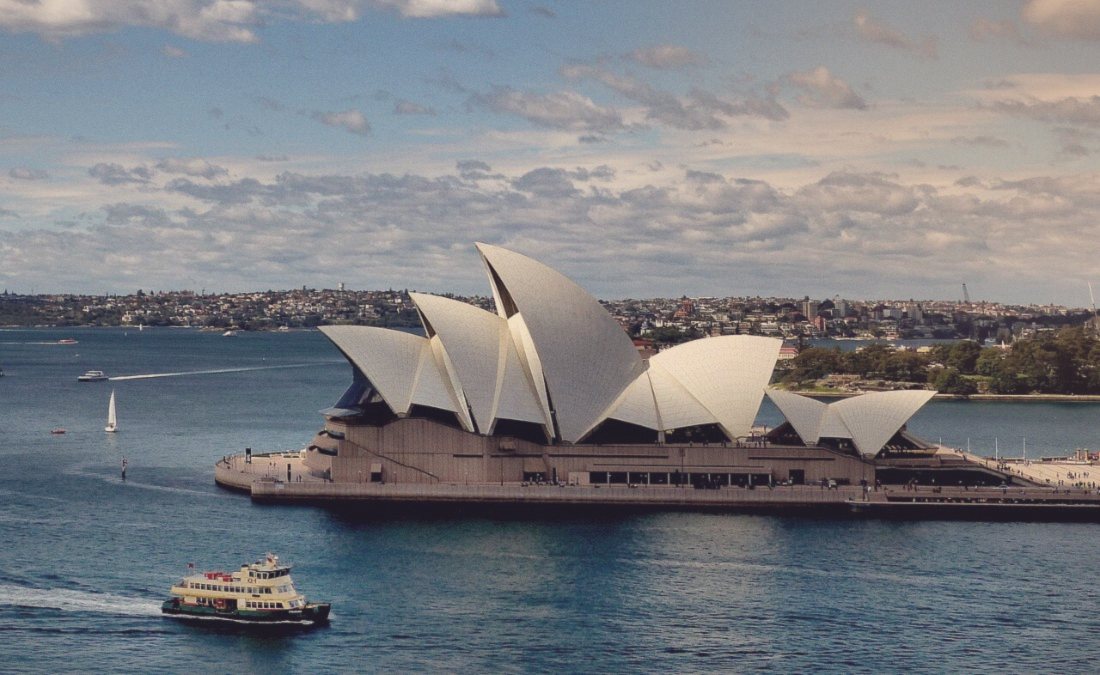
The shells, finished at many times the estimate. Photo: Bernard Spragg, CC0, via Wikimedia Commons.
WIREPHOTO. The shells, finished at many times the estimate. Photo: Bernard Spragg, CC0, via Wikimedia Commons.
Relic No. 007Catalogued

The Bridge That Walked

Site
Millennium Bridge, London
Era
Opened 2000. Reopened 2002.
Material
Steel, 325 metres of it
Intended use
A sleek footbridge for the new millennium
Actual use
A bridge that swayed in step with its walkers
Status
Open, with 89 dampers fitted

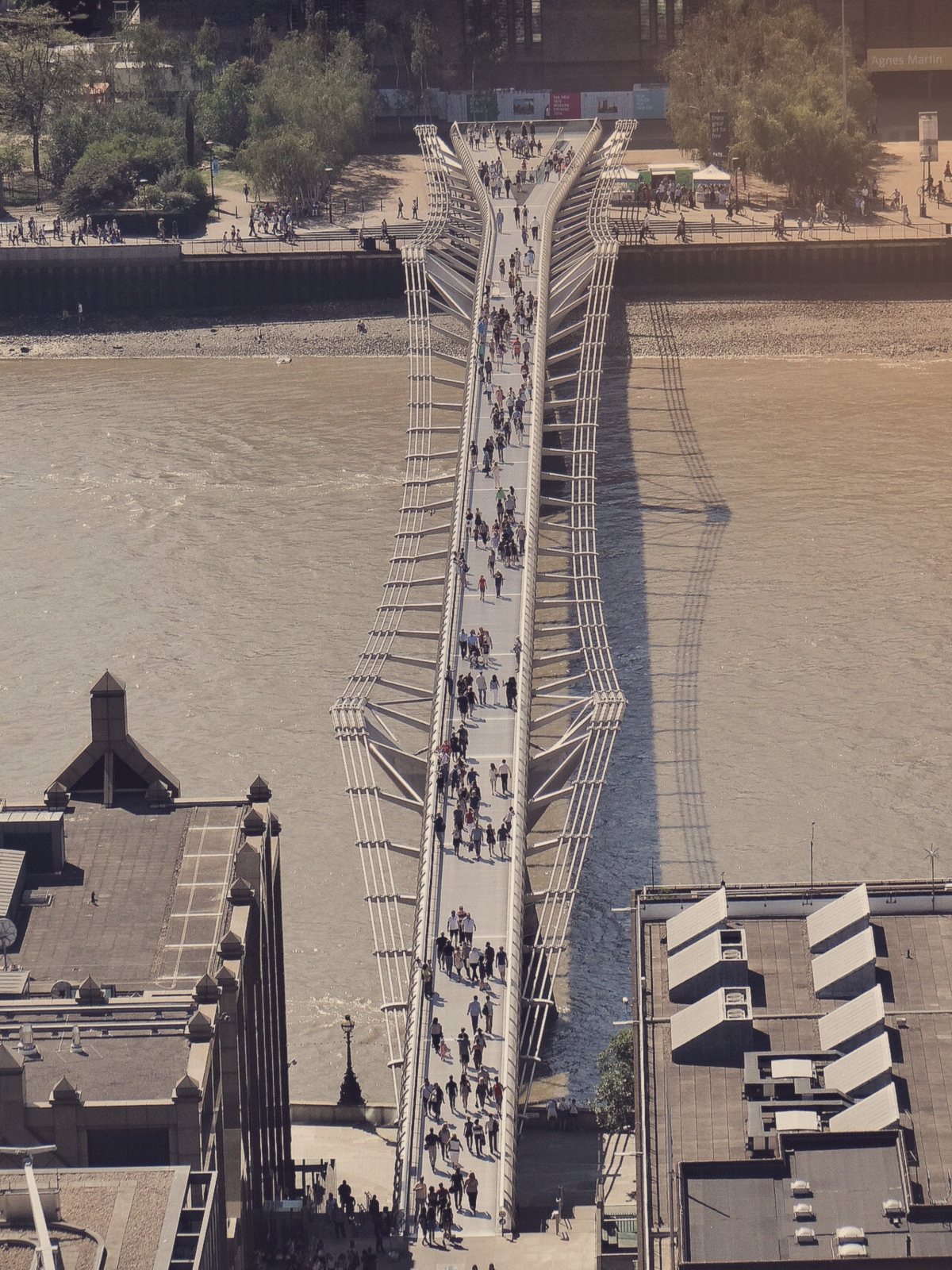
LONDON. Opened 10 June 2000, a month late. Some 90,000 people crossed on the first day. The bridge swayed. The walkers, feeling it sway, fell into step with it, and it swayed more.

Closed two days later. Reopened in February 2002, after £5 million of dampers on an £18.2 million bridge.

Engineers call it synchronous lateral excitation. Monk calls it a crowd.

The Way, it is written, moves in step with all things. The bridge did exactly that, and was closed for it.

Noted.

The bridge, now steady, after two days of swaying in step. Photo: Ibex73, CC BY-SA 4.0, via Wikimedia Commons.
WIREPHOTO. The bridge, now steady, after two days of swaying in step. Photo: Ibex73, CC BY-SA 4.0, via Wikimedia Commons.
Relic No. 006Catalogued

The $699 Squeeze

Site
Juicero, San Francisco
Era
2013 to 2017
Material
Aluminium, Wi-Fi, QR codes
Intended use
A connected juice press
Actual use
A machine matched by two hands
Status
Closed in 2017. Refunds offered.

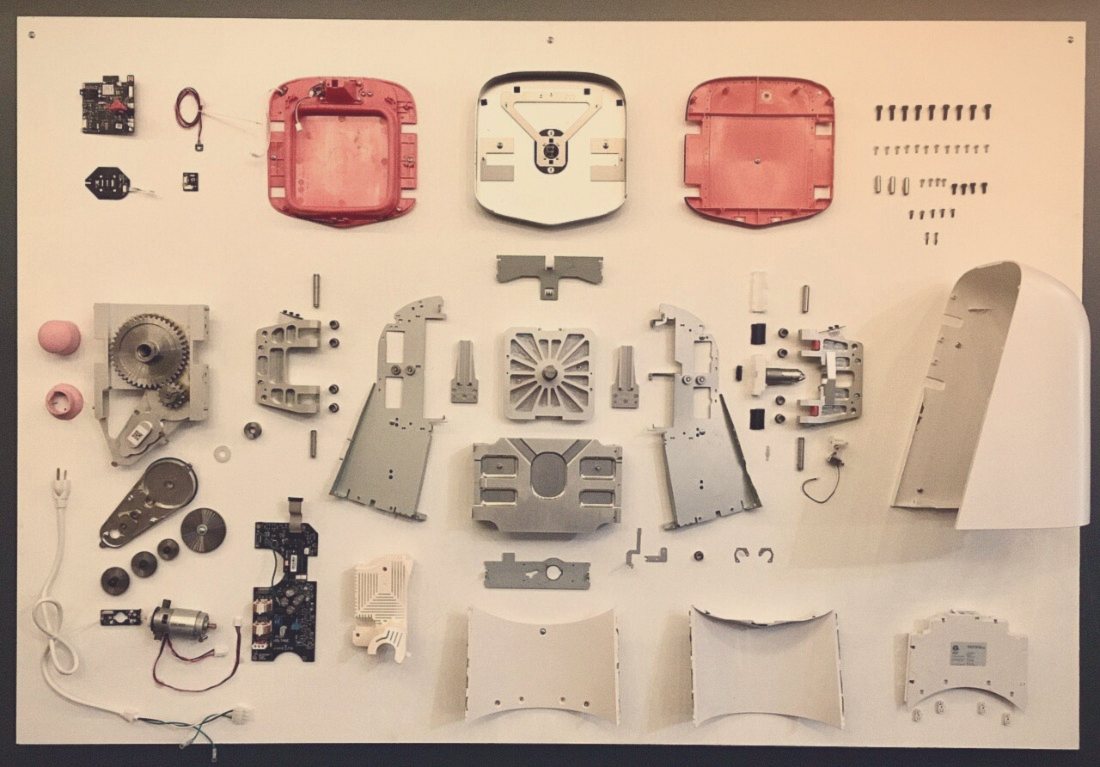
SAN FRANCISCO. Raised $120 million. Launched in 2016 at $699, cut to $399 the next year. It pressed proprietary bags of chopped produce, and scanned each bag’s code before it would agree to.

Then reporters squeezed the bags by hand. The juice was nearly indistinguishable.

Sales stopped in September 2017.

The ancients prized the uncarved block, the thing in its plain state before cleverness arrives. The bag of fruit was already the uncarved block. Someone carved a $699 machine around it.

Noted.

A $699 press, opened up to see what it was doing that hands could not. Photo: Steve Jurvetson, CC BY 2.0, via Wikimedia Commons.
WIREPHOTO. A $699 press, opened up to see what it was doing that hands could not. Photo: Steve Jurvetson, CC BY 2.0, via Wikimedia Commons.
Relic No. 005Catalogued

The City Drawn for Cars

Site
Plano Piloto, Brasília
Era
Built 1956 to 1960
Material
Concrete, superblocks, a very long axis
Intended use
An orderly modernist capital for about 500,000 people
Actual use
A capital where most people live outside the plan
Status
UNESCO World Heritage Site since 1987

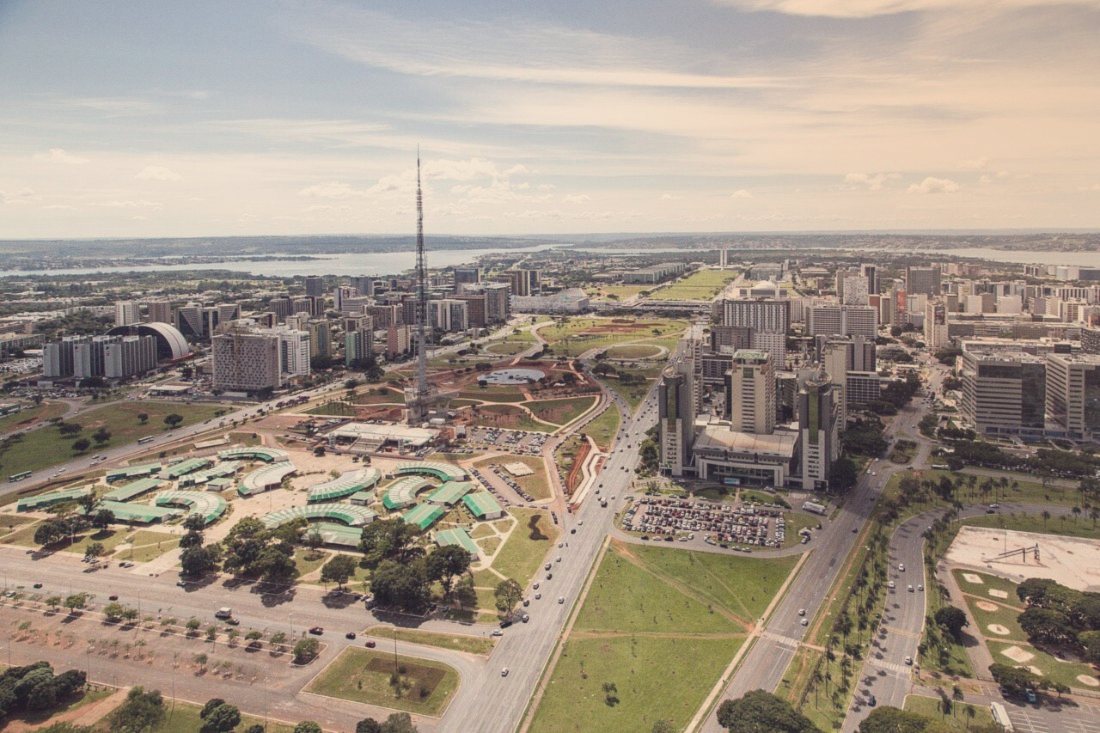
BRASÍLIA. Built in 41 months. Inaugurated 21 April 1960. Laid out in the shape of a bird, or an aeroplane, or a cross, depending on whom one asks.

The plan was for about 500,000 people. The planned core never reached it and today holds about 215,000. By 2000, two satellite towns outside the plan together held more people than the plan itself. The metropolitan area now holds about 3.5 million.

Traffic lights were later added to the great Monumental Axis, which the plan had imagined without them.

A city drawn for the car. The people walked around it.

Noted.

The Monumental Axis, built for cars and seen best from a helicopter. Photo: Governo do Brasil, CC BY 3.0 BR, via Wikimedia Commons.
WIREPHOTO. The Monumental Axis, built for cars and seen best from a helicopter. Photo: Governo do Brasil, CC BY 3.0 BR, via Wikimedia Commons.
Relic No. 004Catalogued

The Hotel Without Guests

Site
Ryugyong Hotel, Pyongyang
Era
Begun 1987
Material
Concrete, glass, patience
Intended use
A luxury hotel
Actual use
The world’s tallest unoccupied building
Status
Unopened. One face now works as a giant screen.

PYONGYANG. Begun 1987. 105 floors. 330 metres. Work stopped in 1992, with the building at full height and nothing inside.

Work resumed in 2008. The glass went on in 2011. A hotel group announced in 2012 that it would run the place, and suspended the plan the following year.

By 2018 one face had become an LED screen showing animations.

The sage, it is written, acts without acting. The Ryugyong has not received a single guest in nearly forty years and is still the most famous hotel in the country. Few have practised non-action so completely.

Noted.

PIX TO FOLLOW. Wirephoto to be sourced from openly licensed archives.
Relic No. 003Catalogued

The Big O

Site
Olympic Stadium, Montreal
Era
Begun 1973. Roof finished 1987.
Material
Prestressed concrete, Kevlar optimism
Intended use
A stadium with a retractable roof
Actual use
A roof that retracted 88 times in its life
Status
A new fixed roof under way, estimated at CA$870 million

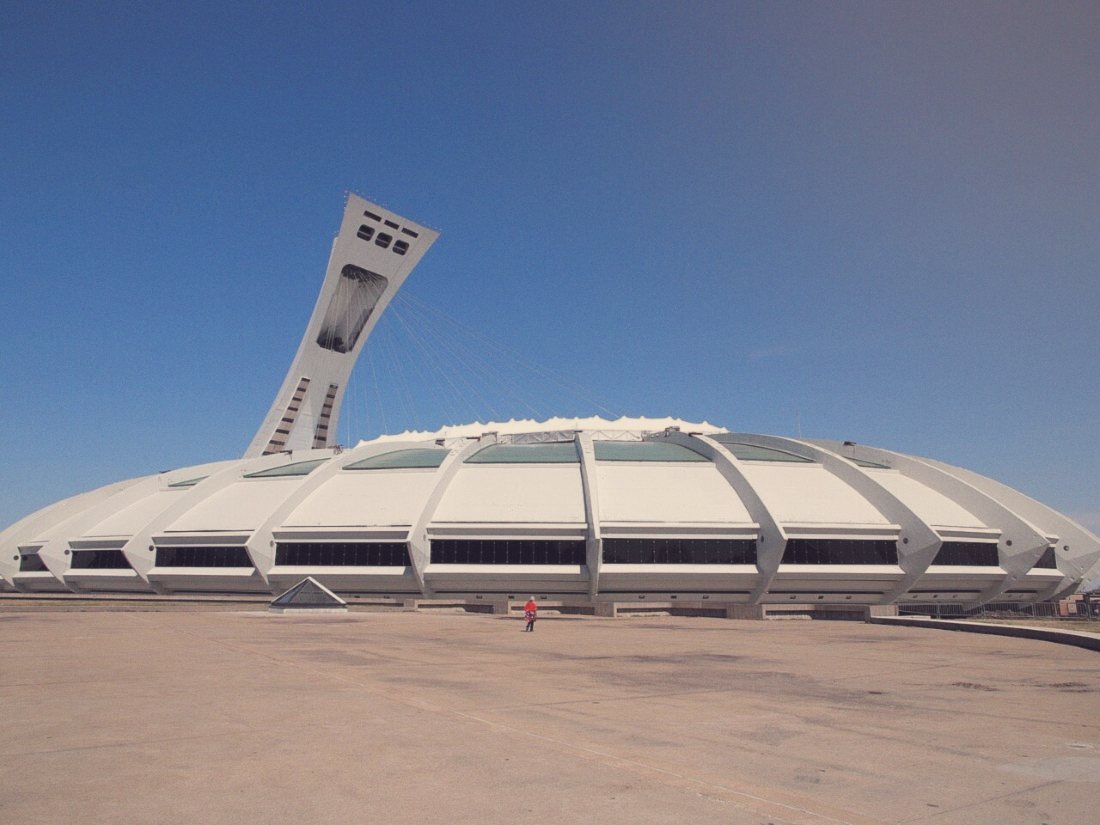
MONTREAL. Begun 1973. Opened, unfinished, for the 1976 Olympics. The 1970 projection was CA$134 million. The bill at opening was CA$1.1 billion.

The retractable roof arrived in 1987, eleven years late. It could not be moved in winds above 40 km/h. In its whole life it was opened and closed 88 times. It came down in 1998.

The fixed roof that replaced it had 7,453 tears by 2017. The debt was paid off in 2006, largely by a special tax on tobacco.

For thirty years a province smoked to pay for a roof that would not open.

Noted.

The stadium and its leaning tower, still paying for itself in patience. Photo: Harrystyle, CC BY 3.0, via Wikimedia Commons.
WIREPHOTO. The stadium and its leaning tower, still paying for itself in patience. Photo: Harrystyle, CC BY 3.0, via Wikimedia Commons.
Relic No. 002Catalogued

The Airport That Waited

Site
Berlin Brandenburg Airport
Era
Due 2011. Opened 2020.
Material
Concrete, ambition, smoke ducts
Intended use
An airport
Actual use
A nine-year retreat
Status
Open. Budgeted at €2.83 billion. Later estimates above €9 billion.

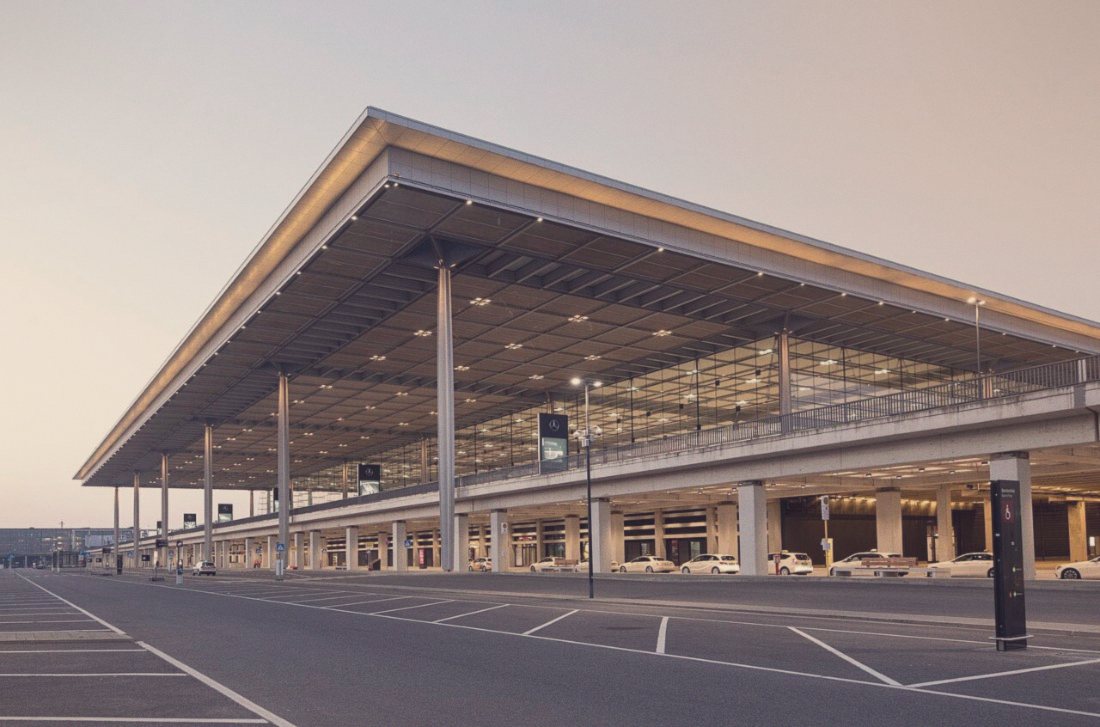
BERLIN. Due October 2011. Then June 2012. Then not at all, for some time. The fire protection system had been built contrary to its permit and failed its acceptance test. Smoke, it emerged, would not go where smoke must go.

The doors stayed shut for eight more years.

Opened 31 October 2020. Nine years late. More than three times the budget. During a pandemic. Nobody was flying.

Patience is a virtue. Berlin has made it infrastructure.

Noted.

Terminal 1, finished nine years late and well past budget. Photo: Arne Müseler, CC BY-SA 3.0 DE, via Wikimedia Commons.
WIREPHOTO. Terminal 1, finished nine years late and well past budget. Photo: Arne Müseler, CC BY-SA 3.0 DE, via Wikimedia Commons.
Relic No. 001Catalogued

The Walkie-Talkie

Site
20 Fenchurch Street, London
Era
2013
Material
Glass, curved toward the sun
Intended use
Offices with a view
Actual use
Solar cooker
Status
Fitted with a sunshade, 2014

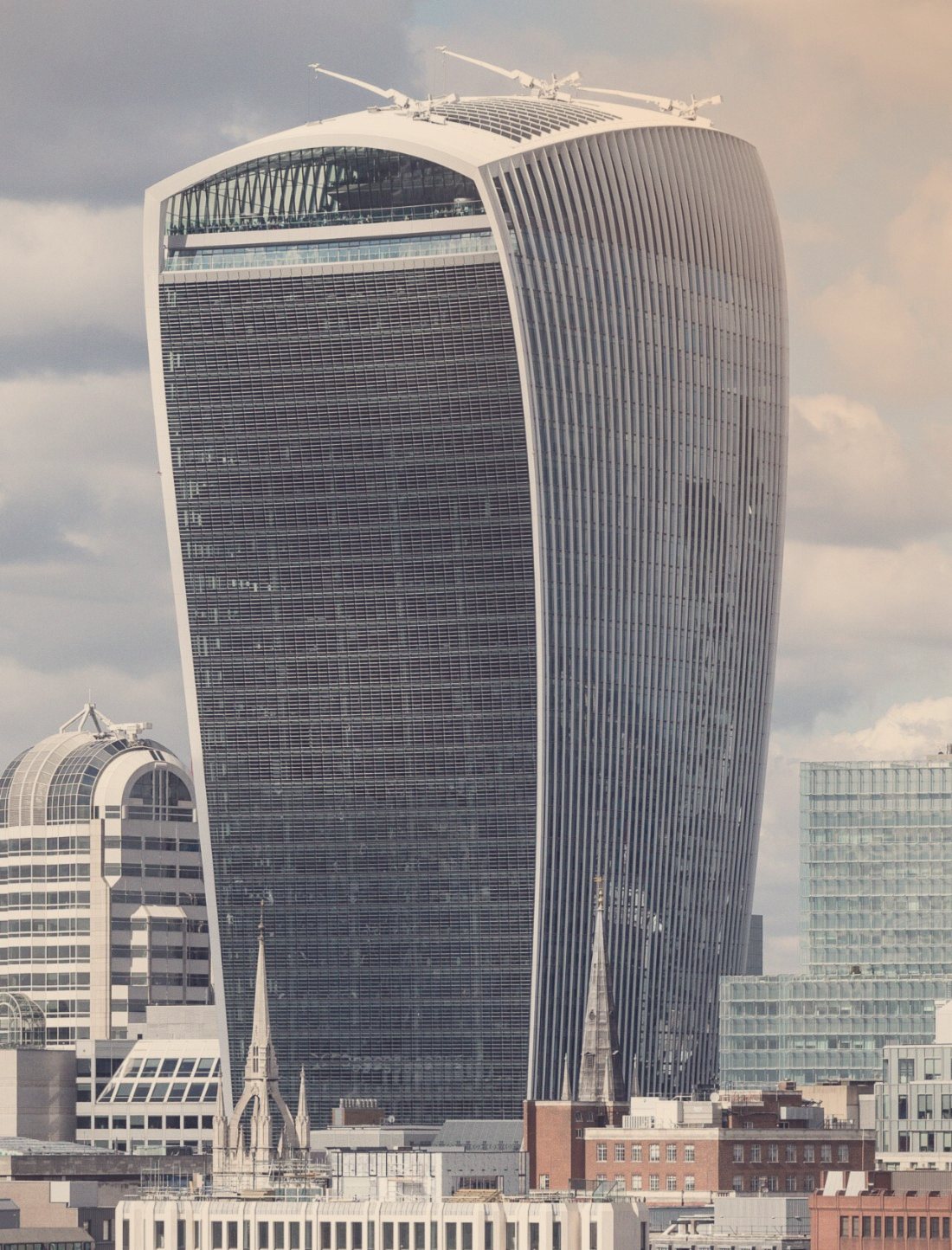
LONDON. Tall. Glass. Concave to the south.

Summer 2013. The sun arrived, as forecast. The facade collected it and delivered it, carefully focused, to one spot on Eastcheap below. A parked car’s bodywork melted. The developers paid the owner £946.

Temporary screens went up that September. A permanent awning followed in 2014.

The sage does nothing, and nothing is left undone. The building did nothing. The car was done.

Noted.

The building that cooked a car, now wearing its sunshade. Photo: Colin, CC BY-SA 4.0, via Wikimedia Commons.
WIREPHOTO. The building that cooked a car, now wearing its sunshade. Photo: Colin, CC BY-SA 4.0, via Wikimedia Commons.