Budgets, grand projects, regulators and ministers’ promises, from Dakar to Dar es Salaam to Rabat. Every state house gets the same treatment.
Monday, November 2, 2026
Johannesburg
Name to Follow
South Africa holds municipal elections on 4 November, and the ANC is “the party delaying mayoral announcements until after the elections,” Daily Maverick reports. Local coalitions rose from 27 in 2016 to 70 by 2021. In a coalition the partners choose the mayor, so the ANC is waiting to hear whom it has nominated.
Kenya’s electoral commission, the IEBC, said on 30 October that every one of the nine people shortlisted for its chief executive post is a Kenyan citizen, as the advert required, Dawan Africa reports. The statement followed questions about the published long list of 304 applicants, which KPMG Kenya screened. Nine names, one rule, every one checked: the commission’s first uncontested tally.
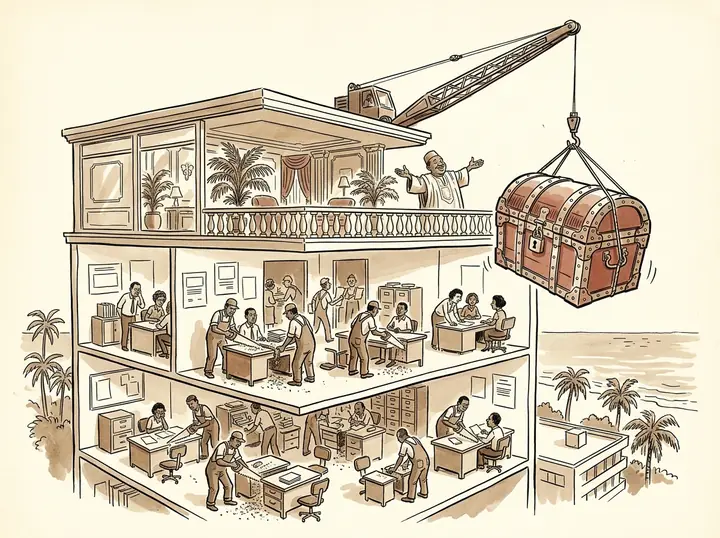
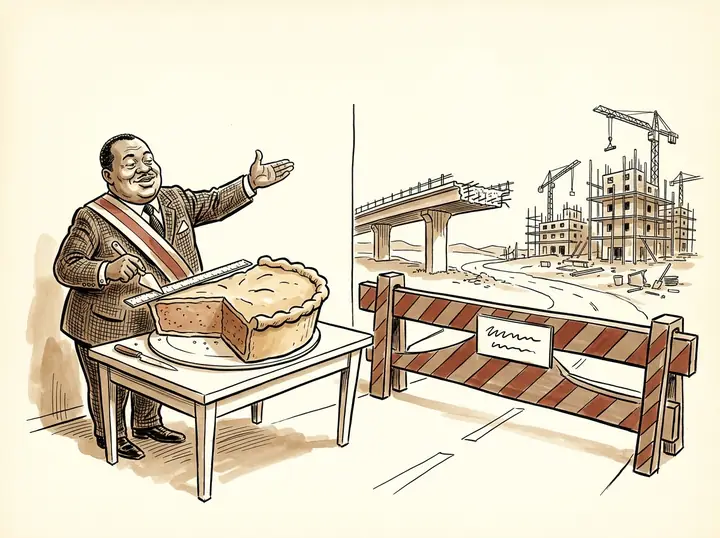
Morocco’s 2027 finance bill, presented to Parliament on 23 October, provides 138.03 billion dirhams in payment appropriations for investment, Les MRE reports. The same bill authorises setting aside 15% of them. The kingdom has budgeted 138 billion dirhams of investment and about 117 billion of conviction.
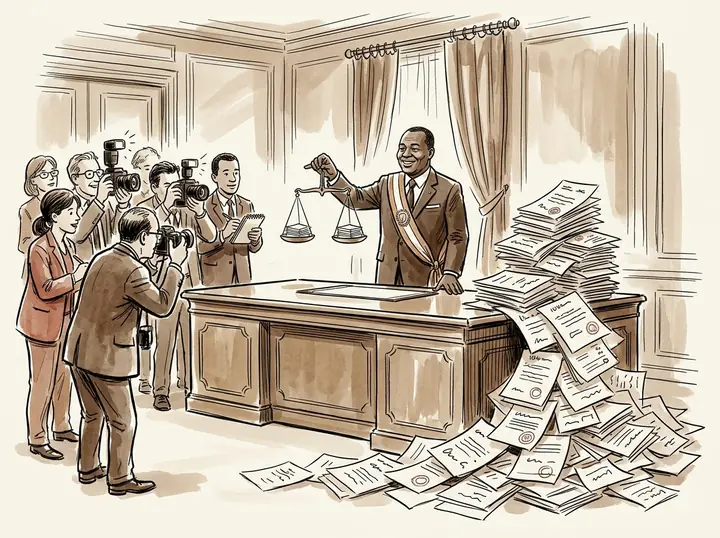
South Africa’s courts ruled on private cannabis use in 2018, and Parliament has since passed the Cannabis for Personal Use Act, Daily Maverick reports. The law is not in operation, because the minister has not promulgated its regulations, which are what would say how much a person may possess. Until then the permitted amount equals the number of regulations published: none.
Kenya’s Treasury told MPs that “spending pressures are very high,” TechTrendsKE reports, after first-quarter revenue grew 14.4% and still fell Sh58.2 billion short of target. Cabinet has nonetheless approved Sh45.5 billion for Kenya Airways and proposed turning Sh122 billion of the airline’s government loans into equity. The state will settle the airline’s debt to it by becoming the airline.
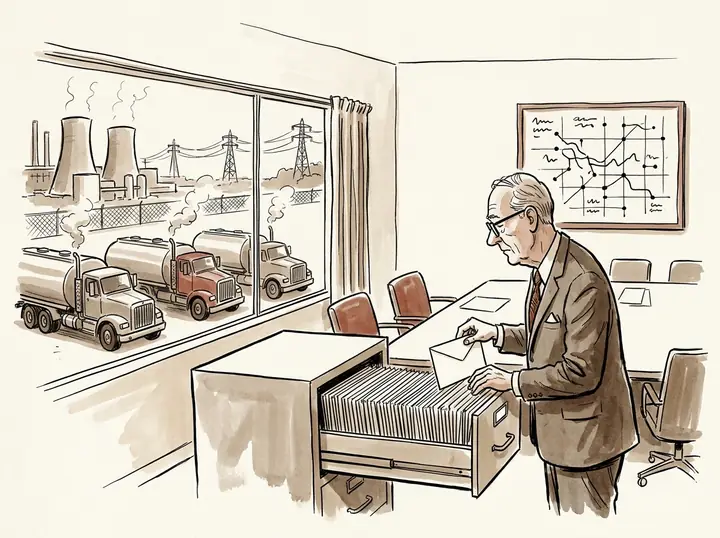
South Africa’s Eskom said on Friday that an independent audit found none of the diesel it paid for missing, after roughly R3 billion went to three suppliers outside contract terms in early 2025, Green Building Africa reports. The utility says substantiated findings are being dealt with through consequence management, but it named no one and set no timelines. The consequences have been managed so carefully that none has yet reached a person.
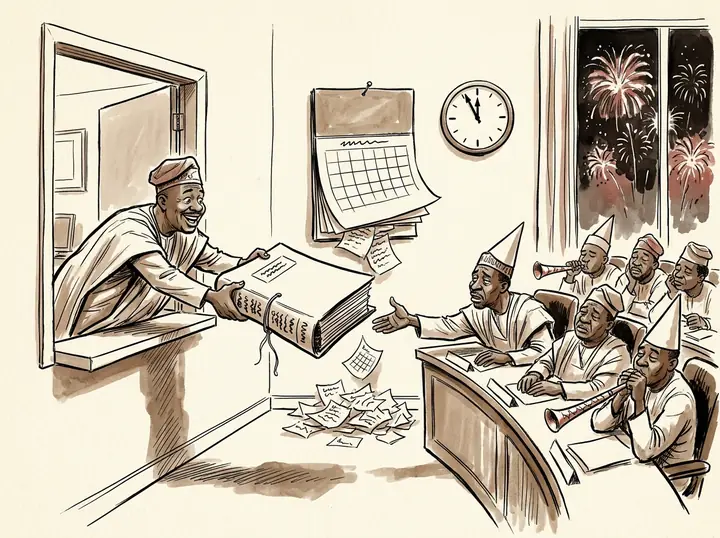
Nigeria’s Federal Executive Council approved N631.3 billion for nine road projects on Wednesday, Premium Times reports, while the 2027 budget is still being written. “Our intention is to present it before the end of the year,” the minister of state for budget said, so lawmakers can start reviewing it before the fiscal year begins. Met to the letter, that lets the National Assembly start on 2027 on the last day of 2026.
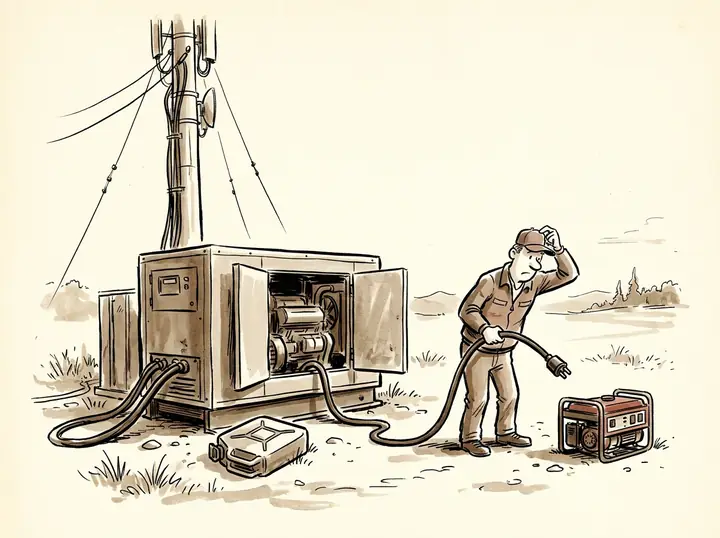
Congo-Brazzaville’s telecoms regulator, ARPCE, said on 27 October that voice, internet and mobile money services were partly or entirely down across the country, allAfrica’s press review reports. The power supply failed, and the backup generators had no diesel to take over with. The networks had a backup for the grid. Nobody had arranged a backup for the backup.
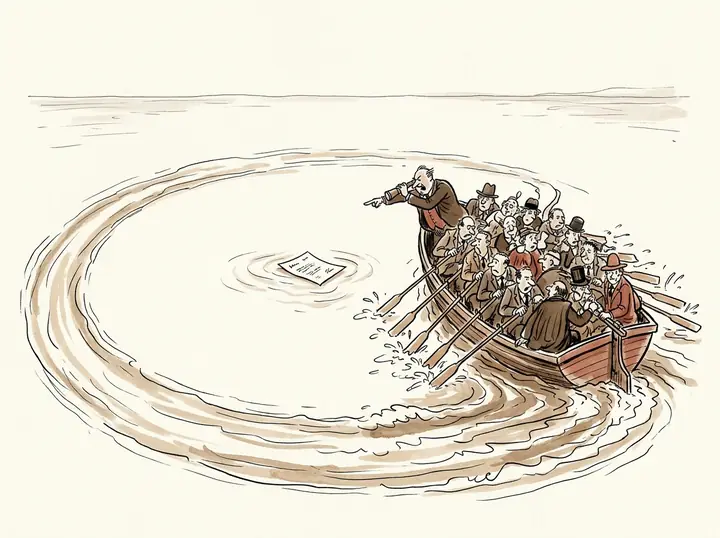
More than 600 parties are contesting South Africa’s municipal elections, EWN reports, 75 of them in Johannesburg, enough to spill over onto several ballot papers. The city has had six mayors since the last municipal vote five years ago. Kept at that pace, the mayoral office could give every party on the Johannesburg ballot a turn by about 2089.
South Africa has dropped to fifth, behind Morocco, in Rand Merchant Bank’s ranking of where to invest in Africa, EWN reports, the only change in the top five. The bank’s head of Africa research would rather say Morocco gained a place than that South Africa lost one. On that arithmetic Morocco went up, nobody went down, and the list still has only five places.
Kenya’s government spent Sh11.72 billion on hospitality in 2025/26, almost double the Sh6.33 billion of the year before, the Controller of Budget reports, according to the Daily Nation. In December 2023 the Treasury banned non-essential lunch, tea and water for civil servants. Either the essential tea has become very expensive, or a great deal of tea has become essential.
South Africa has paid almost R3 million in legal costs for Senzo Mchunu, the police minister on special leave, EWN reports; the acting minister says they were “funded in accordance with State policy.” The police committee’s chairperson, Ian Cameron, wants an end to the “costly arrangement” under which Mchunu’s salary of roughly R3 million is paid while he is at home. The state now spends about as much on the minister’s defence as on his absence.
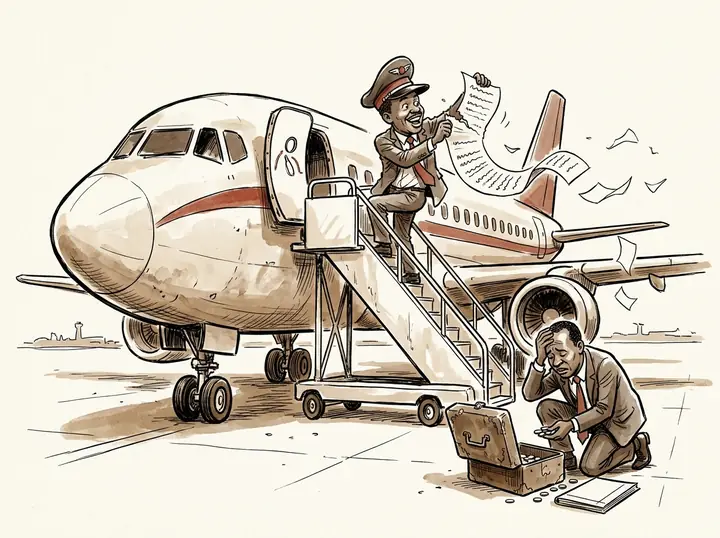
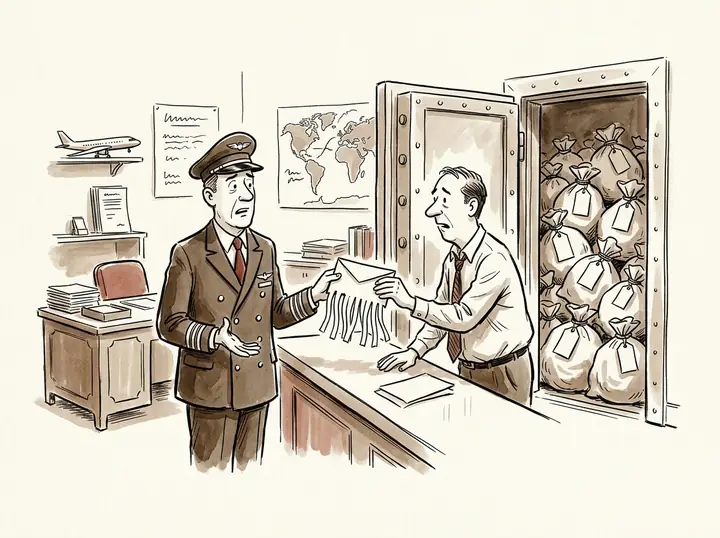
South African Airways has staggered its salary payments for the second month running because of cash-flow pressures, EWN reports, after announcing a headline profit in April. The aviation economist Joachim Vermooten says the airline holds “a lot of cash,” earmarked for other purposes. SAA has a profit, cash and a payroll; it cannot get all three into the same month.
South Africa’s Electoral Commission is printing 6.6 million extra ballot papers after the Constitutional Court reinstated 181 ANC candidates, EWN reports. Four polls predict hung councils in Johannesburg and Tshwane and a significant decline in ANC support there. That is about 36,000 new ballots for each reinstated candidate, in cities where the polls expect the party to need fewer of them.
South Africa’s President Cyril Ramaphosa is considering a report into why Iran’s navy took part in January’s BRICS exercise off the western coast, against his instruction that Iran should only observe, EWN reports. The panel began in February. “Due to national security considerations,” the Presidency says, its work and report remain confidential. Iran was limited to observing the drill; the public has been limited to observing the report.
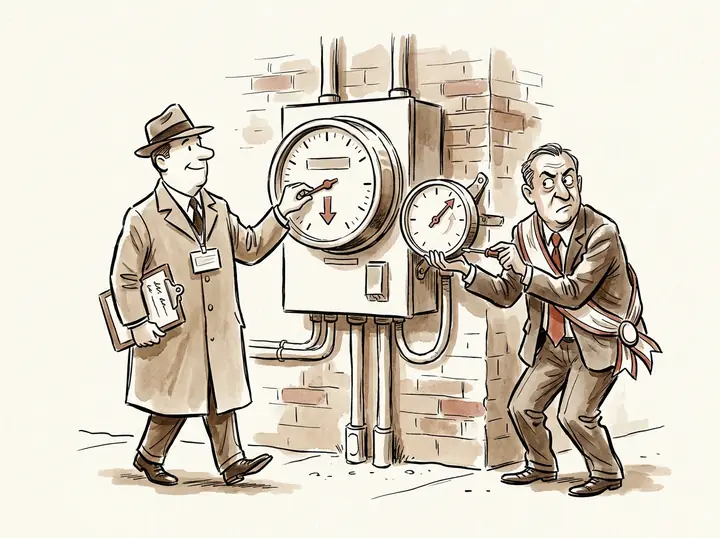
South Africa’s GOOD party says Cape Town added an amount to its approved 2025/26 electricity tariff, quoting the city’s own budget: it was “to compensate for the NERSA decision to reduce the City’s regulated tariffs.” NERSA had allowed 12.80%, not the 14.50% sought. The city calls the claim false. If the party has read the budget right, residents paid the regulator’s price plus a fee for having been regulated.
Senegal’s prime minister on Sunday defended a supplementary budget that the National Assembly’s finance committee had rejected, with revenue 340 billion CFA francs short. Among the cuts were 143 billion in disbursements that partners had suspended. When a disbursement’s conditions are not met, he said, it is better to assign it “à d’autres dépenses.” The money that is not coming has been given new things to pay for.
Mauritius gathered 2,638 proposals at its education consultation in April 2025, and the Blueprint drawn from them reportedly went to the Prime Minister’s Office in August, L’Express reports. It is still not public. On 20 October the education minister, Mahend Gungapersad, said it would be presented soon. Eighteen months on, the one piece of the reform anybody has seen is the word “soon”.
In an interview with Daily Maverick, Enoch Godongwana, who runs South Africa’s Treasury, said investment grade is “within reach, and I think by 2028 we will have reached that goal.” All three agencies still rate it two notches below. Its 10-year bond now yields 8.72%; investment-grade Mexico’s yields around 9.30%. Lenders have already moved South Africa past an investment-grade country; the agencies have pencilled it in for 2028.
South Africa’s Presidency took its website down on 23 October, saying it was “temporarily unavailable as a precautionary measure in response to a global cybersecurity event”: two critical flaws in PHP, flagged by the FBI two days earlier. Hours later the address still showed “This site can’t be reached.” The FBI offered two remedies: update PHP, or take the system offline. Pretoria picked the one that needs no technician.
Libya’s eastern House of Representatives, based in Tobruk, on Tuesday unanimously approved the 2019 maritime memorandum between Turkey and the Tripoli government. In 2020 the same parliament rejected the deal and called for cutting ties with Ankara; both resolutions are now repealed. The memorandum has not changed a comma in seven years. It simply waited for the parliament to sail round to it.
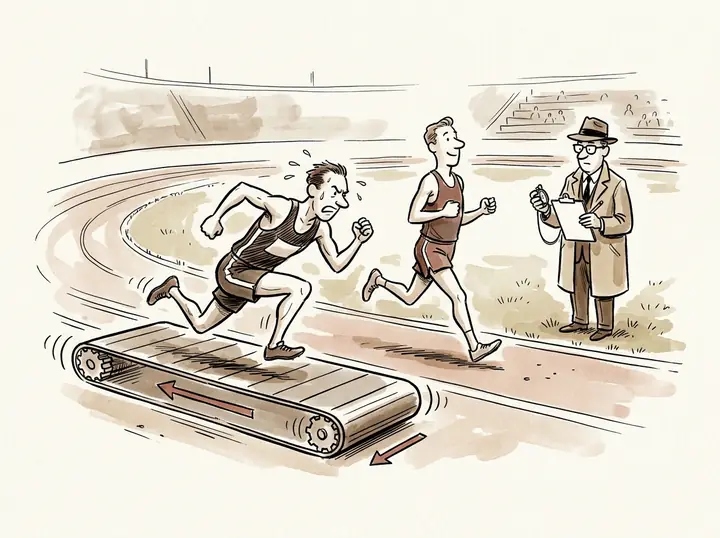
Ghana is set to overtake Ethiopia as Africa’s eighth-largest economy, Addis Standard reports from the IMF’s October World Economic Outlook, at US$128.64 billion against US$127.15 billion. Ethiopia is forecast to grow 9.2% this year and Ghana 5.7%, but the birr has depreciated since the July 2024 currency reforms. On those growth rates Ethiopia retakes eighth place in about four months, provided the birr can be persuaded to sit still.
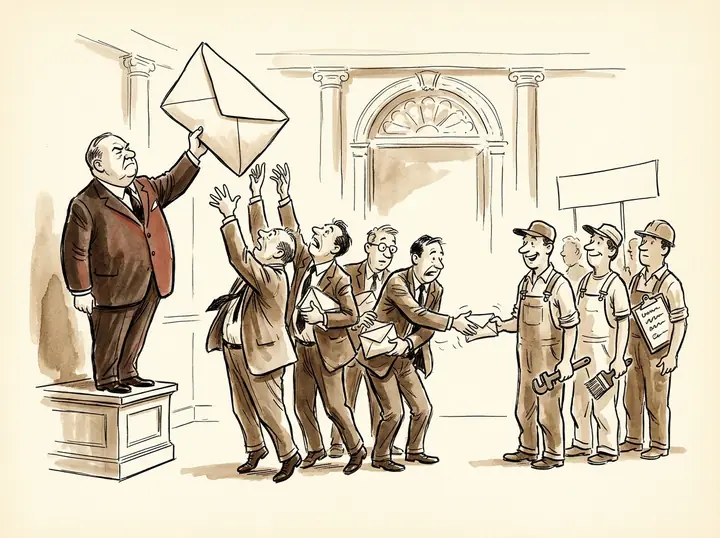
South Africa’s finance minister told Parliament in the medium-term budget that he had suspended the next equitable share transfer to 69 municipalities that “persistently failed to pay all creditors,” according to the speech published by EWN. By the end of July, 37 had concluded repayment plans and R4.2 billion had reached creditors. The Treasury has found that the quickest way to get a municipality to pay is to stop paying it.
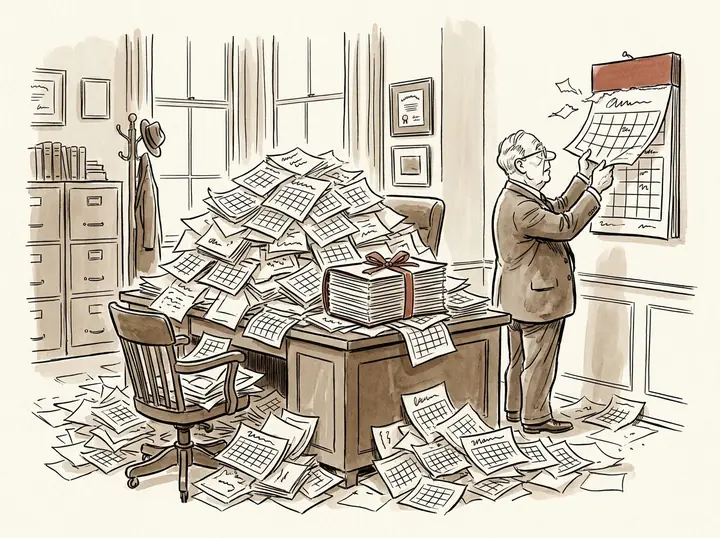
Kenya’s Treasury says that “by next week the bill should be ready” to exempt workers earning up to Ksh.32,333 a month from income tax, Citizen Digital reports. In February, Cabinet Secretary Mbadi said “I am not even waiting for the Finance Bill to come in June.” In October the Treasury is waiting for next week, a date with the administrative advantage of always being seven days off.
Nigeria’s foreign ministry has not responded to calls and messages about the country’s passport rankings, Leadership reports. IziVisa now counts 24 destinations open visa-free to Nigerian passport holders; the Henley index counted 44 in July, though the paper concedes the two are measured differently. Silence, at least, enters every country visa-free.
South Africa’s revenue service has been granted a R6.9 billion special appropriation to modernise, including automating VAT assessments, EWN reports. Commissioner Johnstone Makhubu expects SARS to receive between R4 billion and R4.5 billion of it, and is negotiating with the Treasury to roll some into next year. For once, SARS is the party accepting less than the assessment and asking for more time.
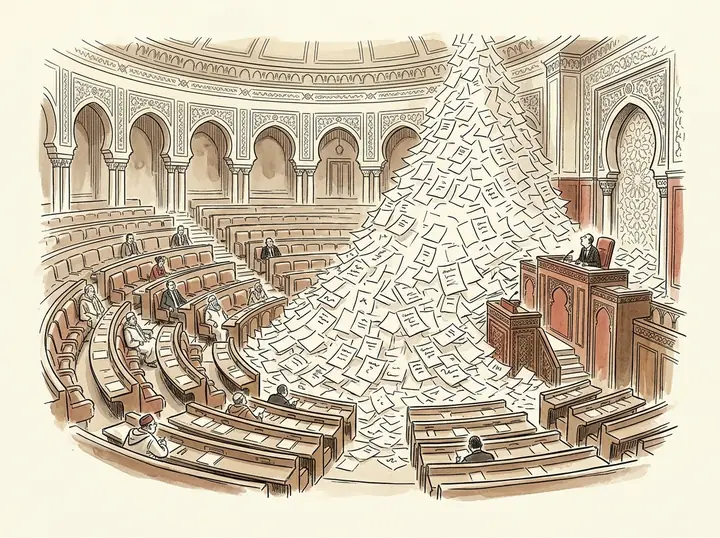
Morocco’s outgoing House of Representatives approved 237 of the government’s 484 draft laws over its 2021 to 2026 term, Hespress reports, citing the monitor SimSim-Participation Citoyenne. Lawmakers passed 18 of their own 483 proposals. Only 46 of the 395 members attended the vote on draft law No. 03.25, on collective investment undertakings in transferable securities. The House undertook it at 11.65%.
Ethiopia could lose up to $453 million in coffee exports under the EU’s deforestation rules because every plot must be geolocated, an ODI Global study estimates. Some 4 million smallholders grow 95% of the crop. Mapping a plot costs $4 to $7; verifying the map costs $5 to $12. That is a great deal of paper for a rule about saving trees.
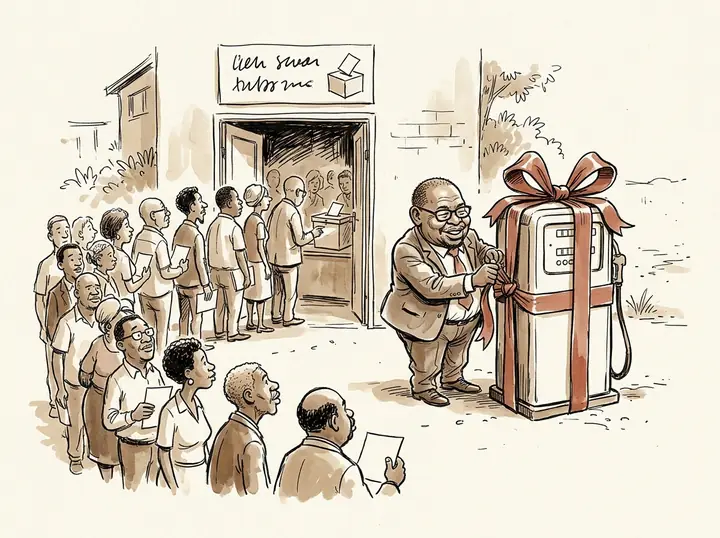
In his mini-budget, South Africa’s Enoch Godongwana has cut the fuel levy by R3 a litre for diesel and R1.50 for petrol, from 4 November to 1 December. Municipal elections fall on 4 November; the EFF called the cut “an election manoeuvre”. The Treasury ties the relief to high fuel prices. Of every date the oil price might have chosen, it chose polling day.
Namibia and Angola opened the first session of their joint commission in Luanda, with the N$25 billion Baynes hydropower plant on the agenda and no start date. The agreement creating the commission was signed in July 2019. Angola’s foreign minister says “more than 60 legal instruments” already support cooperation, while trade stays below potential. Sixty instruments, and on Monday the orchestra finally sat down.
Ethiopia’s IMF quota, which sets its say in the fund, is SDR 300.7 million and its four-year loan is SDR 2.556 billion, according to the Rio Times. The fund is weighing a new quota formula, and its Africa chief, Zeine Zeidane, said Ethiopia would likely be “one of those benefiting.” The fund lends to Ethiopia at eight and a half times its quota and listens at one.
South Africa’s finance minister, Enoch Godongwana, tables his medium-term budget today, and the Treasury has said it is preparing “a fiscal anchor based on principles rather than on numerical rules”, the Rio Times reports. The Treasury’s Duncan Pieterse has argued that numerical debt targets are often broken and so lack credibility. No finance minister in history has missed a target without a bullseye.
Ghana’s Revenue Authority told Parliament it has recovered GH¢1.3 billion of about GH¢1.4 billion in VAT owed by the Electricity Company of Ghana. ECG says it remits VAT only on what it manages to collect, though the tax is printed on every customer’s receipt. The utility has passed its collection rate on to the taxman, the one thing on the bill it reliably passes on.
South Africa’s Durban Gateway Terminal, run by Transnet and the Philippines-based ICTSI, has struggled since a switch to Navis software in mid-August, and freight forwarders put cargo delays at 18 to 21 days, Daily Maverick reports. Its truck appointment system is now being replaced by a platform called Navigate. After two months lost in Navis, the port is upgrading to the edition with directions.
Kenya has begun a physical headcount of civil servants after an audit flagged about KSh6.2 billion in suspected payroll irregularities, ghost workers included. A Ministry of Education memo summons everyone on the payroll to Jogoo House this week, even staff on leave or in hospital, with original ID and appointment letters. The ministry has asked its ghosts to report in person, with their papers.
The Bank of Uganda raised its central bank rate from 9.75% to 12% at a special meeting on 14 October, citing a weaker shilling and dearer oil. Economist Fred Muhumuza blames government borrowing and says the hike gives “a panadol to a symptom”. On his diagnosis, high-paying government paper is part of the illness, so the panadol also raises the return on it.
Liberia’s mines and energy ministry has launched Liberia 2026, an international mining and energy conference and expo, with Minister R. Matenokay Tingban calling it “more than a conference and exhibition”. It must be measured, he said, “not only by the quality of discussion, but by the investment it attracts”. The launch named no investment target, which leaves the discussion comfortably in the lead.
South Africa’s ten-year bond yield has fallen about 20 basis points in a year, to roughly 8.90%, Daily Maverick reports before Wednesday’s medium-term budget, while America’s has risen about 120, to around 5.22%. All three big rating agencies still place South Africa two notches below investment grade. At that pace Pretoria borrows more cheaply than Washington some time in 2029, still officially junk.
Nigeria’s Auditor-General reports that the National Cash Transfer Office cannot identify the recipients of ₦33.75 billion it sent in 2023 to 3,295,207 households and beneficiaries, and that its accounts staff “obstructed and denied” efforts to check. The office answered none of eight audit queries. Unable to identify 3.3 million recipients, it now plans to reach 15 million.
Eskom told South Africa’s parliamentary appropriations committee on 13 October that it wants tariffs to rise 8.83% for its direct customers and 8.84% for municipalities from April 2027, subject to the regulator. Municipalities owed it R122.5 billion in August, and payment arrangements with defaulting metros will take several years to implement. The municipalities get the higher rate, in the sense that they will owe it.
Kenya’s energy regulator, EPRA, has raised Nairobi kerosene by KSh 28.49 a litre to KSh 219.87 until 14 November. Its director general called September “the worst month ever since this war broke out,” then declined to apply price stabilisation this cycle, so the savings can be used “if the prices were to go burst.” The worst month on record did not qualify as an emergency.
Johannesburg’s deputy mayor and finance chief, Loyiso Masuku, has promised a “culture shift” if the ANC makes her its candidate for the 4 November elections. The city now collects 86% of what it bills, down from 88.6%, and loses more than 40% of its water. “Once we bill, we must collect what we bill,” she said. The candidate has found an opponent: the finance department.
South Africa’s trade union federation, Cosatu, wants the government to ban Shein and Temu, citing a study that put up to 34,000 local jobs at risk by 2030. Since the revenue service ended tax exemptions on imports under R500 in 2025, Shein’s growth has slowed to 11% and Temu’s sales have fallen 42% a month on average. The tax office has already done most of the banning.
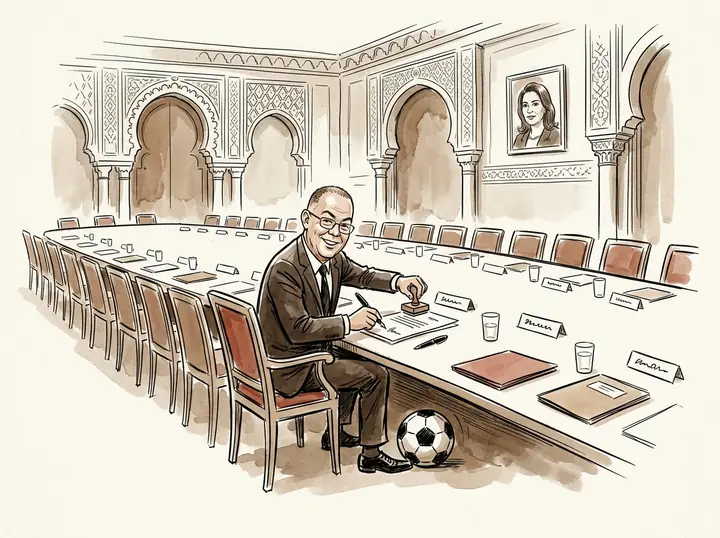
Morocco’s new government, led by Fatima El Mansouri, the country’s first woman prime minister, has been sworn in. Its economy and finance minister is Fouzi Lekjaa, who is also head of the football federation, and the cabinet will oversee the last stages of a $20 billion push for the 2030 World Cup. Budget talks with the federation should be brief.
Ghana’s banks began collecting 20 percent on Netflix, Spotify, ChatGPT and other foreign digital subscriptions paid with local cards on 15 October: 15 percent VAT plus two levies of 2.5 percent each, passed to the Ghana Revenue Authority. A GH¢1,000 subscription now costs GH¢1,200. The rollout, the report explains, “does not introduce a new tax on digital services.” It merely introduces the tax to the subscribers.
South African Water Polo, founded last year, says it has 2,052 active players and has asked World Aquatics to let it run the sport instead of Swimming South Africa, which it says has fewer than 100; a former SSA president once told Parliament it never had more than 130. The newcomer logged 34 messages over 291 days before the two first met. The game is played in the water. The governing, for now, is done by treading it.
South Africa’s electricity minister told Parliament that Emalahleni municipality owes Eskom R13.6 billion in arrears, the utility’s largest municipal debt. Seventy-one municipalities are in the Treasury’s debt relief programme; ten of them pay their current bills in full each month. Eskom projects municipal debt could reach R358 billion by 2031. The programme has, at least, brought relief to the other sixty-one.
The Zambezi River Authority has cut the water allocated for power from Lake Kariba to 23 billion cubic metres for 2027, from 36 billion this year, and expects the lake to end 2027 at 9 percent live storage. Zambia has 1,027.5 megawatts of solar installed and a target of 10,000 by 2031. Ten times the panels in five years, or a great many candles.
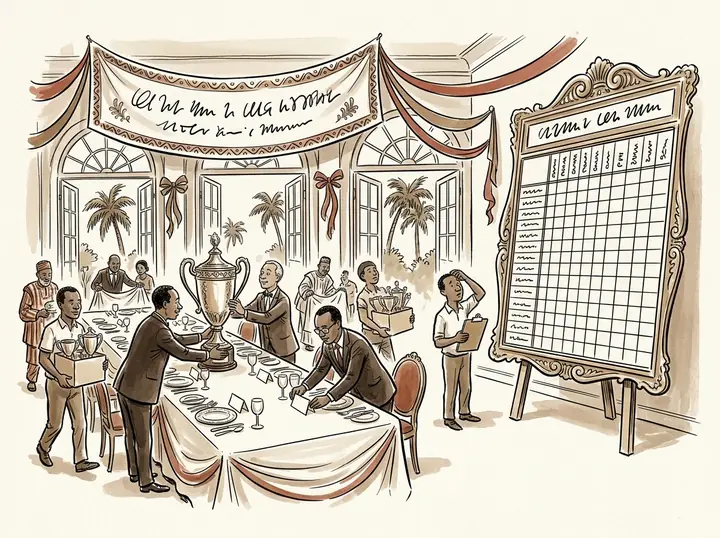
Liberia’s president has declared October Governance Month, with a National Integrity Index, a Governance Barometer and Citizen Scorecards, to move “beyond general declarations of good governance.” The pilot report gives no scores yet. Its next stated step is a dinner on 30 October to honour the best-performing institutions. The ranking is pending. The table for the winners is booked.
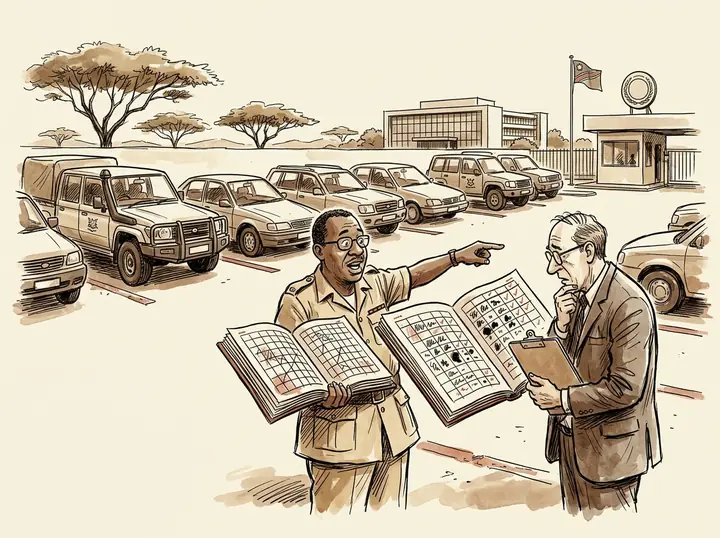
Namibia’s auditors flagged 53 government vehicles worth N$35.5 million. The works ministry says only six were its own, and that “the vehicles were recorded in a different register and were not missing.” It adds that “permanently allocated vehicles are not required to appear in that register.” Nothing is lost; it is merely recorded elsewhere, or not required to be.
Côte d’Ivoire’s 2027 budget is “balanced in resources and charges” at 18,466.1 billion CFA francs, up 6.4 percent, and forecasts a deficit of 3.5 percent of GDP. It also sets aside 70 billion for studies. A budget balanced and in deficit at the same time: the studies will not lack for material.
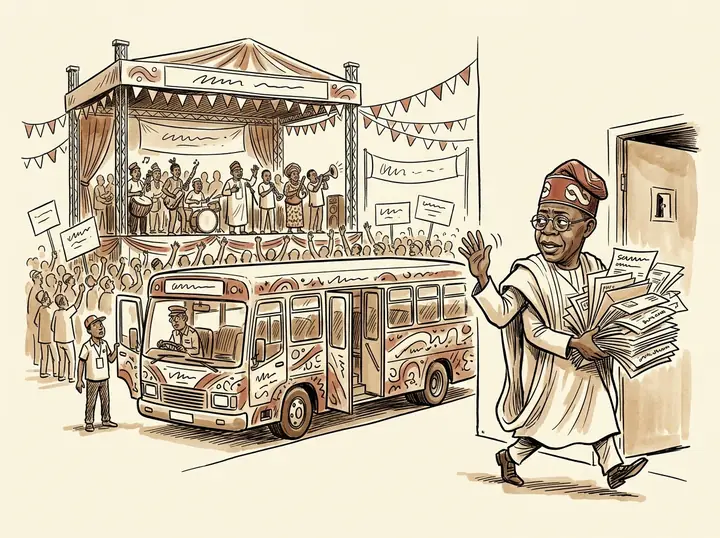
Nigeria’s President Bola Tinubu inaugurated his re-election campaign council at the State House in Abuja on 14 October and excused himself from much of the touring. “The job must go on. We have bills to pay. The American creditors cannot wait,” he said. A campaign launched with the candidate’s apologies is at least frank about the itinerary.
Senegal’s 2027 budget cuts total spending by 2.9 percent and the National Assembly’s credits by 1.2 billion CFA francs, while the Presidency’s rise from 204.5 billion to 223.8 billion, carried by an intergenerational fund that grows from 7.6 billion to 39.7 billion. Debt repayments of 4,552 billion are the largest thing to finance. Austerity has reached every floor of the state but one.
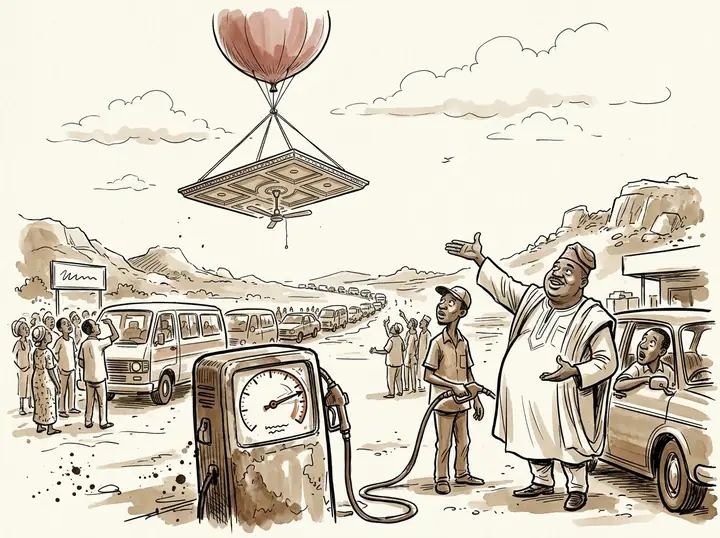
Nigeria’s finance minister said the state oil company’s stations would sell petrol at cost for 30 days, under a ₦1,350 ceiling he stressed was “not a fixed nationwide pump price.” In Jos, those stations charged ₦1,420 a litre. The ceiling exists. It has simply been installed somewhere above the pumps.
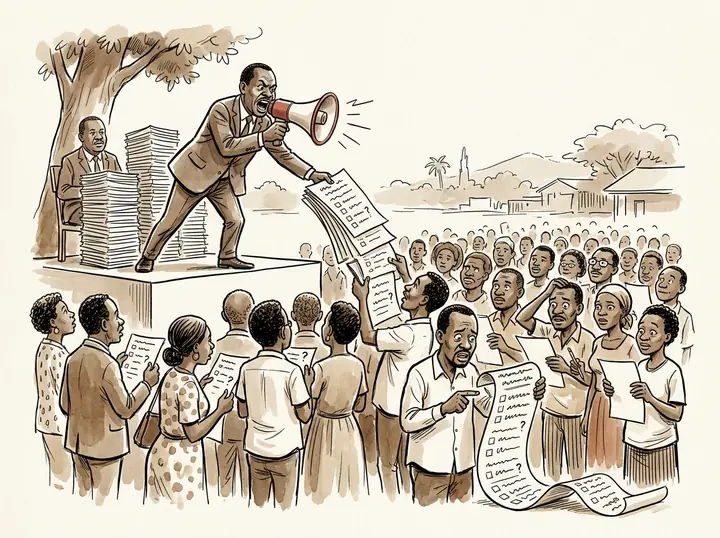
Uganda’s new National Communication Policy, launched in Kampala, targets “fragmented government messaging, misinformation and delays” and requires agencies to “measure whether citizens understand the messages they receive.” Government communication will now come with a quiz. The citizens, for once, get to mark the government.
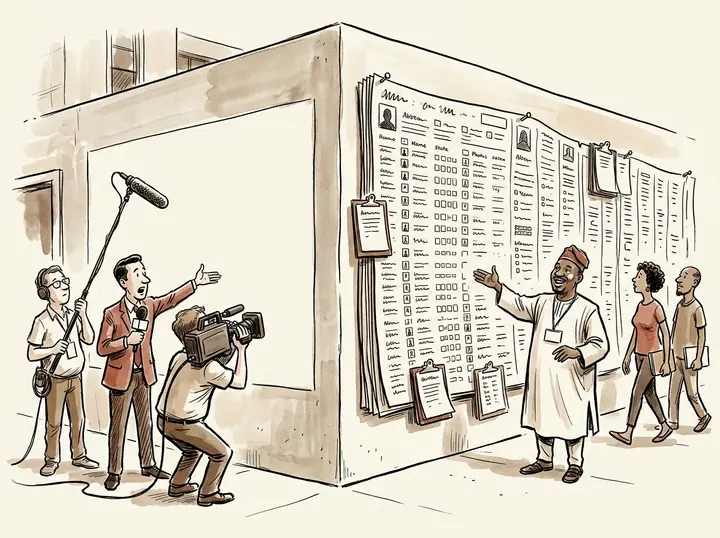
Nigeria’s electoral commission in Lagos called “false” a broadcaster’s report that the voter register was missing at some centres, and insisted it was displayed in all 245 registration areas. It added a reminder that “responsible journalism and accurate reporting are essential to preventing the spread of misinformation.” The register, voters are assured, can be seen everywhere by everyone except the camera crew.
Mozambique’s transport minister told his ministry’s coordinating council, meeting in Macaneta, that the national airline’s overhaul cannot become “an endless process of assessments and meetings.” He asked for “concrete solutions, defined deadlines and verifiable results.” No deadlines were announced. The meeting on ending meetings has been held; the next one is presumably in the diary.
Morocco’s cannabis regulator has revoked 1,490 licences, nearly 1,300 of them held by growers, for “noncompliance with applicable procedures and regulations.” In the same announcement it reported that its logo is now protected in Luxembourg and Portugal. The regulator’s one fully compliant asset is its logo.
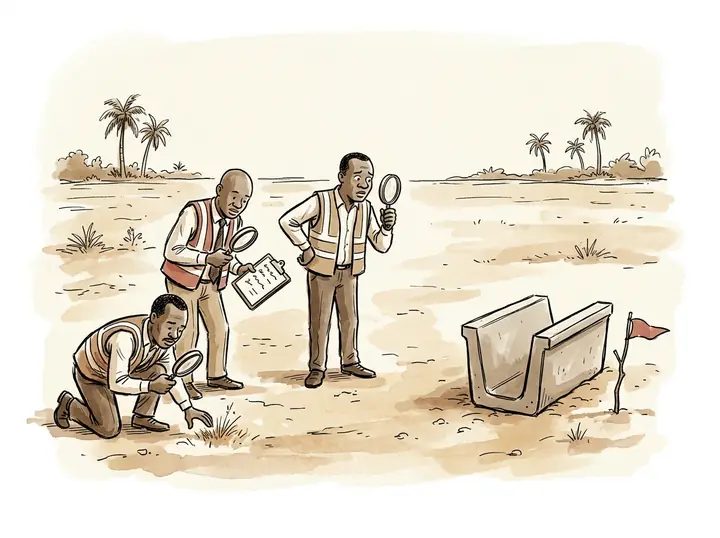
Ghana’s oil revenue watchdog could not verify four Accra projects worth about GH¢21 million. It did find one U-drain. The drain is holding the fort alone.
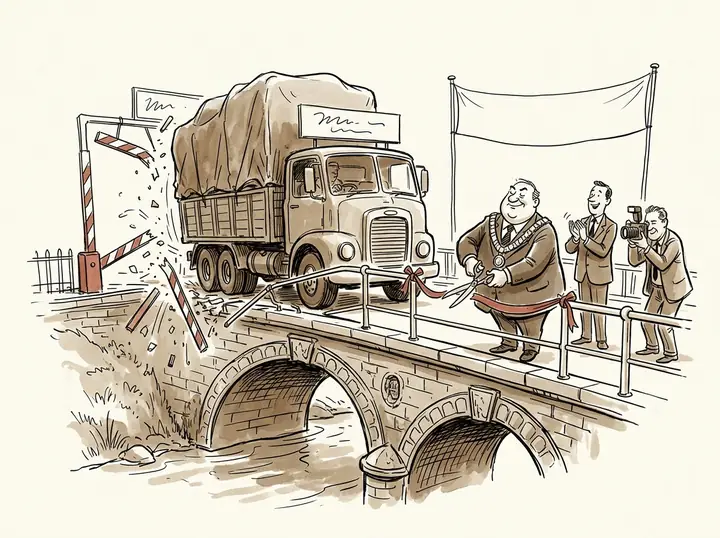
Nelson Mandela Bay says it spent R2.4 million upgrading the Smartie Bridge, built in 1879 with a five-tonne limit. The new plastic height restrictors have been destroyed, trucks still cross, and the guardrail runs along one side of the pavement only. A council report on the spending is due after the 4 November election. The accounting, like the trucks, will arrive later.
Kampala runs more than 100 air-quality monitors, and Harare has sent a delegation to learn how. The city holds 1.7 million people at night and 3.5 million by day. The air, the monitors show, commutes too.
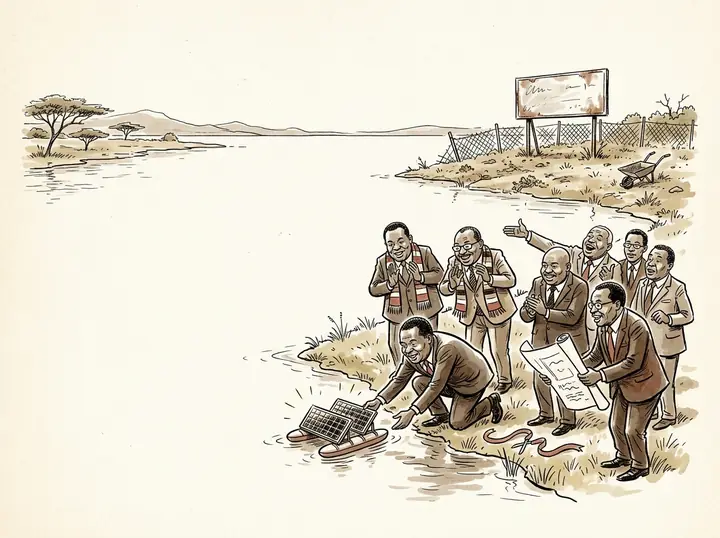
Zimbabwe’s cabinet has approved a 600-megawatt floating solar plant on Lake Kariba, at US$650 million, now “preparing for the implementation phase.” The 100-megawatt Gwanda solar plant was approved in 2015, and the state power company paid US$5 million upfront in 2016; there has been no meaningful progress since. Zimbabwe’s solar programme generates approvals at a remarkable rate.
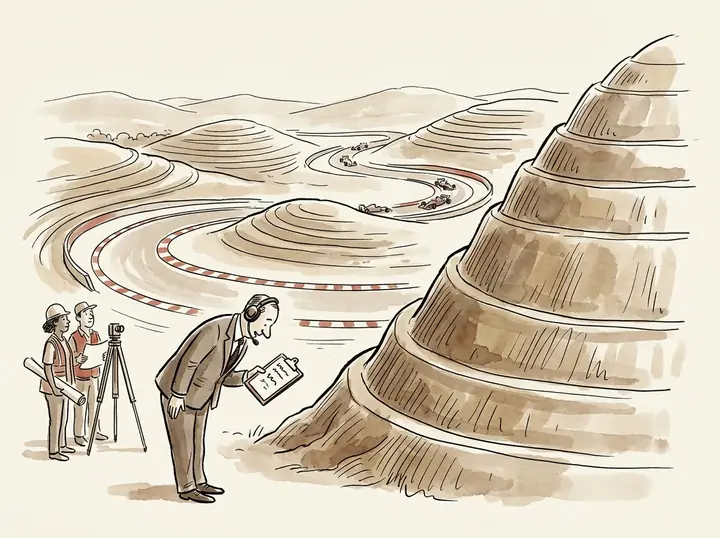
Rwanda is to host Formula 1 in the early 2030s, the first race in Africa since 1993. The track at Bugesera follows the terrain. A circuit that asked the hills first is rarer than a fast lap.
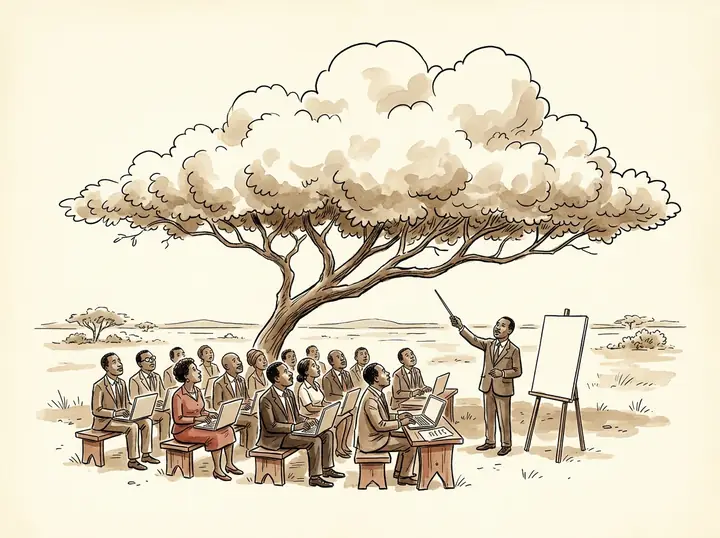
In Kenya, 1,239 public officers have graduated in AI and digital government. The community classes that follow will be called Under the Tree. The monk is pleased to report that the tree was the first cloud.
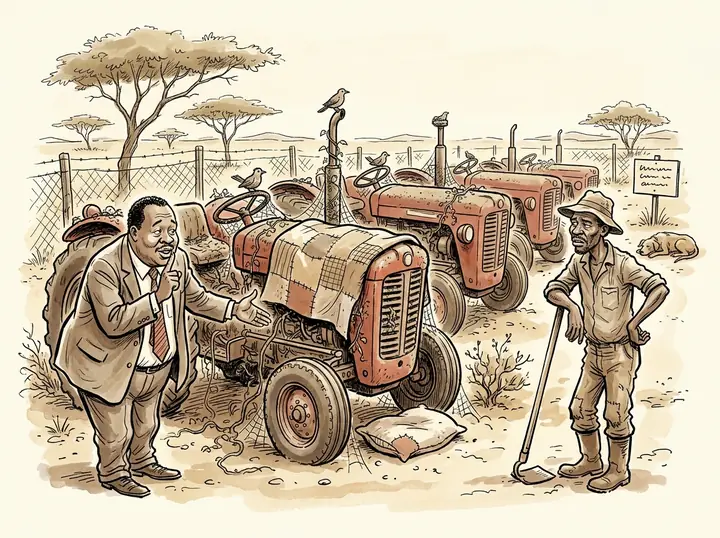
After servicing, 329 of Namibia’s 485 government tractors are ready for farmers and 156 are not; when ploughing began last November only 200 were ready. “The tractors were only parked from July 2023 to November 2024,” the agriculture minister said. Sixteen months is a long rest, even for a tractor.
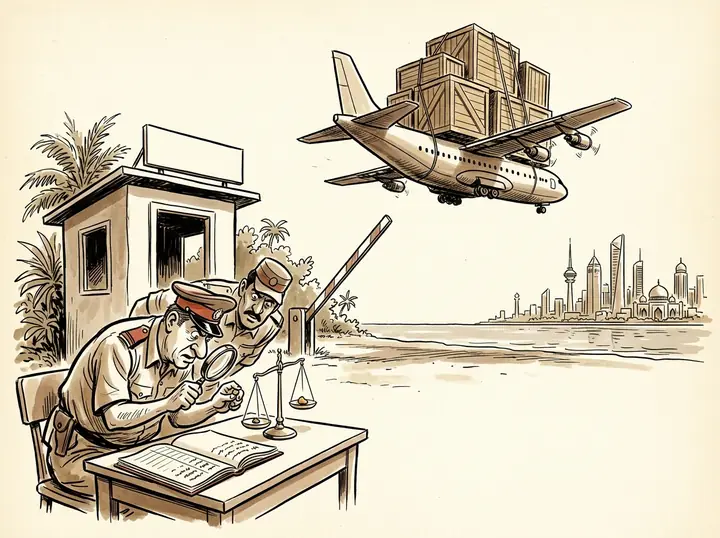
Cameroon reported 22.3 kilograms of gold exports in 2023. The United Arab Emirates recorded more than 15 tonnes of gold imports from Cameroon the same year. The state mining company says not a single gram left through formal channels in 2025. The gold is exported in Dubai’s books and nowhere in Yaoundé’s.
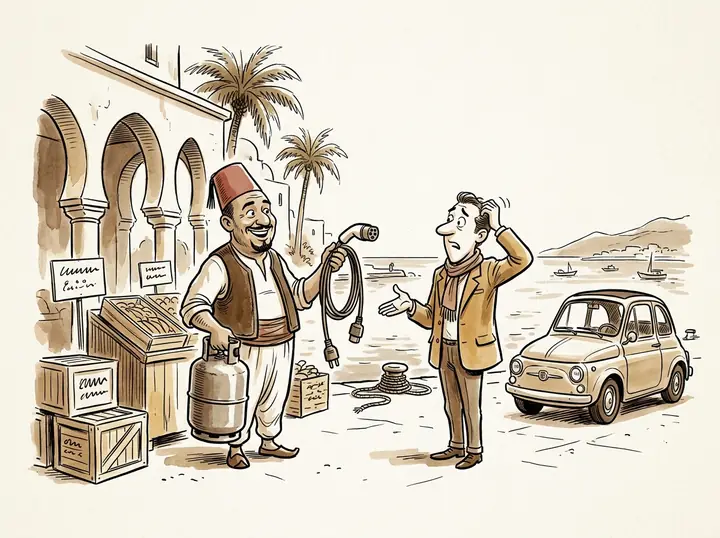
Algeria’s state utility will export 250 electric-vehicle chargers to Italy, after 200 to Portugal. Italy also buys Algerian gas. Whichever way the cars go, the supplier has both possibilities covered.
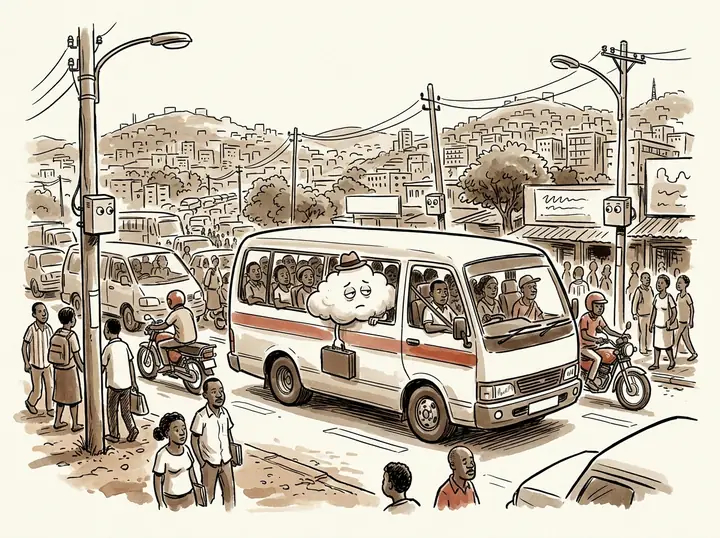
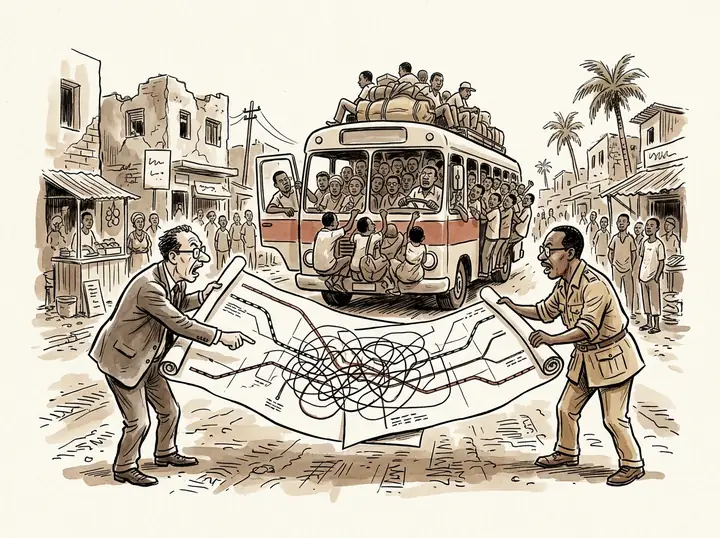
DR Congo has signed agreements for MetroKin, an urban railway designed to carry 520,000 passengers a day for about $2 billion. A separate tramway could need up to $9 billion, and nobody has said how the two will share the streets where they overlap. In 2018 the capital had roughly one bus for every 21,000 residents. It now has two railways competing for the same passengers, on paper.
The Dangote refinery has extended its share offer to October 27, although the offer is already oversubscribed. The offer is full, so it has been extended, which is how one usually handles a crowded room: more chairs.
Four days after promising driving licences in under two minutes, Kenya’s transport authority asked drivers to search online for the licences they never collected. Kenya has solved the printing and moved on to the slower problem of finding their owners.
Morocco’s outgoing parliament has left 12,222 written questions unanswered, and attendance once fell to 46 of its 395 members. One might ask who was asking. The question would join the queue.
Cameroon’s president has ordered that at least 30 percent of the 2027 budget go to investment, and that no new projects be started. Between January and June 2025, only 26.2 percent of investment appropriations were actually cleared for payment. The investment budget grows. The investments have been told to finish what is already on their plate.
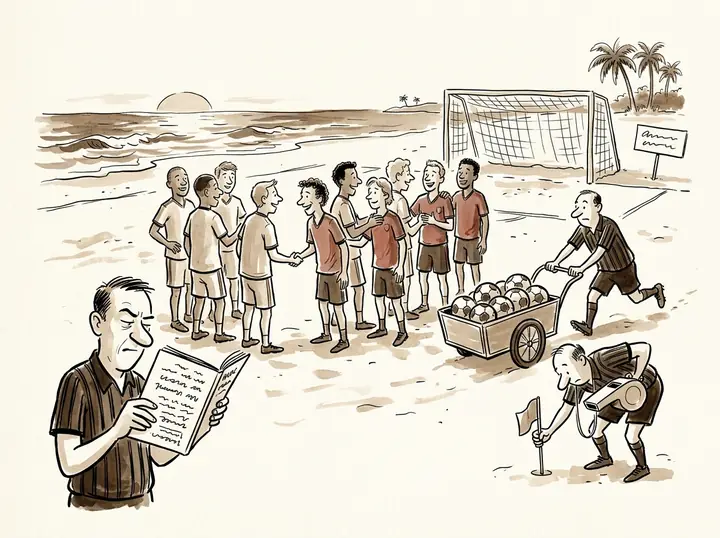
Nigeria and Ghana drew 3-3 in a beach soccer qualifier in Kaduna, and the referees then ordered extra time and a penalty shootout anyway. They later admitted the match “should have ended after regulation time.” The return leg is in Keta on 18 October. A draw, for once, was the one result the officials would not accept.
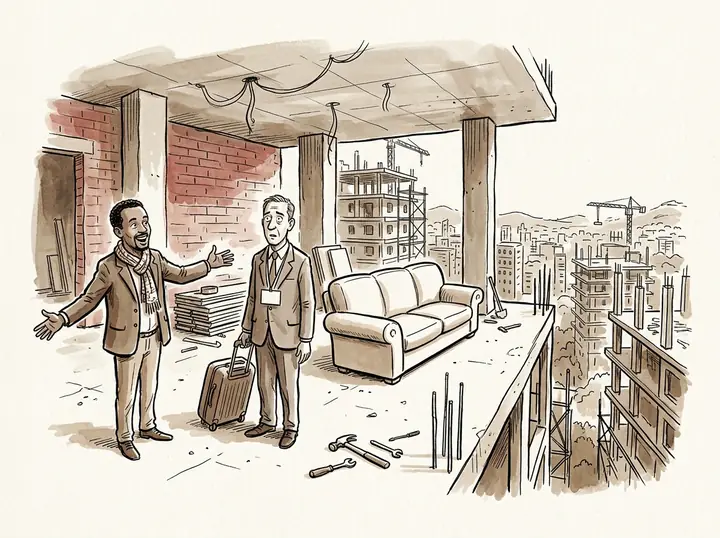
Ethiopia expects nearly 80,000 people for the COP32 climate summit; the capital’s hotels have at most 25,000 beds. Organisers plan to lodge the rest in residential blocks 50 to 70 percent finished, with furniture loans that banks have yet to pay out. “The expected number of guests and the current hotel-bed capacity in the city don’t match,” said the hotel owners’ president. Climate delegates will finally see a building site from the inside.
Zimbabwe’s lithium exports have nearly quadrupled: $2.16 billion in nine months, enough to push lithium past platinum. A rock that sat quietly in the ground for a few million years is suddenly the most popular guest at every party.
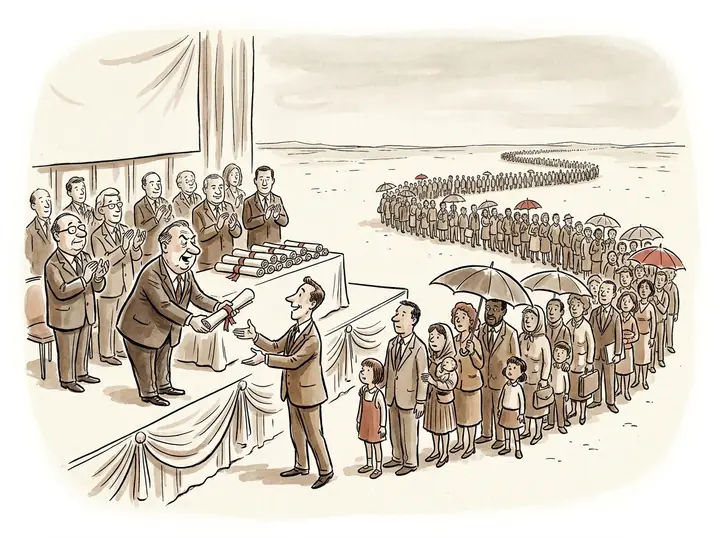
UN-Habitat has honoured five housing projects, among them bamboo homes in Myanmar and earth blocks in Tunisia. Up to 3.4 billion people lack adequate housing. Scrolls issued. Roofs pending.