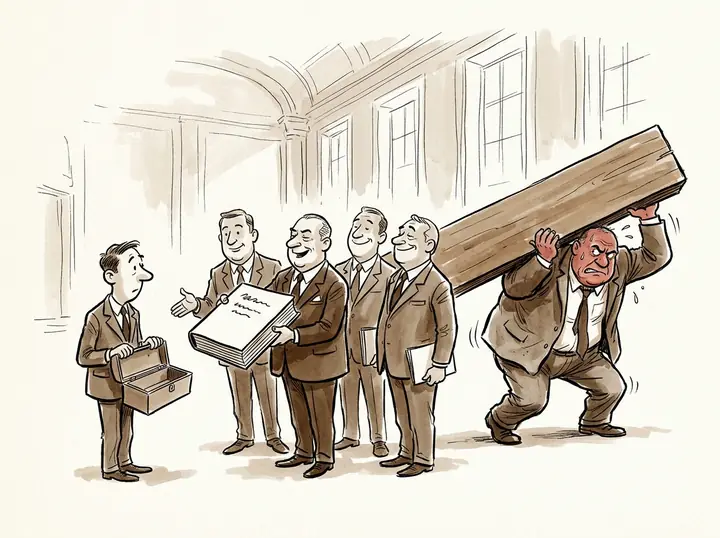
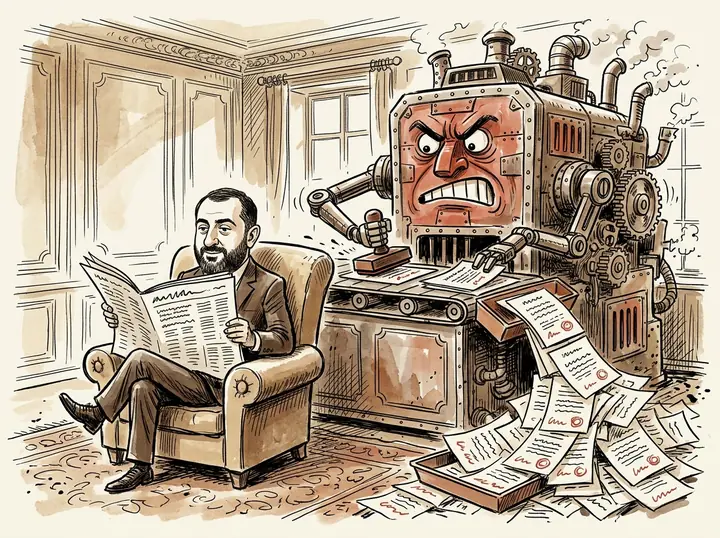
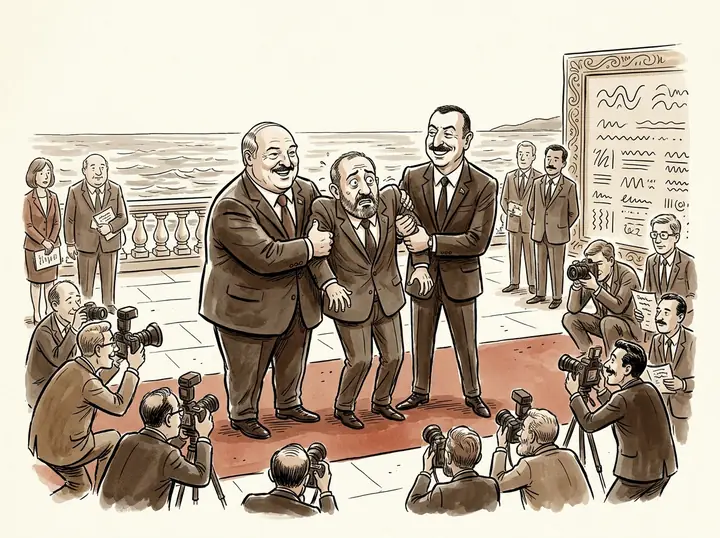
Tbilisi, Yerevan and Baku: parliaments, pipelines, peace paperwork and very long toasts. Every capital gets the same treatment.
Monday, November 2, 2026
Yerevan
Twelve Years Left to Run
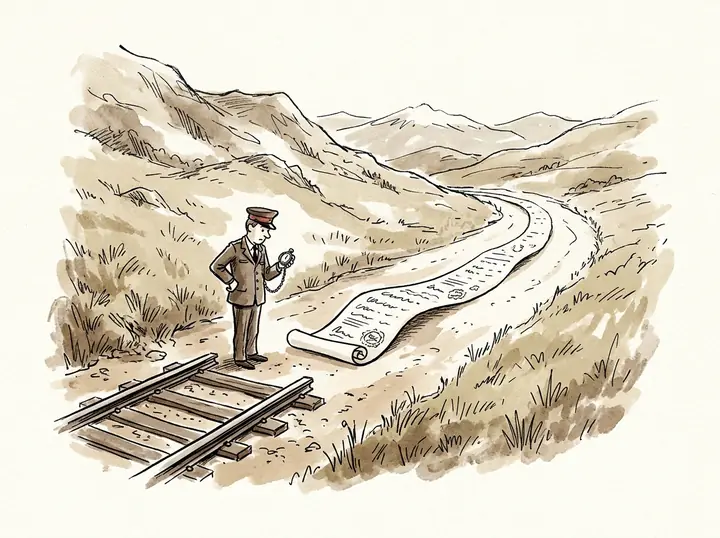
Armenian party leader Aram Sargsyan has asked the Prosecutor General to investigate South Caucasus Railway, the Russian Railways subsidiary that holds the country’s rail concession, asking that his statement be treated as “a report of a suspected criminal offence.” Among his complaints is dismantled infrastructure on about 40 km between Meghri and Kapan. The concession, signed in 2008 for 30 years, still has twelve years to run. On the Meghri to Kapan section, nothing else does.
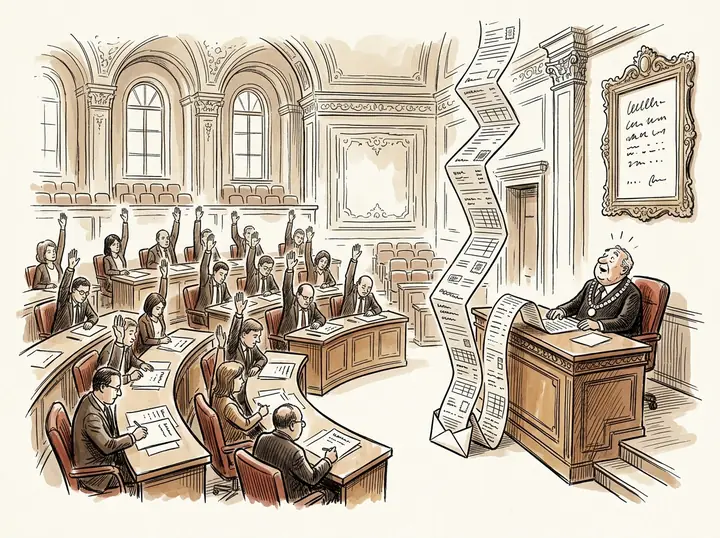
Azerbaijan’s Milli Majlis passed a law “On Free Legal Aid” in first reading on 30 October: 14 articles, 14 eligible groups, the bill paid from the state budget. It covers criminal, civil, administrative and Constitutional Court cases. It does not cover defending rights in international organizations. The state will now pay for a lawyer to take on the state anywhere the state also chooses the judges.
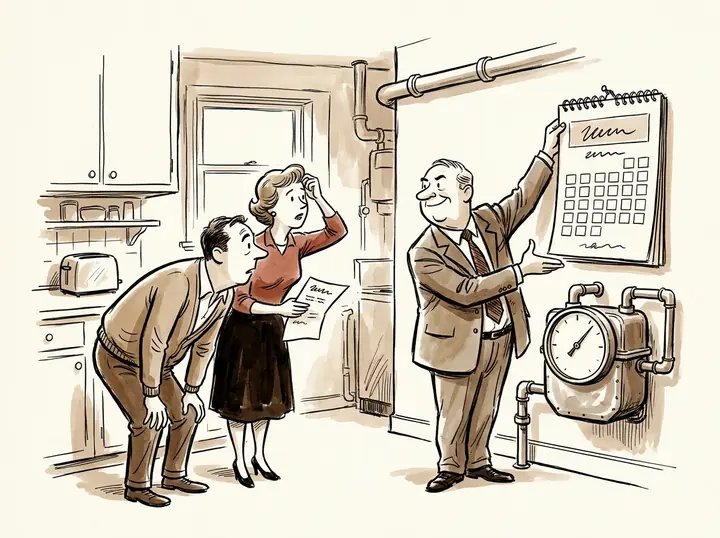
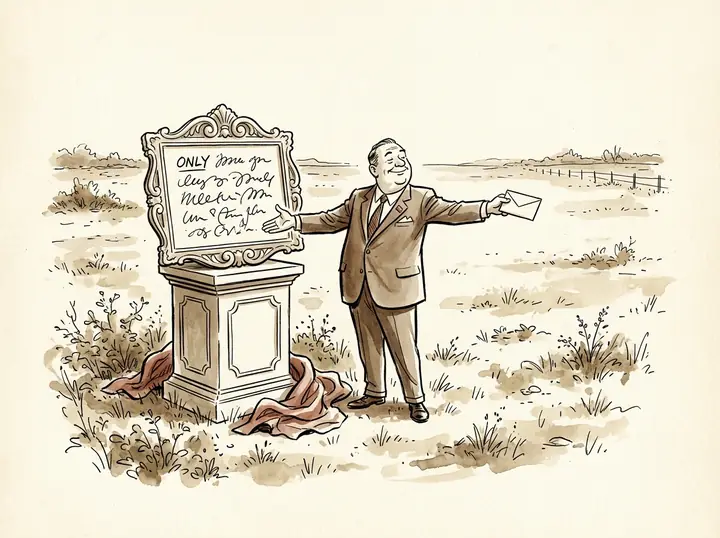
Georgia’s parliament voted 75 to 5 on 29 October to let the energy regulator charge households for gas by how much they burn, a power that lasts until 1 January 2038. “Those who consume more will pay higher tariffs,” said the bill’s sponsor. Asked where higher begins, he said “GNERC sets the tariff and the final price.” The new pricing has a precise end date and no starting point.
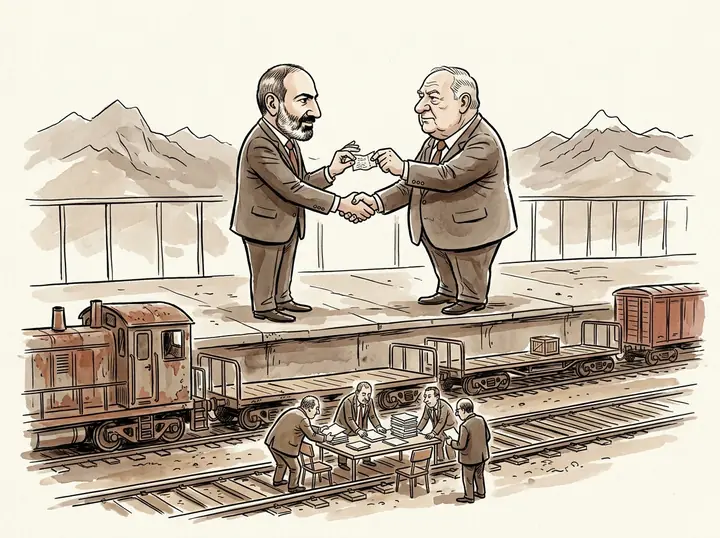
Armenia’s parliament ratified the TRIPP transit agreement with the United States on 28 October, 63 votes to 32. A joint company gets 49 years of exclusive rights to the land along about 43 km of Armenian railway, 74% American and 26% Armenian. Renew for another 50 years and Armenia’s stake rises to 49%. The reward for promising the next century is one point short of half.
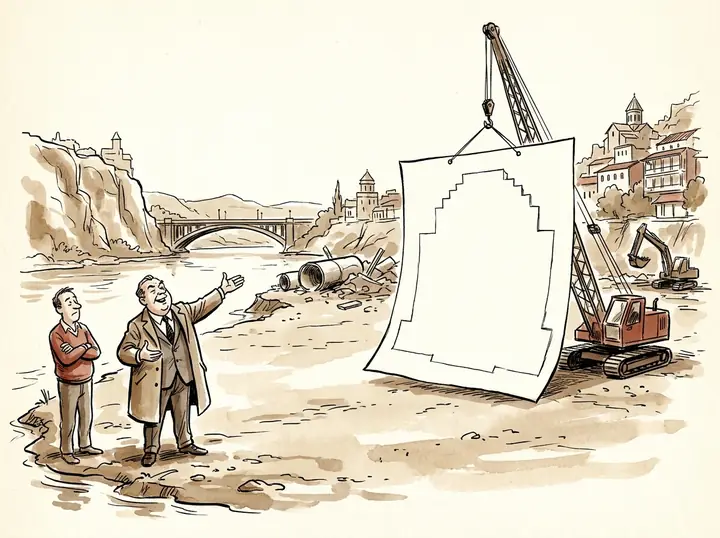
Tbilisi City Hall calls reports of a 10-storey hotel at the Rike Tubes site “completely false”, OC Media reports. It has only an application, lacking any project or design, to rezone the 14,591 sq m plot for business. The state spent GEL 75 million building the tubes and sold them for GEL 10 million; they are now being demolished. Nobody has submitted a hotel, only a request for the zoning a hotel would need.
Azerbaijan’s finance ministry first put 2027 revenues at 39 billion 234 million manats; the draft budget that reached parliament says 39 billion 254 million, APA reports. Spending stayed at 42 billion 400 million, so the deficit cap shrank by exactly 20 million manats. On the way to parliament the budget found 20 million manats, the only sum in it nobody has yet planned to spend.
Ararat Mirzoyan, Armenia’s top diplomat, told lawmakers on Wednesday that Armenia is ready to sign the peace treaty initialled with Azerbaijan as soon as possible, and that Baku links signing to changes in Armenia’s constitution, Armenpress reports. The distinction, he said, is that “They are not saying, ‘We demand that you go and change your Constitution.’ They are saying, ‘We will not sign.’” Baku makes no demand, only a refusal with a constitution attached.
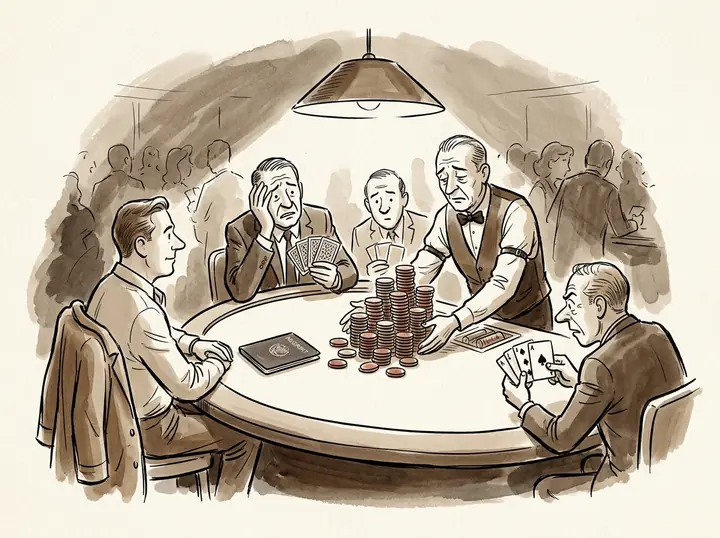
Georgia’s parliament has voted 73 to five for a law on international gambling tournaments, defined as events where at least 80% of the players are foreign nationals, Georgia Today reports. Above a prize pool of GEL 3 million, organisers skip the gaming-table fee and foreign winners pay no tax on their winnings; everyone else’s are taxed at 20%. At Georgia’s new tables, the best hand is a foreign passport.
Azerbaijan’s parliament accused France and European institutions of “applying double standards on human rights” and asked the UN to investigate French policing of protests, citing around 2,400 detentions on 17 October. Its grievance is that the EU and Council of Europe go on “strongly criticising human rights violations in Azerbaijan” and spare France. Baku has no quarrel with the standard, only with how few countries get it.
Armenia’s foreign minister, Ararat Mirzoyan, said last Wednesday that “prohibited cargo, such as weapons and ammunition, cannot transit” the TRIPP route, an understanding Baku shares. Whether Armenians crossing Azerbaijani territory face the same procedures as those crossing Armenia, he said, “remains to be clarified.” So far the ammunition is the only traveller with complete instructions.
Freedom House has downgraded Georgia’s internet from Free to Partly Free, the first loss of the rating since 2012, citing authorities who “continued to suppress online activism and speech perceived to be critical” of Georgian Dream. Its score fell to 68 out of 100, from 78 in 2022. Ten points every four years is steady work. At that pace Georgia reaches Russia’s 16 in about two decades.
Armenia’s National Gallery is showing about 30 paintings seized by the Investigative Committee from a former finance minister, in an exhibition with no name, no catalogue and no curator. The committee says the works are “material evidence” handed over “for safekeeping”; the family’s lawyers say the display violates their rights. OC Media found no other visitors. Safekeeping now comes with opening hours.
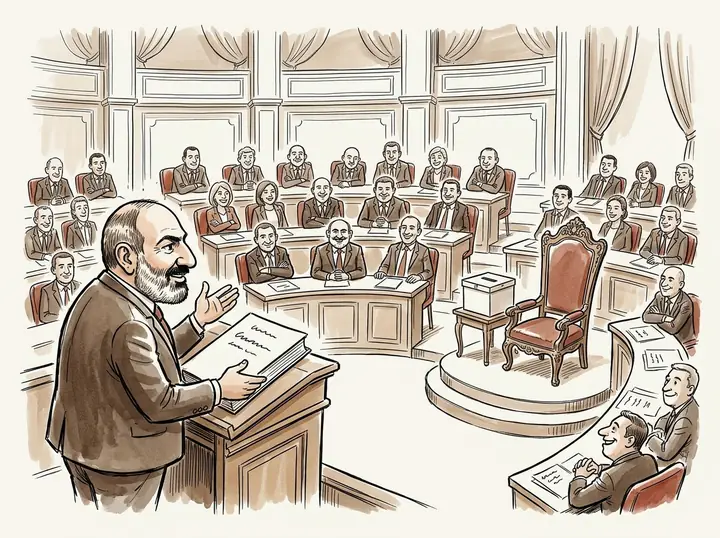
Armenia’s ruling Civil Contract holds 64 of 105 seats, six short of the two-thirds needed to send a new constitution to referendum, Yerepouni reports. Nikol Pashinyan says that failing opposition help, “we may try a different solution, such as a snap election.” That requires him to resign and parliament to fail twice to elect a successor. His majority cannot change the constitution, but it is comfortably large enough to fail, twice.
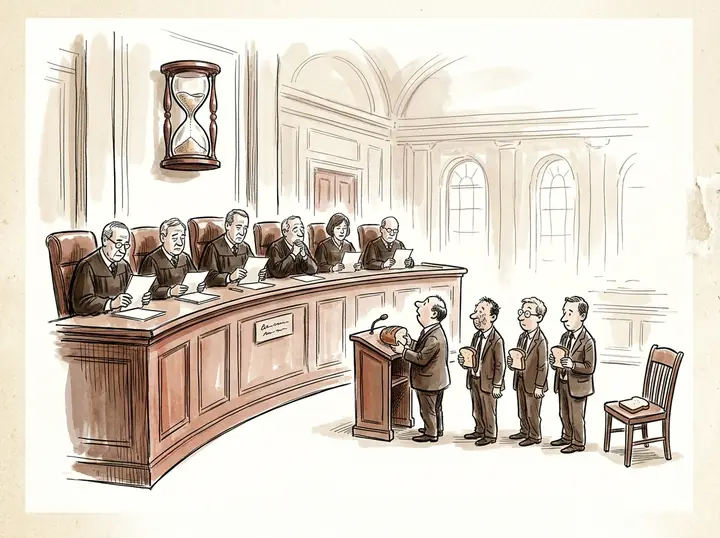
Georgia’s Constitutional Court has set three days to hear a lawsuit by 88 MPs seeking to declare five opposition parties unconstitutional, Georgia Today reports. A European Commission spokesperson saw “a worrying instrumentalization of the judiciary.” One of the five, the Federalist Party, is not taking part. That leaves the other four about three-quarters of a day each to argue that they should exist.
Armenia has asked the Russia-led Eurasian Economic Union to rule that Russia’s sweeping bans on Armenian goods this year are illegal barriers, The Moscow Times reports. Economy Minister Gevorg Papoyan says Russia “is obliged to remove them within 30 days” if the union agrees; he says Russia blocked the earlier appeals. The union hears the case on 3 November. The defendant has a veto.
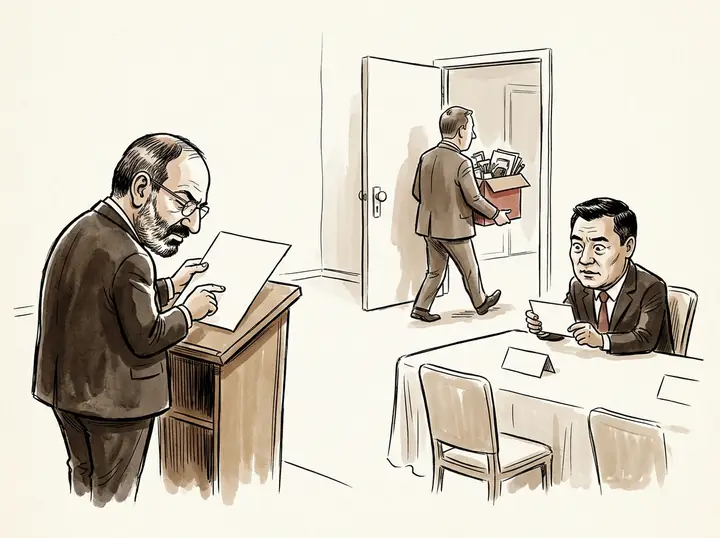
Nikol Pashinyan has dismissed Armenia’s chief of protocol, whose service oversees the prime minister’s speeches. Reading from a text during a visit by Kyrgyz President Sadyr Japarov, Pashinyan had called his guest “Kazakhstan’s president”. The government has given no reason for the dismissal, OC Media reports. After this week, it may not trust anyone to write one.
Russia, Belarus, Kazakhstan and Kyrgyzstan have signed a report of over 70 pages on suspending Armenia from the Eurasian Economic Union, OC Media reports; Yerevan says it has broken no obligations and has not decided to leave. By the report’s own figures, 97 to 99% of the lost trade would fall on Russia. It also concedes the treaty has no suspension mechanism. The procedure does not exist, and its chief victim has already signed for it.
Georgia has given a television host 30 days’ detention for Facebook posts insulting the parliament speaker, Shalva Papuashvili. The case came from the Interior Ministry’s Department for Monitoring Hate Speech and Aggressive Statements, which local media say often acts without a complaint. The speaker says he does not follow individual cases. Georgia has learned to take offence on a politician’s behalf without troubling the politician.
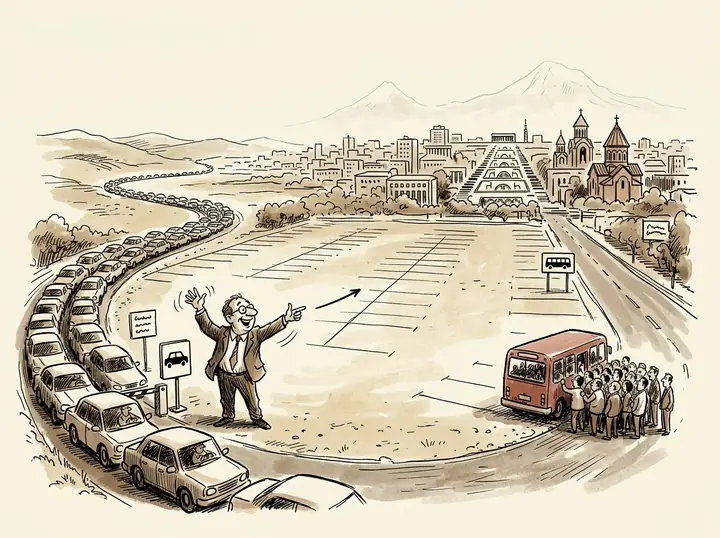
Yerevan’s deputy mayor, Suren Grigoryan, wants car parks at the Armenian capital’s entrances where drivers from the regions could swap their cars for buses. Amid talk of a ban, he said “I said nothing of the sort” and blamed the headline. Readers, he said, stopped at the headline instead of going in, which is exactly the arrangement he has in mind for their cars.
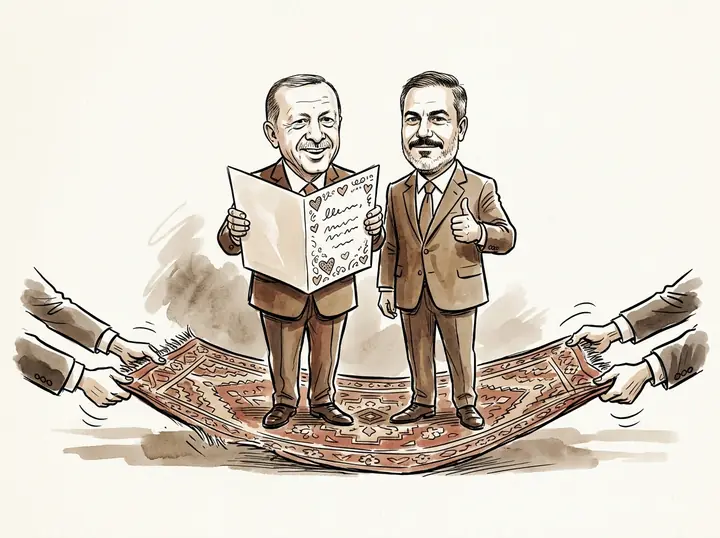
Azerbaijan marked Restoration of Independence Day on Sunday, and Turkey’s president, Recep Tayyip Erdoğan, posted: “We are always united, in sorrow and in joy.” The same JAMnews digest carried a headline from the week: “Fidan says ‘everything is fine’ in Baku, but relations remain strained.” Between the president and his foreign minister, Ankara covered sorrow, joy and fine. Strained was left to the reporters.
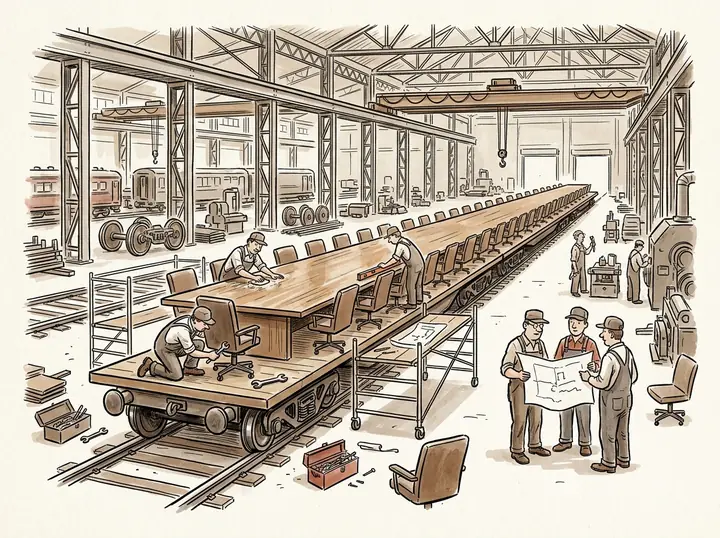
Czech rail maker Škoda Group plans a rolling-stock plant in Azerbaijan following talks on 12 October. There is no investment agreement, no figures, no timeline and no order yet for the 299 metro carriages Baku wants by 2030. Uzbekistan, which signed in April, already knows it is getting 10 trains. Output to date: three meetings since May 2025, all assembled in Baku.
Georgia’s National Communications Commission has barred the critical channels Formula and TV Pirveli from using 93 words and phrases, among them “regime,” “oligarch” and “repressive laws.” It cites the impartiality clause of the broadcasting law, with fines starting at 2,500 lari per channel. The list is the most complete description of the government yet published.
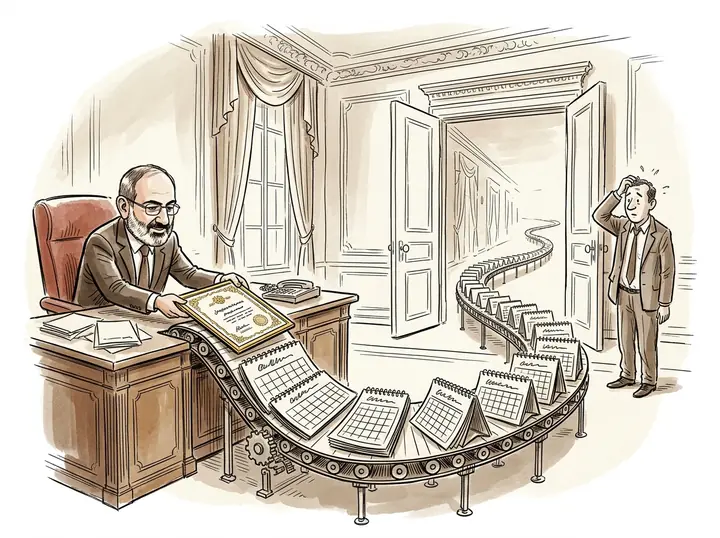
Armenia’s prime minister, Nikol Pashinyan, told his weekly briefing that signing and ratifying a peace agreement with Azerbaijan is the most important task ahead of him. “The specific timeframe is to complete the process by 2031,” he said, adding that this did not mean dropping other agendas. The most important task has been given the longest deadline.
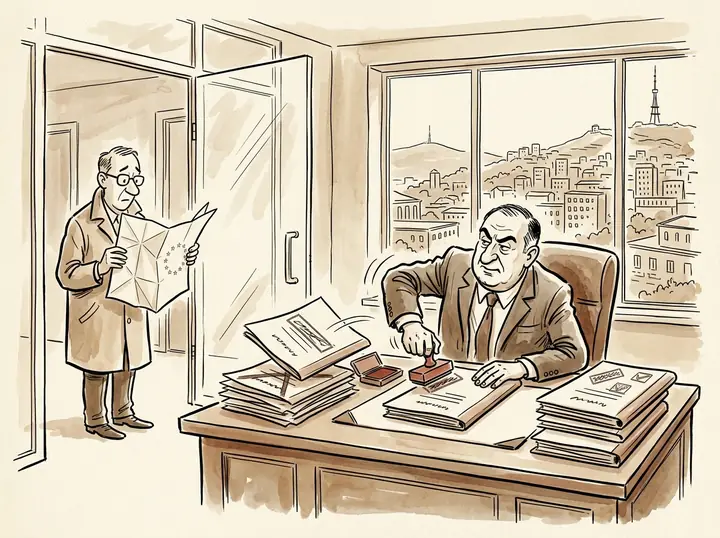
Two of Germany’s four party foundations in Georgia, Adenauer and Naumann, are leaving after officials repeatedly rejected their plans under the new Law on Grants; the other two were cleared to resume. The speaker of parliament linked the Adenauer Foundation to the opposition through Europe’s largest party family. The EU’s enlargement commissioner says Georgia is now “a candidate country only on paper.” The paperwork, at least, is in order.
Georgia’s government is offering families displaced by its old conflicts 10,000 lari, about $3,860, per eligible member instead of a flat, on condition that they give up further support. The official order calls this “long-term resettlement.” As 2025 closed, 45,160 families were still waiting for housing. The government has not explained how it set the figure; the order has at least found a name for it.
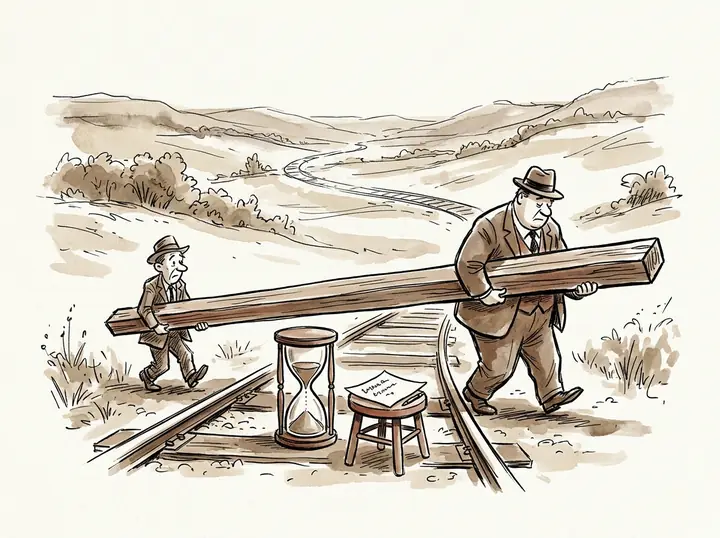
Russian Railways has run Armenia’s network under a 30-year concession since 2008, and freight has roughly halved. Armenia’s prime minister and the company’s chief agreed on a working group with a three-month deadline; he says Armenia “is not fixated on taking the concession away from Russia.” The company says it has invested about $400 million and been paid no dividends. Everyone is losing, but politely.
More than 100 Azerbaijani government websites came under attack from about 22:00 on 13 October, and the state’s information-security service blamed a “foreign hacking group” without naming a country. Five days earlier another state agency had warned about outdated database software and default login credentials. No link has been reported. The warning, at least, got through.
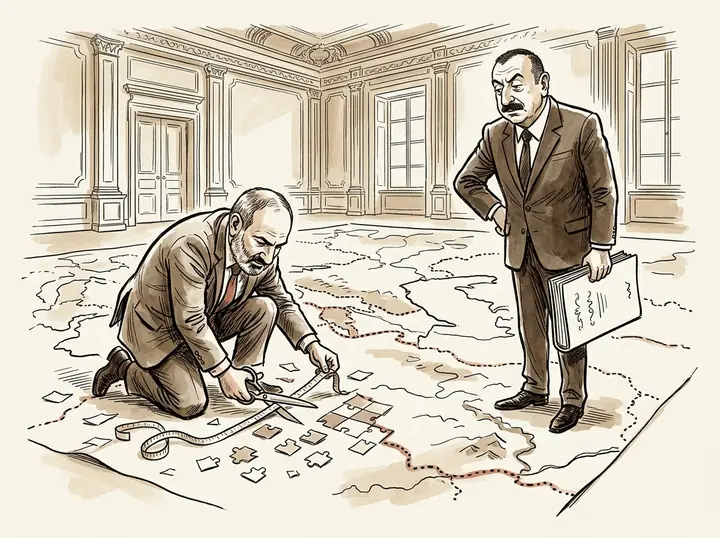
Armenia’s prime minister said in a video address that the country should keep exactly 29,743 square kilometres, and that enclaves should be swapped for territory of precisely equal size so there are “no enclaves or exclaves on either side of the border.” Baku still wants Armenia’s constitution changed first; no referendum date is set. Peace in the Caucasus has reached the stage of the tape measure.
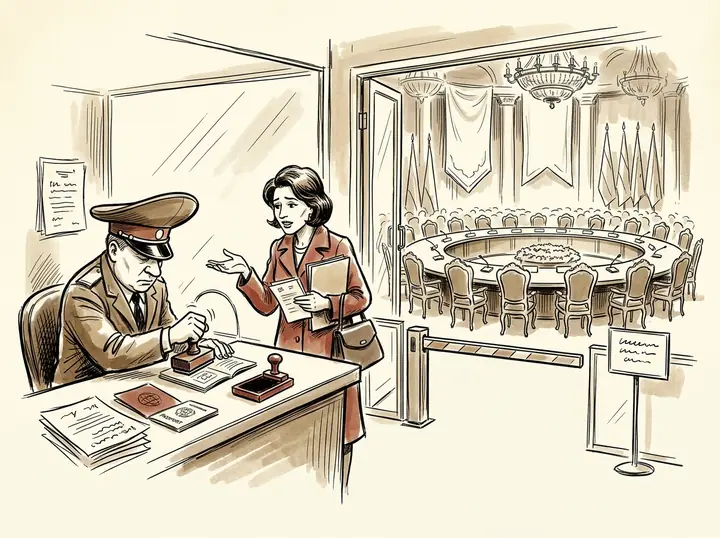
An Armenian ruling-party MP says she was refused entry to Russia on her way to a CIS committee meeting in Saint Petersburg. She was told her “entry there was prohibited. For what reason, it is not known.” Neither Russia nor the CIS has commented. The commonwealth meets; some of its members attend by being turned away.
Yerevan’s city council set the mayor’s monthly pay at no less than 2,080,000 drams from January, up from 1,320,000, and approved it “without discussion.” The ruling party’s leader on the council said the total would end up lower than current pay with bonuses, but gave no figures. A raise that lowers the pay is the kind of arithmetic best done without debate.
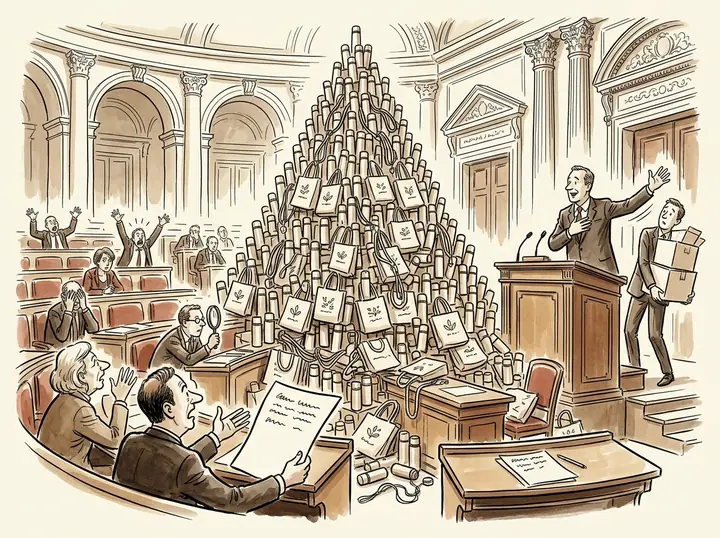
Armenia’s parliament ratified the agreement to host the COP17 biodiversity conference, with a $2,166,855 payment to the UN secretariat. An opposition deputy listed the merchandise: 16,500 thermoses at 7,800 drams each, 19,700 lanyards and 16,500 eco-bags. The deputy foreign minister said procurement followed UN standards and the total would come after the conference. Biodiversity will be protected, starting with a very large number of thermoses.
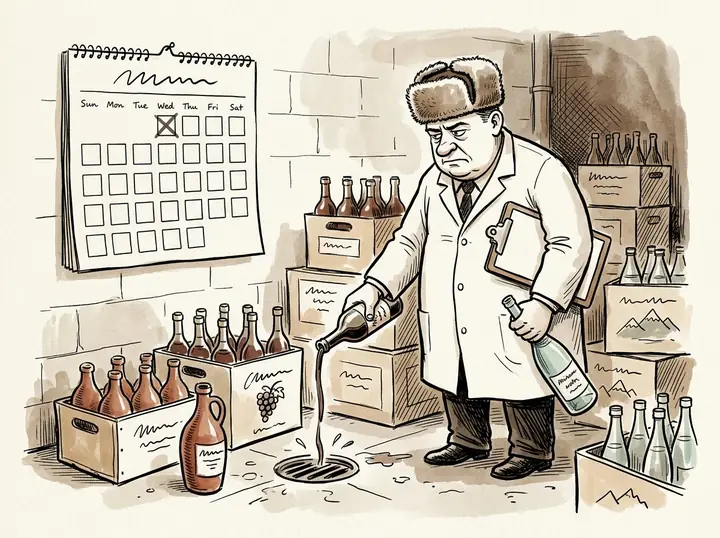
Russia has suspended products from seven Georgian companies, among them wine and mineral water makers, as a “temporary sanitary measure” from 9 October with no end date. The order cites a food-safety rule without saying which requirement was broken, and instructs that “immediate measures must be taken to remove them from circulation.” The hygiene problem is specified only as Georgian.
At a summit of the Commonwealth of Independent States in Turkmenistan, video released by the Belarusian side caught the leaders joking during the group photo. Azerbaijan’s president told Armenia’s prime minister, “There’s no way to separate us.” Belarus’s president added, “Where is he going to run from us?” The friendliest line of the summit, and the least reassuring.