The Duma, the decrees, the budget and the official explanations, read slowly. The war is on the Conflict desk; this is the paperwork at home.
Monday, November 2, 2026
Elabuga
Substitution, Substituted
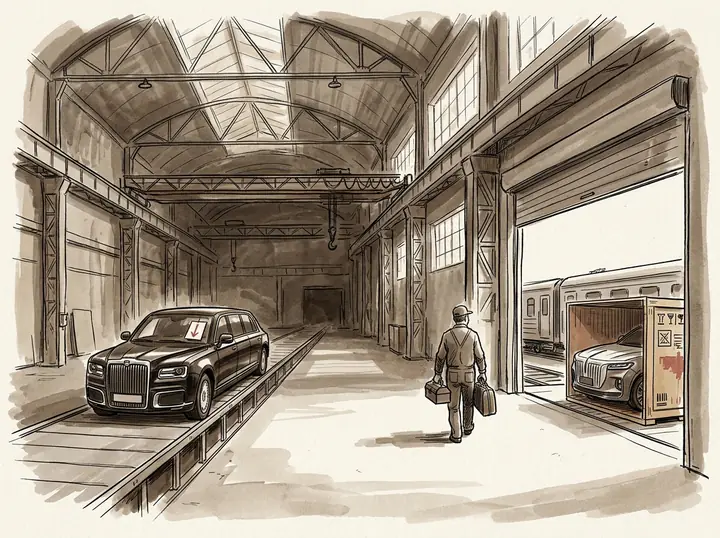
Russia’s Aurus has cut the price of its Senat limousine, Vladimir Putin’s model, from 50 million to 40 million rubles, Mash reported. The Elabuga plant, with a claimed capacity of 5,000 cars a year, assembled fewer than 150 in 2025 and may close, a Telegram channel says, per The Moscow Times. Workers are offered a move to St Petersburg to build the Aurus 900, based on China’s Hongqi H9. Import substitution has now been substituted.
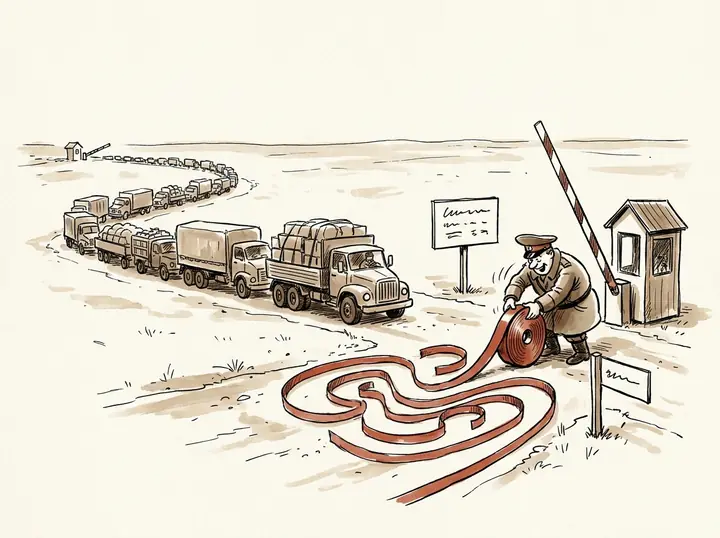
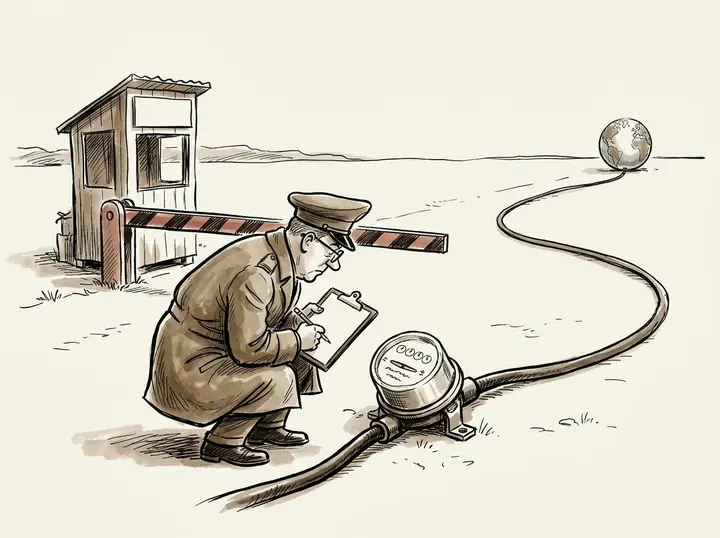
Goods bound for Russia through Kazakhstan now wait an average of 20 days at each Kazakh border, cargo owners told The Moscow Times, on a journey that once took about 20 days in all. From 1 December, a logistics specialist said, Russian customs is expected to inspect every truck rather than a selection. Moscow has decided to meet the queue with one of its own.
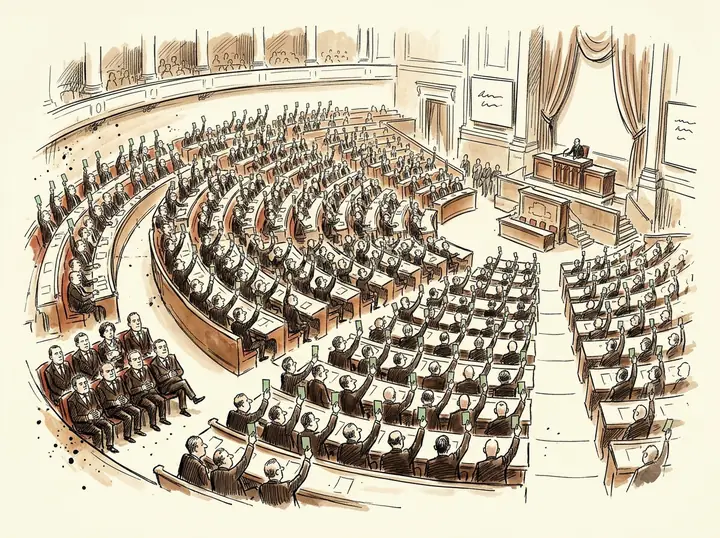
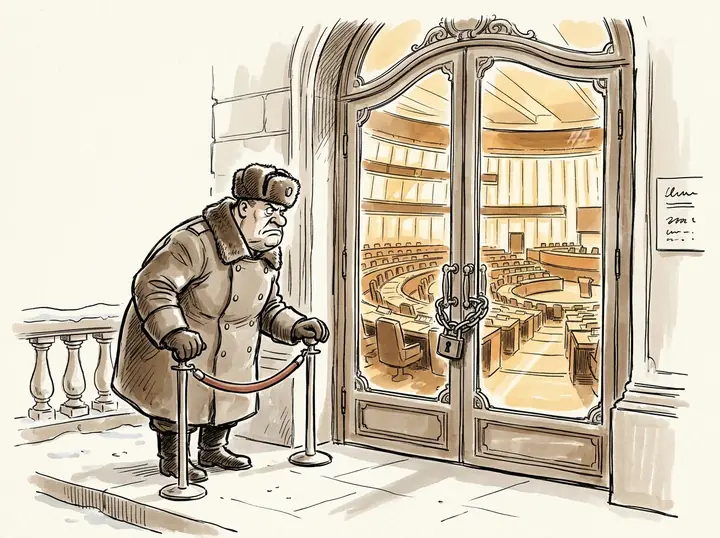
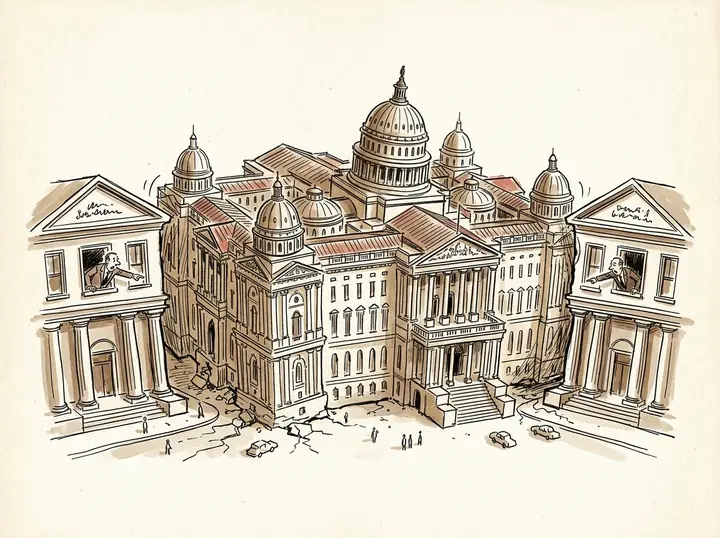
Russia’s State Duma passed the three-year federal budget in first reading on Thursday by 372 votes to none, with 51 abstentions, The Moscow Times reports. Finance Minister Anton Siluanov said it preserves “fulfilling social obligations to our citizens”; social support falls 6% and healthcare 3%. The 51 abstentions were the opposition at full strength.
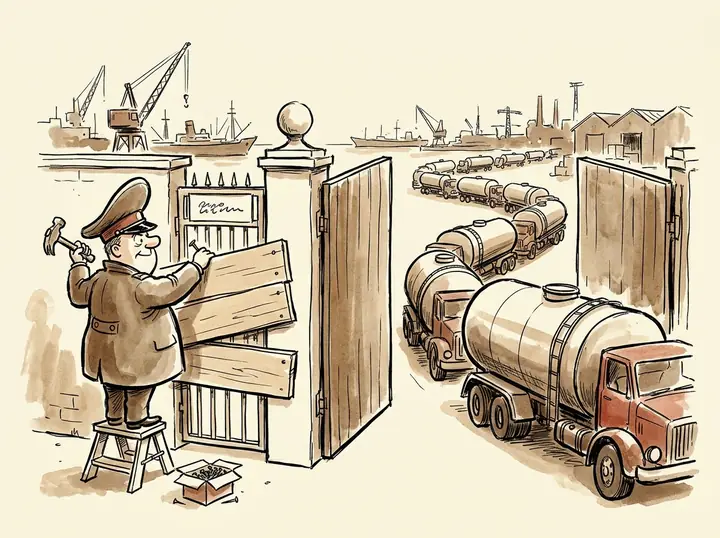
Russia will keep its diesel export ban in place through December, two unnamed sources told Reuters, in a report carried by The Moscow Times. Under the ban, export quotas will climb to 2 million metric tons in November, roughly four times October’s level, to honour a new supply deal with Washington. Russia is now banning diesel exports at four times last month’s volume.
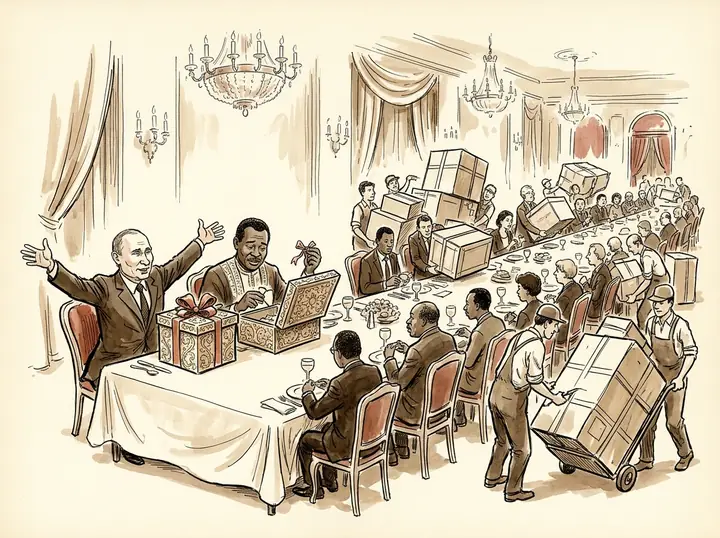
Russia’s third Russia-Africa summit drew 22 heads of state, against 43 at the first in 2019, The Moscow Times reports. Russia provides about 1% of the foreign direct investment going into the continent. On the second day Vladimir Putin described the two sides as “united by truly strong bonds of friendship and close partnership.” The other 99% of Africa’s investors manage without the adjectives.
The Dialogue with Russian Democratic Forces, a delegation of exiles at the Parliamentary Assembly of the Council of Europe, is now on the Russian Justice Ministry’s register of “undesirable” organizations. Affiliation can now bring up to four years in prison. Russia itself was expelled from the assembly in March 2022, after 26 years as a member. The only Russian seats left in Strasbourg are now illegal to sit in.
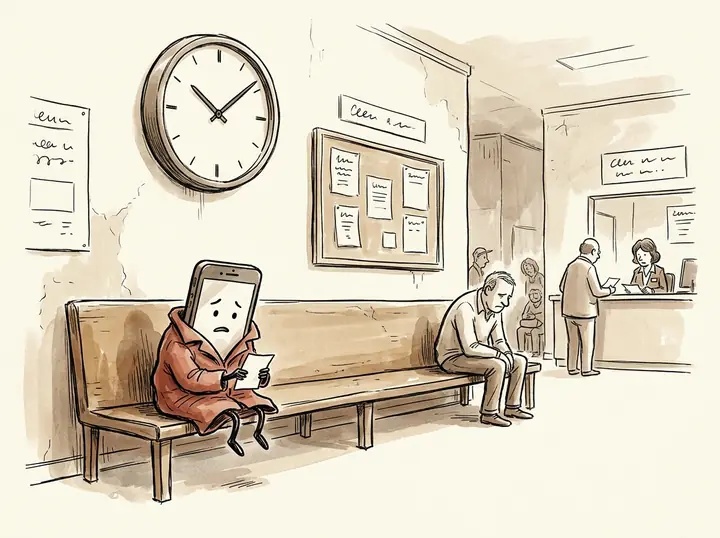
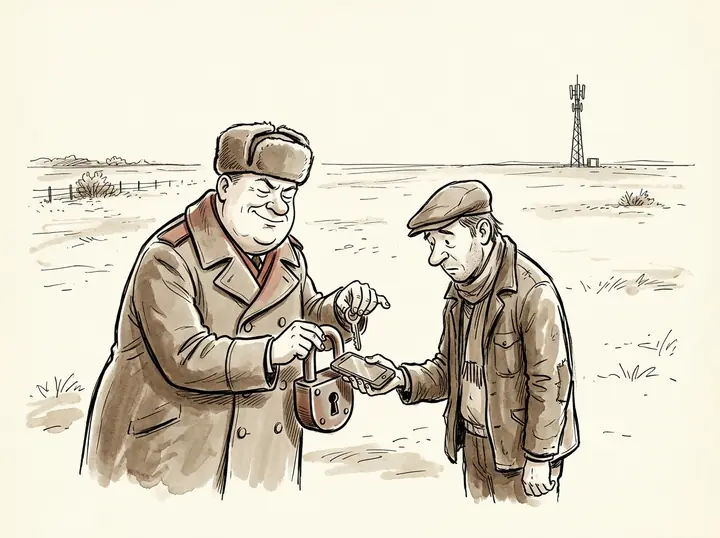
Under a Digital Development Ministry proposal in Russia, from April 2027 smartphones brought in from abroad would lose mobile service unless their 15-digit IMEI is registered on the Gosuslugi portal within two weeks, Meduza reports, citing RBC. The stated target is people who import phones one at a time to resell them. On day fifteen an unregistered phone would be deported from the network without ever leaving the pocket.
Russia’s Digital Development Ministry is weighing a plan to route all foreign internet traffic through state filtering boxes and cap how much of it each user may consume, Meduza reports, citing Forbes. A spring version charged 150 rubles for every foreign gigabyte beyond 15 a month; the ministry calls it “premature to say” what survives. The border used to be drawn on maps. The new one would come with the monthly bill.
Russia’s Krasnodar region declared a high alert in ten districts on 22 October over the “exhaustion of capacity at waste management facilities,” The Moscow Times reports. None of the nine facilities planned there under the 2019 waste reform has opened. Governor Veniamin Kondratyev’s decree saying there was nowhere left to put things took five days to be put anywhere.
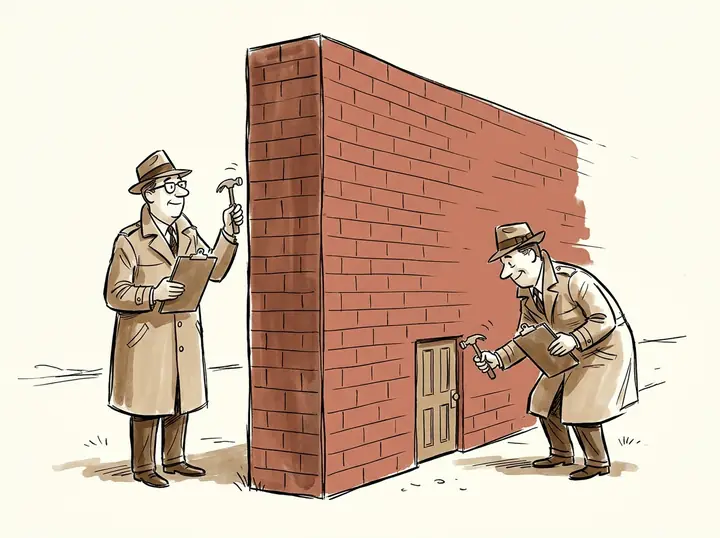
A former engineer at Roskomnadzor’s Main Radio Frequency Center, who worked on Revizor, the system that checks providers block banned sites, wrote nearly 90% of the code of AIVPN, a service built to evade blocking, The Bell reports via Meduza. He confirmed he helps develop it. Roskomnadzor finally has quality control on both sides of the wall.
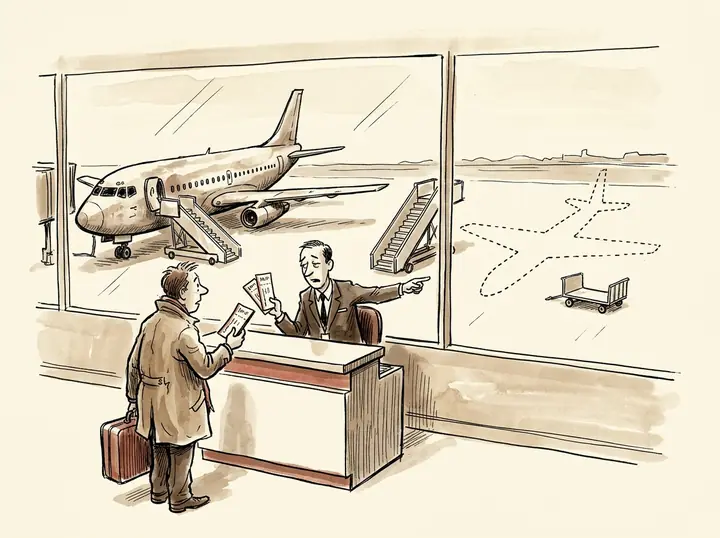
Russia plans a levy on airline tickets from 2027 to fund delayed replacements for Boeing and Airbus jets, The Moscow Times reports, citing Interfax: 500 rubles on domestic fares and 1,000 on international ones. A 2023 plan promised over 1,000 deliveries by 2030; airlines have received none. Every ticket will buy a seat on two aircraft, one of which does not exist yet.
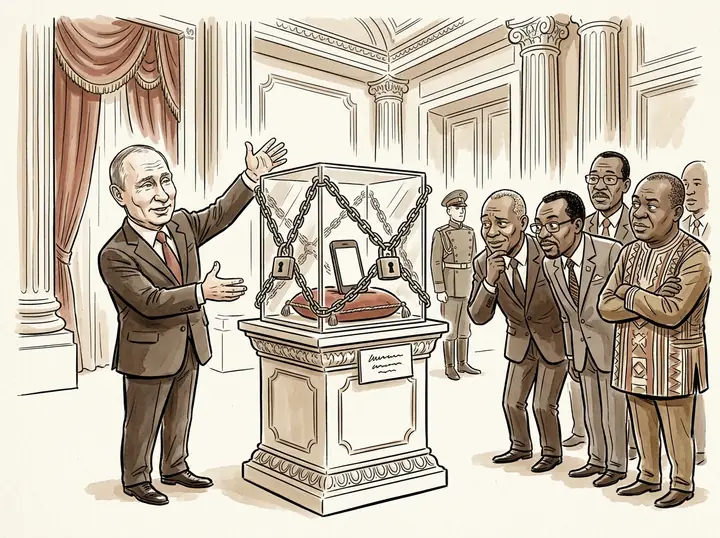
Russia’s president, Vladimir Putin, told African visitors in Moscow on Wednesday that platforms “not sovereign to France” were shaping protests there, adding, “I think it would be right for all of us to have influence over this and think about security.” Cloudwards ranks Russia 4 out of 100 for internet freedom; only North Korea scores lower. By the president’s arithmetic, Russia is 96 points secure.
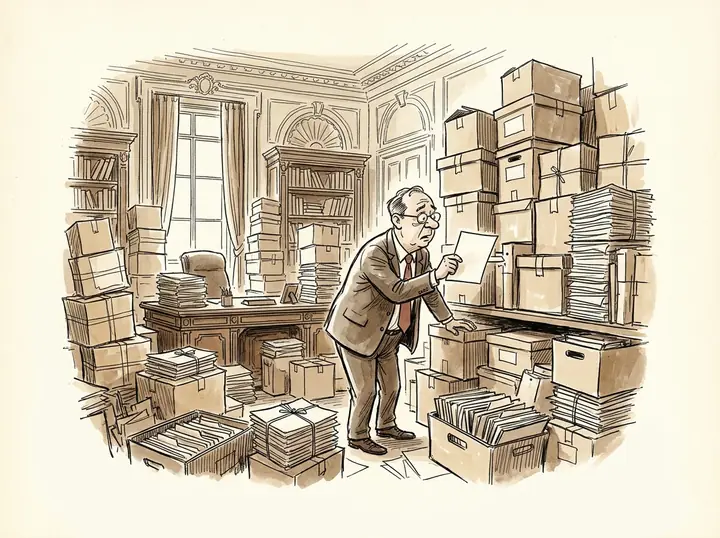
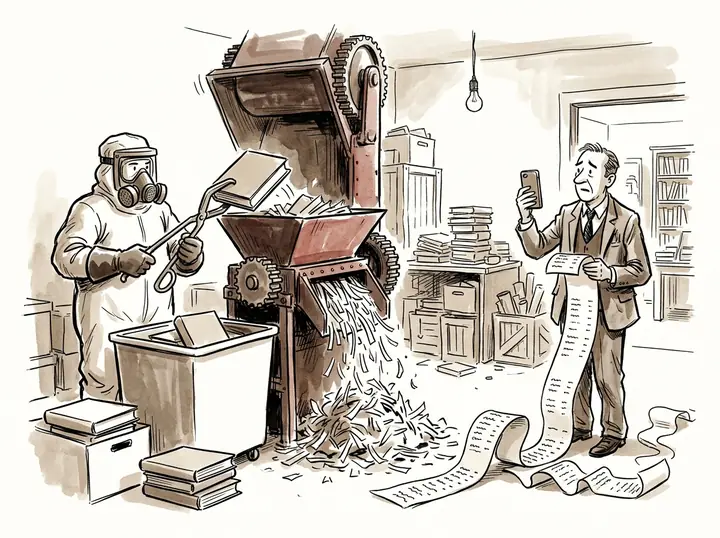
Chitai-Gorod-Bukvoed, Russia’s largest bookstore chain, has spent about 100 million rubles in recent years removing and destroying books, its chief executive told RBC, The Moscow Times reports. “We cannot just throw these books in the trash. They’re toxic waste,” he said, adding: “No one is reimbursing our expenses.” In Russia a book now costs least at the printer and most at the shredder.
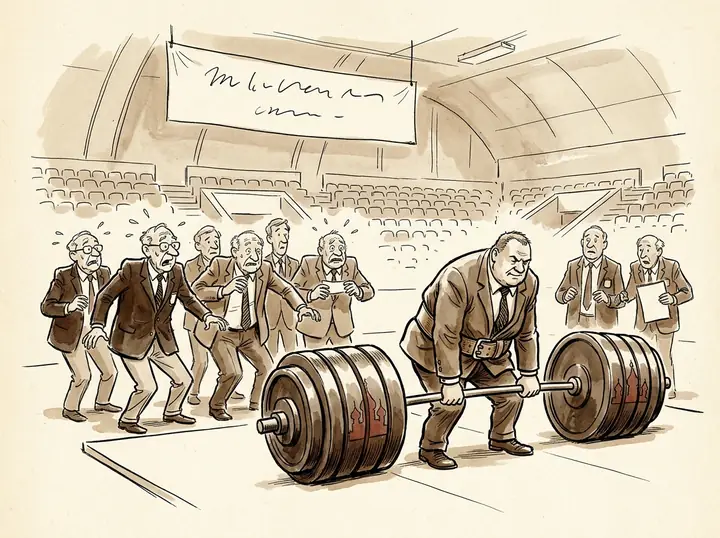
The International Weightlifting Federation said on Sunday that “Moscow (Russia) will host the 2030 edition” of its world championships, the city’s first since 1983. No world championship in an Olympic sport has been held in Russia since the war in Ukraine began; Kazan’s 2025 aquatics championships went to Singapore. The first federation to pick the weight back up is, naturally, weightlifting.
Alexander Novak, Russia’s deputy premier, said on Friday that “the first three fuel tankers are already on their way to the eastern coast of the Atlantic Ocean,” carrying diesel under the deal Donald Trump announced this month. Reuters traced the first cargo to a tanker bound for New York. Read on a map, the diesel for New York is headed for Lisbon.
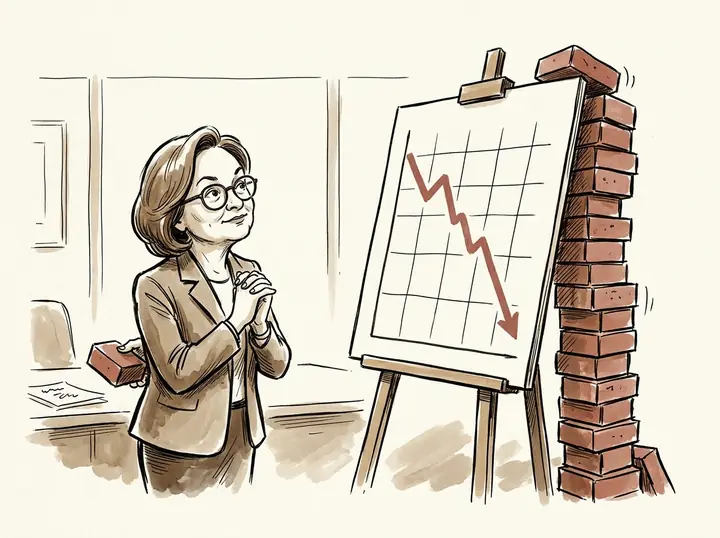
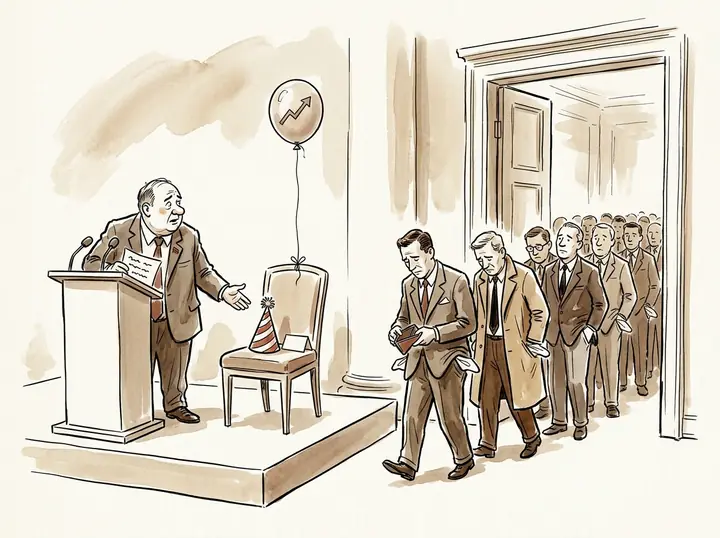
Russia’s central bank held its key rate at 14% on Friday and raised this year’s inflation forecast to 7.1 to 7.6%, against a 4% target. Governor Elvira Nabiullina said there were “individual opinions in favor of raising the rate.” Policymakers still expect inflation to fall toward target next year. They have raised next year’s key rate forecast by two points to see that the forecast is obeyed.
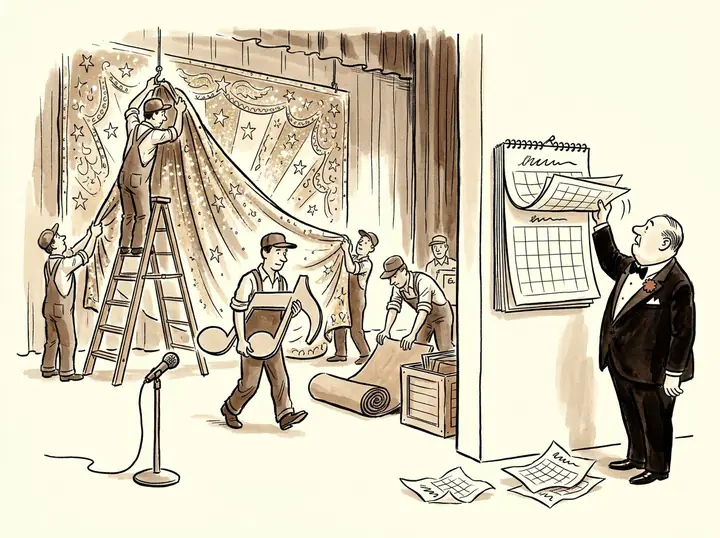
Saudi Arabia will not host Russia’s Intervision song contest this year, TASS reports, citing an unidentified source and a “combination of circumstances.” The event may move to 2027. Moscow revived the contest by presidential decree in February 2025, with 750 million rubles, after Russia was barred from Eurovision. Russia’s alternative to Eurovision has now found an alternative to this year.
Russia’s FSB has told critical infrastructure operators to patch newly found PHP flaws at once or “consider temporarily restricting external access to vulnerable web servers up to and including shutting them down,” RBC reports via The Moscow Times. More than 90% of Russian-language websites run on PHP. Roskomnadzor spent years perfecting the unreachable website, and the FSB has now certified it as the secure kind.
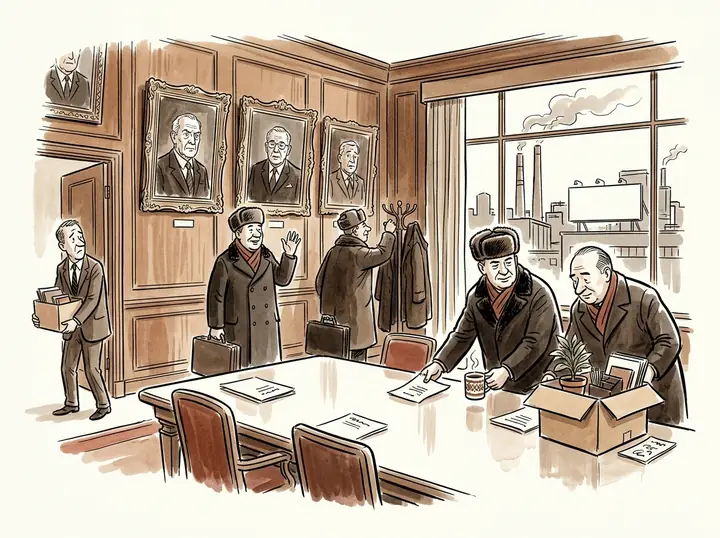
Dmitry Grigorenko, relieved by decree as Russia’s deputy prime minister, has been nominated deputy chairman of Sberbank’s board, The Moscow Times reports. In government he “led the digitalization of government affairs.” At the bank he is expected to oversee government relations and AI and digital services across the public sector. He has gone from ordering the state’s digital services to supplying them, which saves a step.
Russia’s Far Eastern city of Khabarovsk has ended direct mayoral elections, The Moscow Times reports; city lawmakers will choose from candidates the governor presents. The previous mayor stepped down after winning a State Duma seat last month. Only Abakan and Anadyr among major cities still elect mayors. The last mayor left office by winning an election, a route his successor will not need.
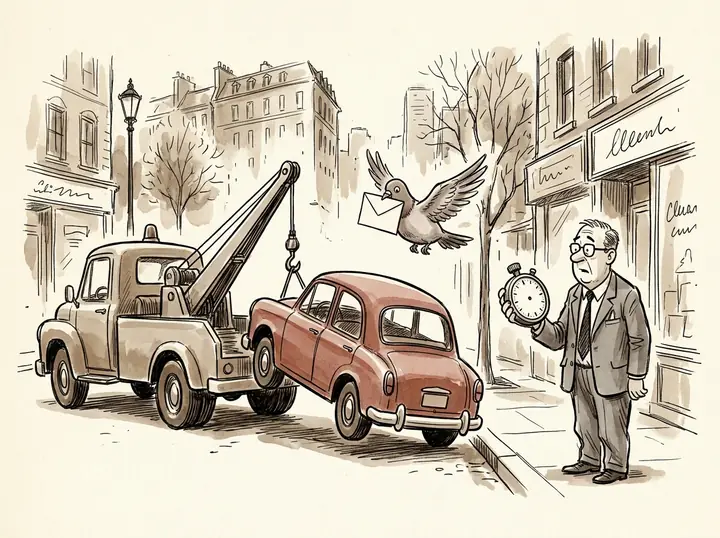
Confirmed by Russia’s State Duma on 21 October, Transport Minister Dmitry Yadrov told it that, under his ministry’s draft, towing “will be carried out only after sending a digital notification to the owner,” Izvestia reports. In August, New People deputies had asked for 15 minutes’ warning through the Gosuslugi portal. The draft names no interval, so the message and the tow truck may yet arrive together.
Russia’s State Duma on 20 October gave first-reading approval to a bill letting companies settle currency operations, and receive repatriated export earnings, in digital rubles, Vedomosti reports. Mass rollout began on 1 September. A VTB survey of 1,500 big-city residents found 42% opened an account out of curiosity and 33% for free transfers. Curiosity remains the currency’s leading use case.
Kursk, in Russia, has created an ombudsman for veterans of the war in Ukraine, The Moscow Times reports. Governor Alexander Khinshtein says it will help families with paperwork and benefits when someone “hits a dead end.” It is, he said, “the first region where such a position is being introduced on a systematic basis.” Kursk has answered the dead ends in its offices with one more office.
Russia’s central bank has clarified its crypto law, Novaya Gazeta Europe reports: from July 2027 crypto bought for rubles must come through licensed intermediaries, and banks should refuse card payments to foreign exchanges’ peer-to-peer services. Owning a cold wallet is not banned; moving coins into one from an exchange is restricted. The wallet stays legal so long as it stays cold and empty.
Russia’s prime minister, Mikhail Mishustin, has proposed making Finance Minister Anton Siluanov a deputy prime minister, a post he held from 2018 to 2020, and his first deputy, Irina Okladnikova, deputy prime minister and head of the government’s staff. President Putin backs the proposals, says his spokesman; the Duma must confirm them. In the reshuffle, the Finance Ministry dealt itself two of the cards.
Russia’s Justice Ministry has added two members of a St Petersburg street band to its register of “foreign agents”: the singer and the guitarist. The band became known for covering songs by musicians the state had already branded foreign agents; the pair have since recorded their first album abroad. The covers are now faithful to the originals in every respect, including the label.
Russia’s Digital Development Ministry has drafted an order requiring 5G smartphones to carry Kuznechik, an FSB-developed cipher, from 1 March 2032, RBC reported. It cannot be added by a software update or a new SIM card. By one estimate, 3 to 10 percent of phones in Russia can use the band assigned to 5G. The rest are already secure: they cannot reach the network.
Russia’s state sector has reached a critical size, Alexander Isakov told RBC: the consolidated budget equals 39 percent of GDP, against 32 to 33 percent in 2018 and 2019. Isakov is chief economist of the state corporation VEB.RF and heads macroeconomic research at Sber. The warning about the size of the state came from two state banks at once.
A Russian central bank survey of 11,500 companies found more of them cutting investment than raising it in the third quarter; corporate profits fell 15.7 percent in seven months, and one firm in three lost money. The economy ministry expects investment to fall 5.4 percent this year and to grow again in 2028, a forecast the minister called “largely a target scenario.” The recovery has been scheduled. The economy has not confirmed attendance.
A presidential decree has put the Russian assets of the flooring maker Tarkett, the diaper maker Ontex and three unnamed foreign packaging firms under external management. The Kremlin’s spokesman said it applies to countries “unfriendly in the full sense of the word,” and that the move “is not aimed at a change of ownership.” The owners keep everything except the company.
The head of Russia’s main business lobby said about 80 percent of Western firms remain in Russia as “socially responsible businesses,” though they “sometimes feel uncomfortable joining our platform.” Of US sanctions on his own group, he said: “we are being accused precisely of doing what we were created to do.” Washington and the lobby have, for once, issued the same statement.
A business daily reported that a draft national AI plan to 2030 proposes using artificial intelligence to block VPNs at “95% effectiveness.” The ministry replied that “the current version of the draft national plan” contains no such information. The three-year budget sets aside a record 60 billion rubles for filtering traffic. The plan says nothing; the budget is more talkative.
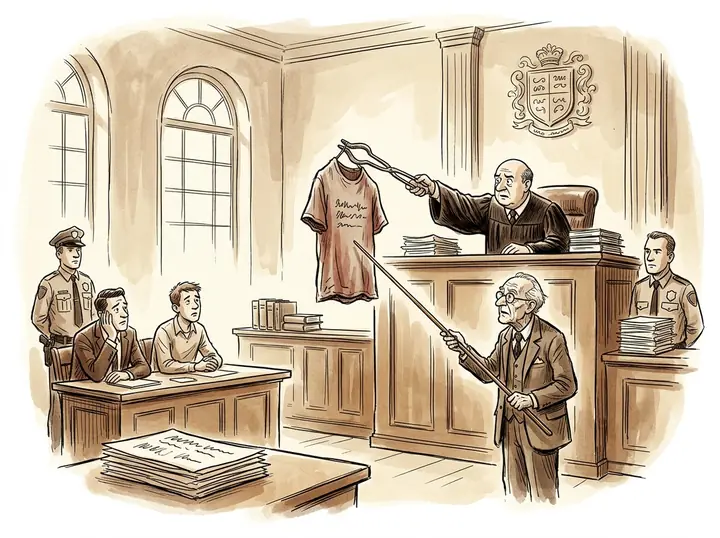
A court in Kostroma fined a former opposition candidate 1,000 rubles for “extremist symbols”: a T-shirt reading “I’m against the party of crooks and thieves.” An expert engaged by the Interior Ministry found the phrase “delegitimized the ruling party in the eyes of voters.” Nobody on the shirt was named. The court identified the party on its own.
Russia’s central bank says that from July 2027 citizens “will not be allowed to buy or sell cryptocurrency directly without state-regulated intermediaries.” Retail buyers will be capped at 300,000 rubles a year per intermediary, and the new registry lists 12 approved operators, Sberbank and VTB among them. A currency invented to need no middleman now needs a licensed one.
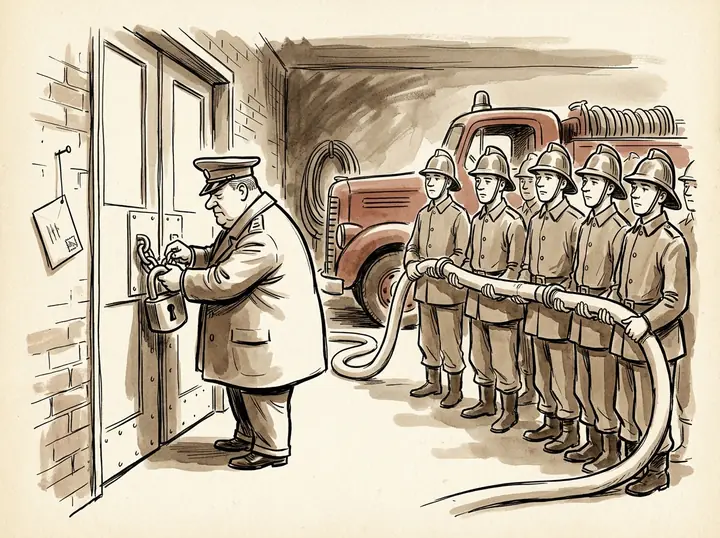
The Duma has passed in first reading a bill letting conscripts serve in the federal fire service, citing the “existing staffing shortage,” the “global geopolitical situation” and “potential threats from unfriendly countries.” The Emergencies Ministry links the shortage to an “exodus of personnel” over low pay. The cure for staff leaving over pay is staff who are not allowed to leave.
A draft order from Russia’s higher education ministry would make applicants for fee-paying places pay at least one semester before they may enrol, from March 2027, to fight “phantom” competition for places. “Advance payment will commit applicants to their choice,” the ministry says. It will also commit their parents.
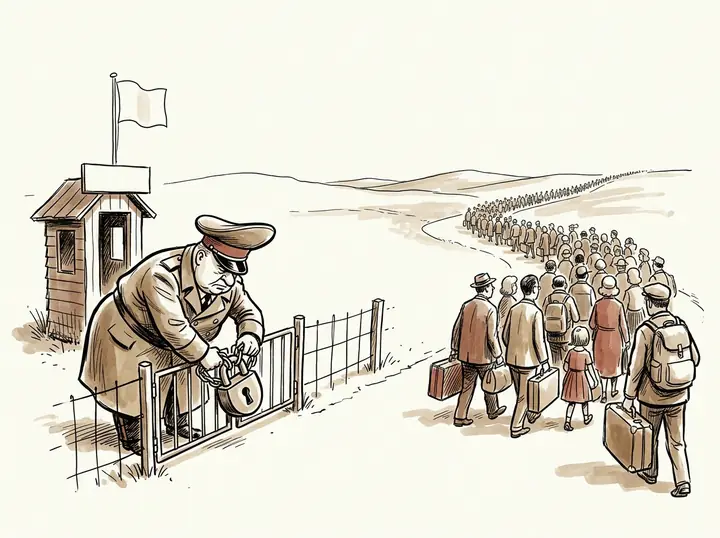
Russia will require visas from Montenegrins after Montenegro ended a visa-free agreement from 2008. “It’s pointless for Montenegro to expect Brussels to compensate them for their inevitable losses,” the Foreign Ministry’s spokeswoman said. Local media report that two-thirds of the Russians registered in Montenegro had already left. Reciprocity is complete; most of the reciprocating had been done in advance.
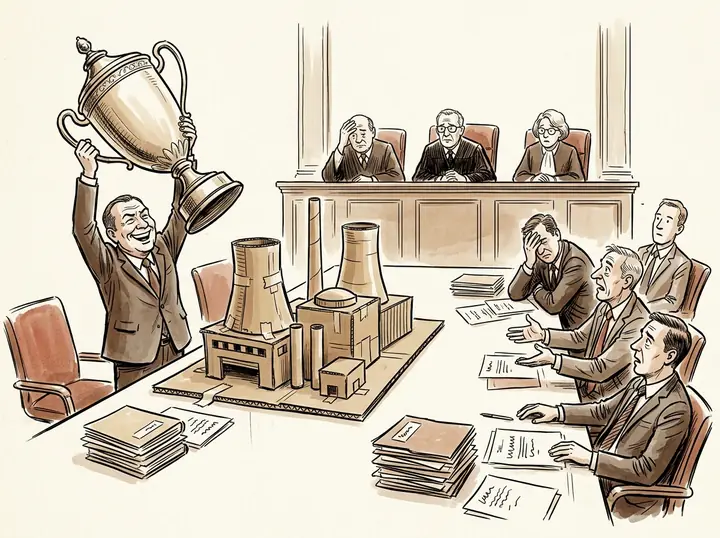
Rosatom says an international arbitration tribunal found that Finland’s Fennovoima unlawfully ended the contract for Hanhikivi-1, a €7 billion, 1.2-gigawatt plant scrapped in May 2022, and that the project was “making good progress” when it was terminated. “Today’s victory is important, but not final,” its director general said. The plant remains final: unbuilt.