Coalitions, cousins, contracts and the occasional audit, from Ankara to Muscat. Every palace and parliament gets the same treatment.
Monday, November 2, 2026
Baghdad
Under State Control
Iraq’s national security adviser, Qasim Al Abudi, told The National that Baghdad would stay “detached and neutral” if the US-Iran war resumes, and that disarming the armed factions had been “shaped into a clear national framework within just a few months.” The deadline for the weapons, once September 30, is now June 30, 2027. So far the only thing under state control is the framework.
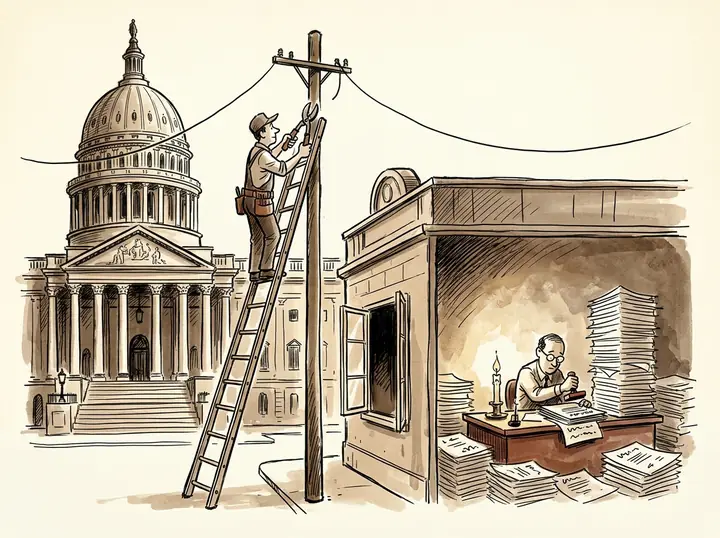
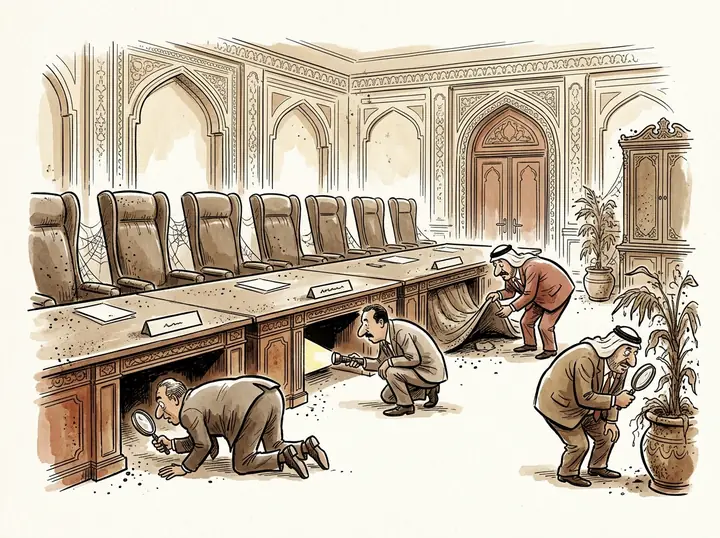
Lebanon’s state power company, Electricite du Liban, was due on Monday to cut electricity to Parliament, the Government Palace and several Internal Security Forces buildings over unpaid bills, MTV reported, after its warnings went unheeded. Also on the list is the Finance Ministry’s VAT building. The office that makes the country pay has been disconnected for not paying.
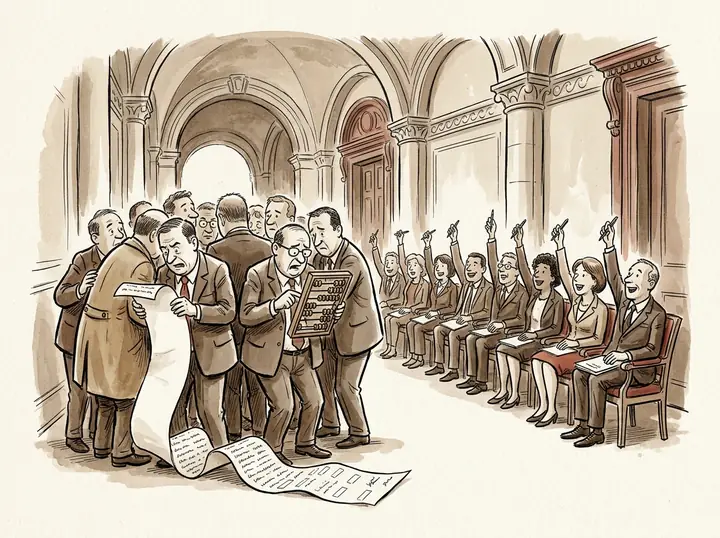
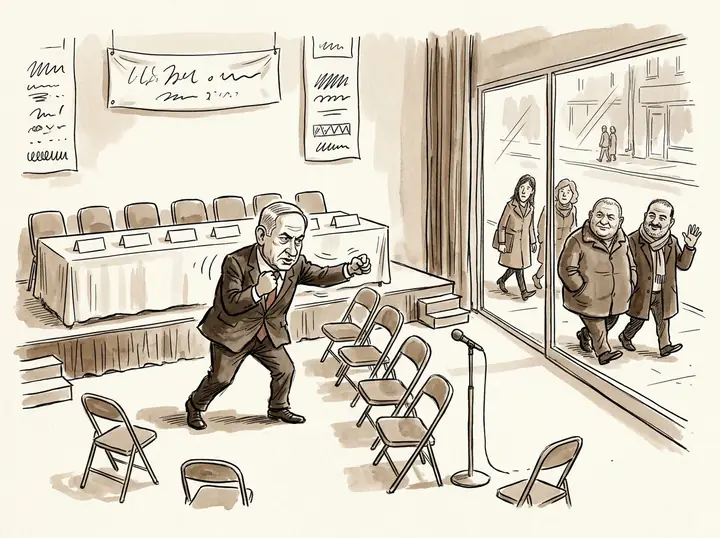
Israel’s anti-Netanyahu bloc is weighing direct elections for prime minister, Hebrew media report, so it could form a minority government “without relying on the support of Arab parties.” Amending the law requires at least 61 votes in the 120-seat Knesset. The bloc’s Zionist parties hold 48 seats. Not needing the Arab parties begins with finding 13 votes, and the bloc knows where 19 are sitting.
Egypt’s foreign minister, Badr Abdelatty, told the IISS Manama Dialogue in Bahrain that the region must move “from the logic of crisis management to the logic of building an order.” A second round of the war between Washington and Tehran, he warned, “will lead nowhere.” The first round, under way since late February, has yet to arrive.
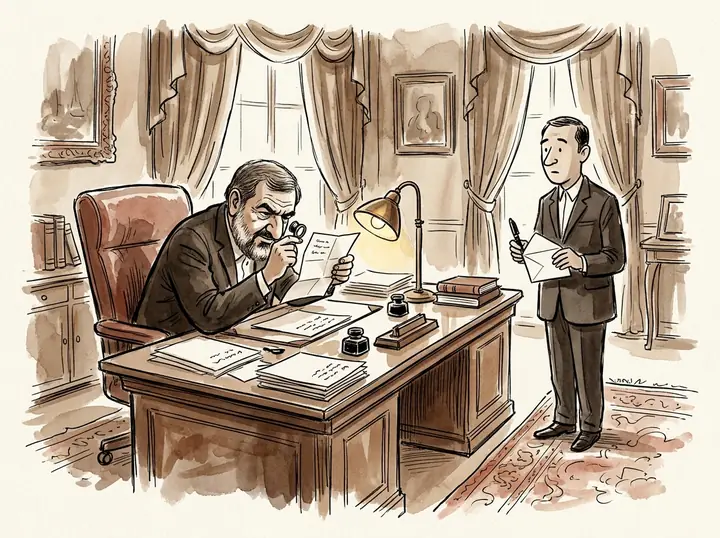
Iran’s security chief, Mohsen Rezaei, says he has studied a letter from US Vice President JD Vance and not yet answered it. “Their tone has completely changed, and this is a good sign,” he said, declining to give details because Washington has not published the contents. Tehran will discuss the tone but not the text, and the peace process now runs on handwriting analysis.
Qatar’s mediators held more than 12 hours of talks with Iranian officials in Tehran on Friday, ANI reports, and a draft framework reportedly moves any direct talks between Washington and Tehran to Doha rather than Istanbul. Washington reportedly wants nuclear concessions before talks resume; Tehran wants the naval blockade lifted first. Neither side has agreed to move first, though Istanbul has already been moved.
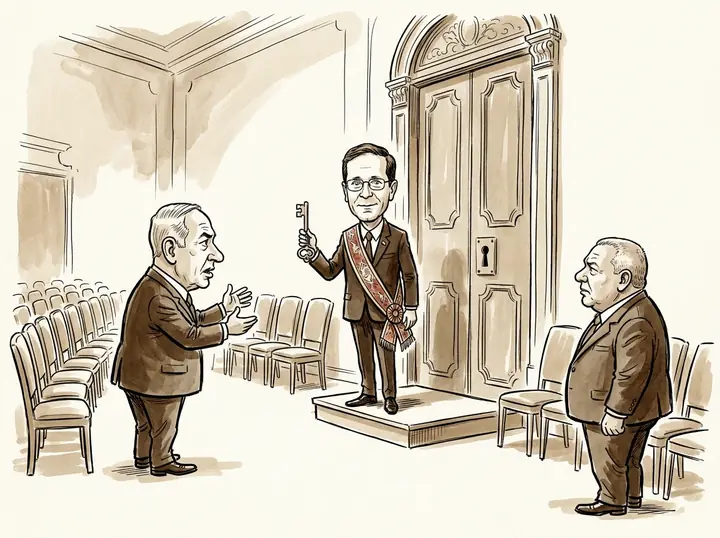
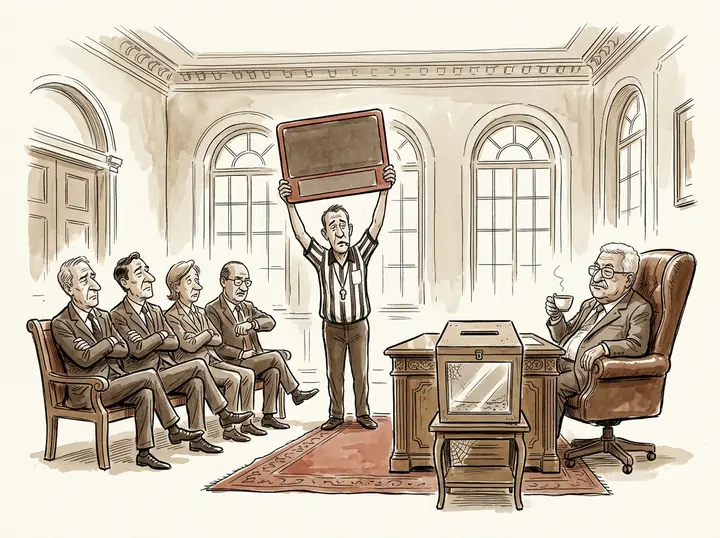
Israel’s president, Isaac Herzog, holds an office Kuwait Times calls “largely ceremonial”, yet he alone picks who first tries to form a government. With about 86% counted, Benjamin Netanyahu’s bloc had 53 of 120 seats and Gadi Eisenkot’s 48. Herzog says not even the president of the United States can intervene in his discretion. The election produced no majority, except in the one office nobody stood for.
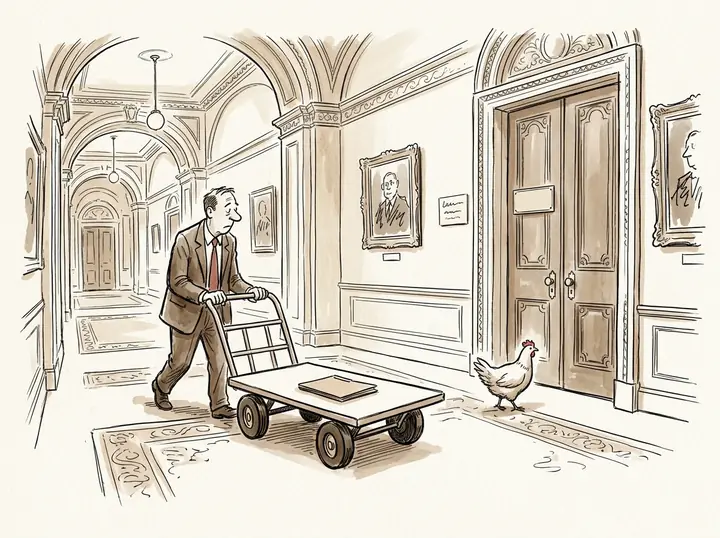
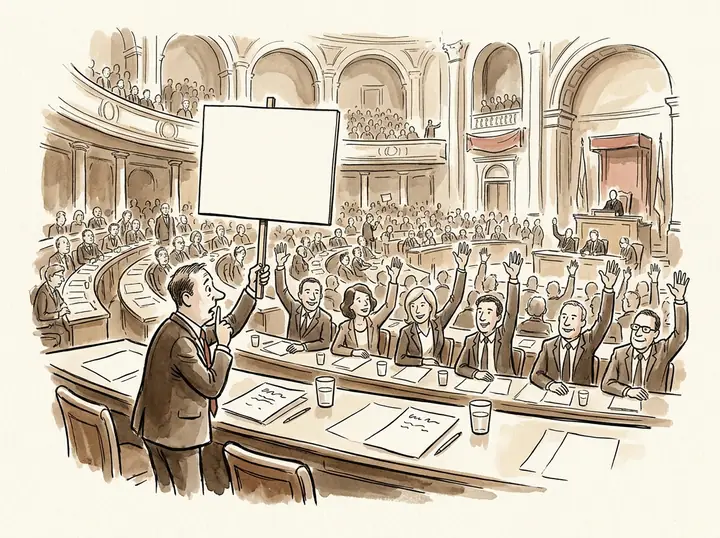
Iran’s parliament has an impeachment motion against the agriculture minister, citing “rising food prices” and “poor management of poultry prices”, that was filed two months ago and has “yet to reach the relevant committee,” Iran International reports. On Sunday a deputy chairman of its Article 90 Commission, Hosseinali Haji Deligani, urged colleagues to move it. The charge is mismanagement, and the motion has spent two months demonstrating it.
Turkey’s New Party is taking to the European rights court the ruling that removed Özgür Özel as CHP chairman, Turkish Minute reports. An Ankara court declared his election congress an “absolute nullity” and reinstated Kemal Kılıçdaroğlu; Özel calls it political interference. Özel and 90 deputies then left, taking 91 seats and leaving the CHP 44. The court ruled the congress void, and the party it handed back has been heading the same way since.
Saudi Arabia’s giga project contract awards fell from $31.7 billion in 2023 to $26.7 billion in 2024 and $13.6 billion in 2025, MEED figures reported by Skift show, and stand at $10.6 billion so far this year. The government says the programme will remain a priority for the next 30 to 40 years. Priorities in Riyadh are set by the decade and funded, lately, by the half.
With 76% of Israel’s votes counted, Benjamin Netanyahu’s bloc was on track for 54 seats, seven short of a majority, Al Jazeera reports. Official results are due on 4 November; President Isaac Herzog then nominates a prime minister, who has up to 42 days to form a government. Netanyahu’s cabinet stays on as caretaker meanwhile. The one government certain to be in office in mid-December is the one that just failed to win a majority.
Benjamin Netanyahu and Gadi Eisenkot have each vowed to form Israel’s next coalition, The Times of Israel reports, though exit polls left both short of the 61 seats needed. Netanyahu claimed a “clear, decisive majority among the Zionist public.” Eisenkot replied that Netanyahu faces “a larger and stronger Zionist, responsible majority.” Each man has now won a majority of the same part of the electorate; the Knesset, inconveniently, seats all of it.
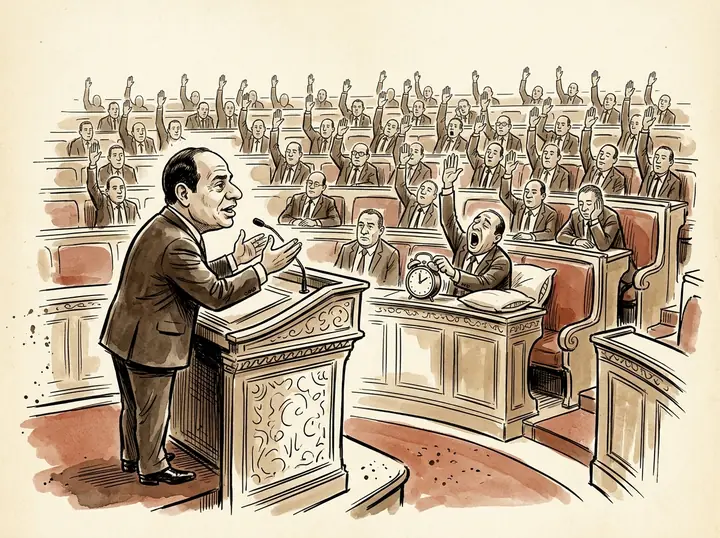
Egypt’s parliament has authorised President Abdel Fattah el-Sisi to give Saudi Arabia military support, should Riyadh request it, Al Jazeera reports. El-Sisi says any action would be limited to protecting Saudi territory, not attacking Yemen. Former diplomat Hussein Haridy called the mission “purely defensive in the sense it’s not directed at any party in the region.” The army will defend Saudi Arabia from an enemy nobody will name, based in a country it has promised not to attack.
Israel’s three mainstream television channels gave the current coalition parties 50 seats in their exit polls, according to The Times of Israel. The staunchly pro-government Channel 14 gave Benjamin Netanyahu’s bloc 60, one short of a majority and, in the paper’s words, “a whopping 10 seats” ahead of the rest. The prime minister is a single seat from governing, provided the Knesset sits in Channel 14’s studio.
Iraq’s draft 2027 budget, the largest in its history at about 217.2 trillion dinars, assumes oil at $58 a barrel and exports of about 4 million barrels a day, The National reports. October exports are running near 3.4 million. The draft says its 43 trillion dinar deficit will be covered by oil price or export surpluses. The shortfall, in other words, is to be paid out of the money whose absence caused it.
Israel votes on Tuesday, and the three final polls, from Channel 12, Channel 13 and Kan, agree that neither Benjamin Netanyahu’s coalition nor the so-called change bloc reaches the 61 seats needed to govern. Polls may not be published from Saturday onward. The coalition scored 50 seats in all three, a consistency it rarely managed in office.
Saudi Arabia’s defence minister, Prince Khalid bin Salman, is leading a delegation of Makkah pact countries to Tehran to “ease regional tensions”, a Saudi official told Al Arabiya. Iran says the meeting with Saudi Arabia, Pakistan and Turkey could strengthen regional security ties. The Houthis, meanwhile, said they had attacked Saudi oil pumping stations. Easing tensions has been entrusted to the one minister whose office exists in case they do not ease.
Turkey has asked its parliament to ratify the Mecca Joint Defense Agreement with Saudi Arabia and Pakistan, under which an attack on one is an attack on all three. A clause AP calls a surprise bars any party from leaving for 10 years, and then requires three months’ notice. Pakistan has not sought parliamentary endorsement. Turkish deputies get a vote on the ten years; Pakistan’s will learn of them by serving them.
Iraq ran a deficit of $20.02 billion between January and August, according to Finance Ministry data reported by Shafaq News, on spending of $49.86 billion. Employee compensation took $26.97 billion. Capital expenditure, the money that builds things, came to $19.8 million. Eight months of building would cover the state payroll for about four hours.
Iraq’s political blocs are discussing a new ministry for artificial intelligence, a former lawmaker tells Shafaq News, though a government source calls it “not an approved government project.” Nine of Prime Minister Ali al-Zaidi’s 23 ministries are still run by acting officials five months into his premiership. The government is short of nine ministers and proposes to solve it with a tenth.
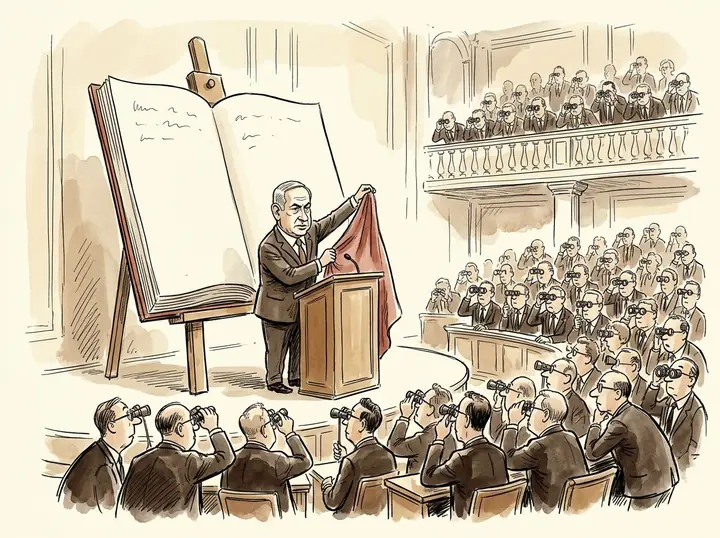
Benjamin Netanyahu, Israel’s prime minister, wants the country to prepare its economy and banks for harsh global sanctions. Banking sanctions, he said, would require an alternate economy able to get around them, with blockchain among the options, and he has asked for a plan. For slipping quietly past the world’s bankers, he has chosen a ledger built so that the whole world can read it.
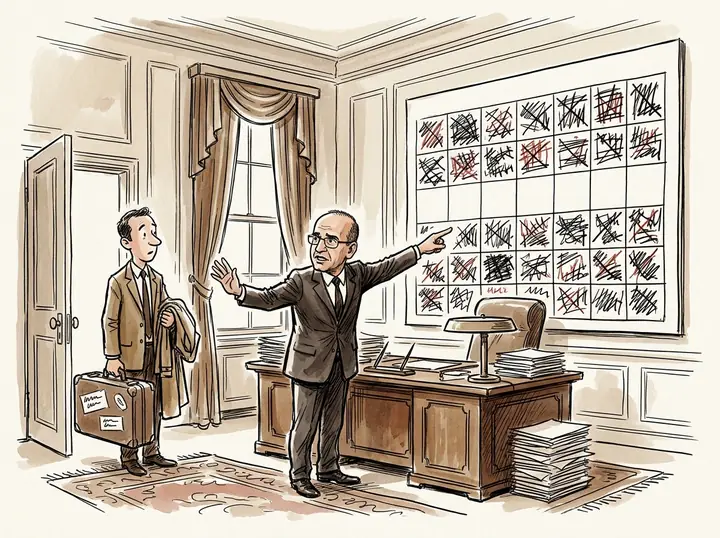
Turkey’s finance minister Mehmet Şimşek skipped the IMF and World Bank annual meetings in Bangkok, telling Bloomberg he was needed for an intense budget calendar. The 2027 budget reached parliament on 16 October. Its committee debate was set to open on 21 October with a presentation, then give members a week to prepare. The intense calendar’s first entry, after the speech, is a blank week.
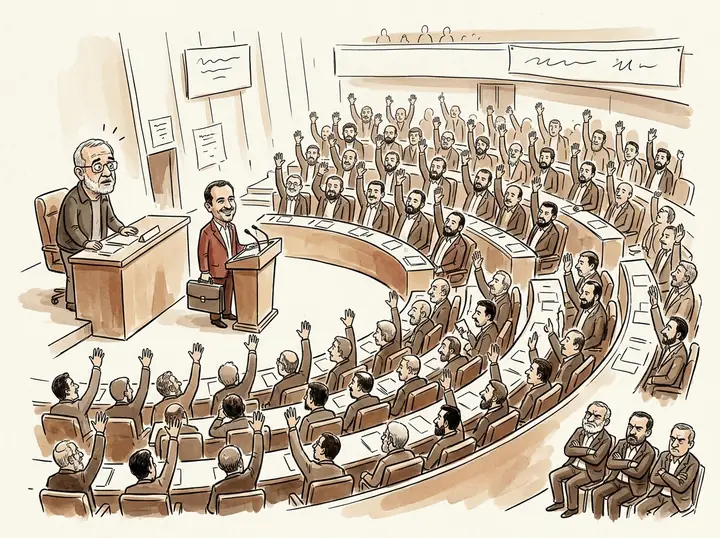
Iran’s conservative-dominated parliament voted 237 to 15 on 18 October to confirm Mehrdad Akhlaqi as defence minister, Amwaj reports. He was nominated by President Masoud Pezeshkian, a Reformist, and is a veteran of missile production. A Reformist president has at last found the bridge to a conservative parliament, and it runs through a missile factory.
Egypt’s House of Representatives has adjourned its vote on authorising military support for Saudi Arabia to 26 October, Al Jazeera reports. The Egyptian Social Democratic Party told its lawmakers to abstain, citing too little information on the mission. Two of its MPs told AFP most of its members back the measure. The party is abstaining for lack of information; most of its members have enough to vote yes.
Israel’s prime minister, Benjamin Netanyahu, has told Israel National News next week’s election is a choice between “me and Trump, or Eisenkot and Abbas,” the second being a government of “the left” and Arab parties. Most mainstream anti-Netanyahu parties, Gadi Eisenkot’s included, have ruled out relying on Arab factions, The Times of Israel notes. He is campaigning against the only coalition in the race that its own members have already turned down.
Syria’s president, Ahmad al-Sharaa, has named a new industry minister, partly undoing the March 2025 merger into one Ministry of Economy and Industry. Decree 189 gives no details on how the work will be divided between the two, The Syrian Observer reports. Deciding who does what is now a job for both ministries, which is to say for neither.
Benny Gantz has pulled Blue and White out of Israel’s 27 October election eight days before the vote, with his party polling far short of the Knesset threshold. “The responsibility is mine,” he said. The withdrawal came too late to take the party off the ballot. Nobody could tell the ballot paper in time, so it will go on campaigning without him.
Qatar has proposed two 825-megawatt gas plants for Lebanon within three years, Reuters reports. The state power company supplies a few hours of electricity a day, and earlier reform plans “repeatedly stalled due to political bickering.” The three years apply if approvals come quickly. Engineers can raise a power station in three years. The “if” has been under construction in Beirut since 1990.
Israel’s national security minister, Itamar Ben Gvir, says the Prime Minister’s Office “has committed to countries in the European Union” to keep his Otzma Yehudit party out of the next government. “I was in shock,” he said. Likud called it “false political spin”. In Ben Gvir’s telling, coalition talks have already begun: early, abroad and without him.
Turkey’s elections are due in May 2028, and Mehmet Uçum, chief adviser to President Erdoğan, says it is “now largely clear” they could be in March or April. Under the constitution, a second-term president may run again only if parliament calls an early election, with 360 of 600 votes; his alliance holds 331. Early, in this case, is measured not in weeks but in terms.
Donald Trump has given Benjamin Netanyahu his “complete and total endorsement” for Israel’s 27 October election, three days after saying he had not “even thought about” backing anyone. The wrong leader, he wrote, “would be anyone other than Bibi.” Gadi Eisenkot said he had requested “that there be no intervention in Israel’s internal election.” Nine days before polling, the count in Washington is complete.
Iran’s parliament speaker, Mohammad Bagher Ghalibaf, announced on X that “The Persian Gulf Data Authority is coming,” without saying how it would operate. A week earlier Mohsen Rezaei, secretary of the security council, said undersea cables and data centres could be targeted. Most regulators open with a consultation paper. This one has opened with the cables.
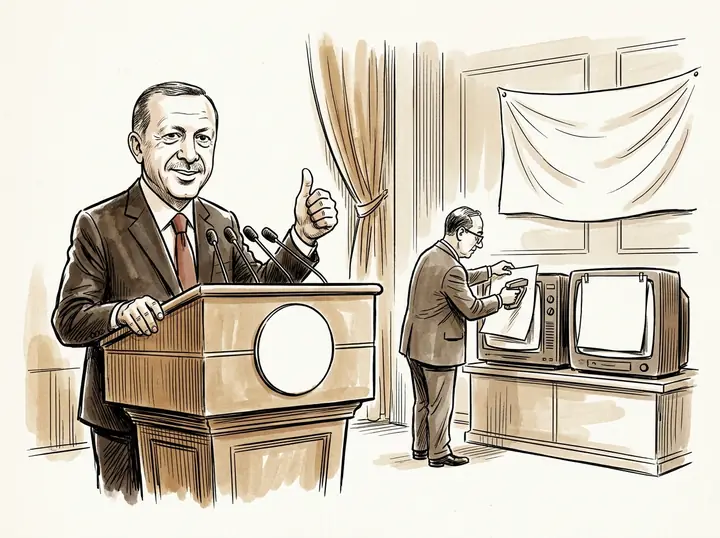
Turkey’s President Erdogan declared the investment fund crisis under control on Friday, as the markets regulator sought prosecution of 37 people, one a former ruling-party lawmaker. The same day the broadcast regulator RTÜK fined Sözcü TV and Koza TV over broadcasts questioning government figures’ links to the scandal. Under control, in the sense that the questions are now being fined.
Egypt’s President Abdel Fattah El Sisi asked parliament on Saturday for an emergency session to authorise Egypt to defend Saudi Arabia, should the kingdom ask. “I am not speaking about attacking or waging war,” he said. The House of Representatives announced it would meet on Sunday. The chamber has been given a full night to make up its mind.
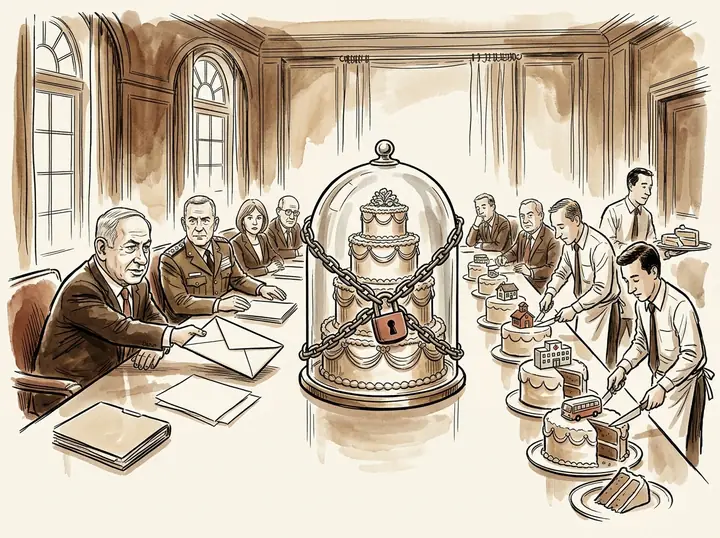
Israel’s government, nine days from polling day, took up a 4.9 percent cut to ministry budgets, NIS 2.6 billion, for what the proposal calls “classified procurement to equip the Defense Ministry.” Education, health, welfare and transportation share the cut; coalition funds are left untouched. The shopping list is a state secret. The coalition funds were protected as if they were on it.
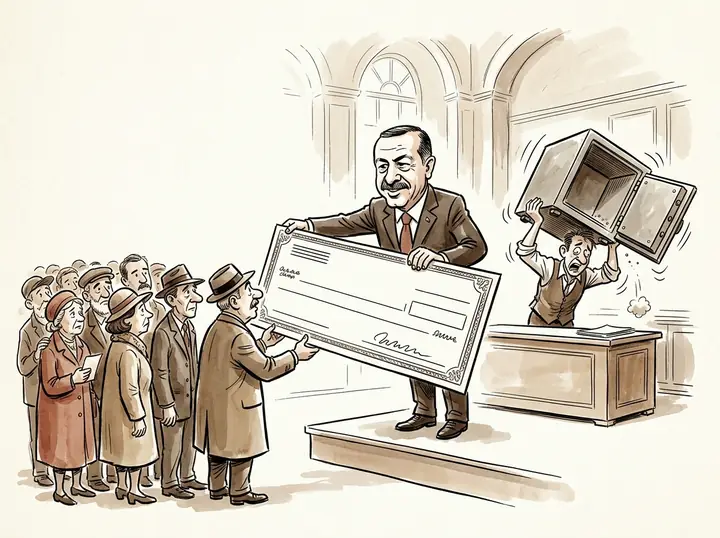
Turkey’s President Erdogan has promised investors in 131 liquidated funds interim payments of up to 1 million lira each, with “a substantial proportion” paid in October once parliament passes the bill. Under the bill, the money comes from fund assets and recovered cash, not the Treasury. It is a presidential promise, payable by the funds that could not pay.
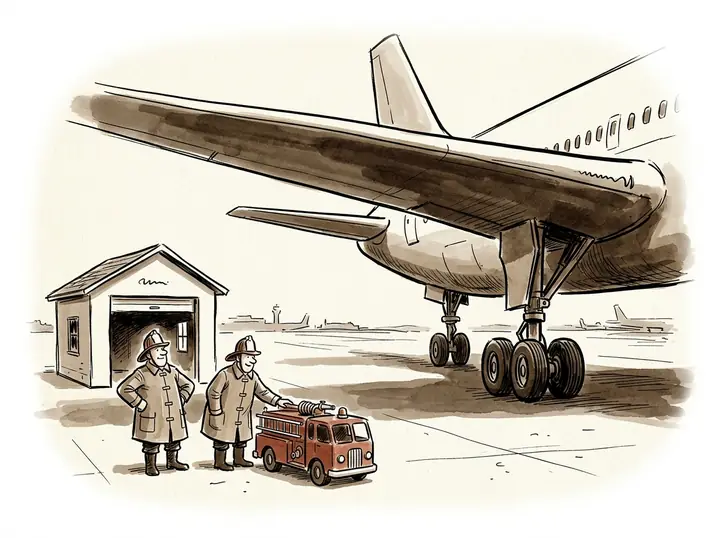
A UN aviation agency report, described by Reuters, finds that Lebanon’s Beirut airport lacks valid certification and has no emergency plan. Its firefighting covers single-aisle aircraft, not the twin-aisle jets used on long-haul routes. The transport minister says certification work begins on Saturday. Washington has just allowed direct flights to America, the one trip the fire engines are not sized for.
Palestinian Authority President Mahmoud Abbas has postponed the legislative elections promised for 2026 and the presidential vote promised for 2027, commitments made in a letter to Emmanuel Macron. France, the UK, Australia and Canada asked him on 13 October to reverse the decision. He was elected in 2005 for a term ending in 2009, and is now in his seventeenth year of extra time.
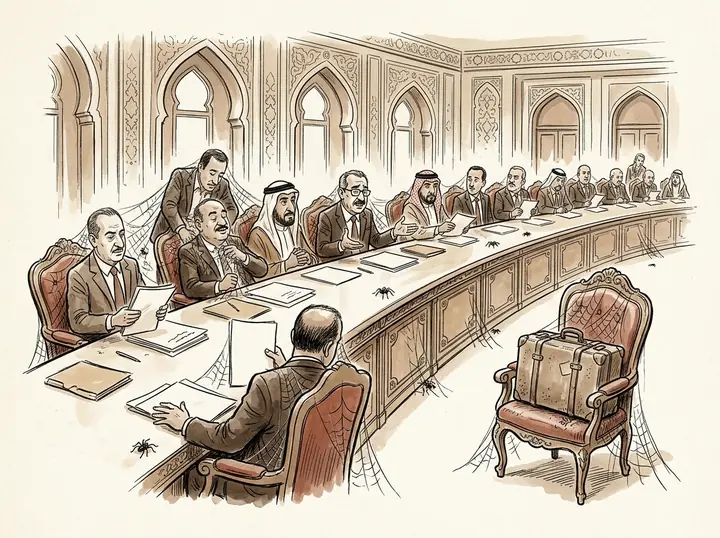
Iraq’s parliament approved 11 posts late on 15 October, completing Prime Minister Ali Al Zaidi’s government five months after he took office. The new interior minister is Nouri Al Maliki’s son-in-law, and one of three deputy prime ministers, Laith Al Khazali, is under US sanctions. The vote on a minister for migration and displacement was postponed for want of agreement. Al Zaidi promised “accelerated, diligent work.” The ministry for people on the move has not moved.
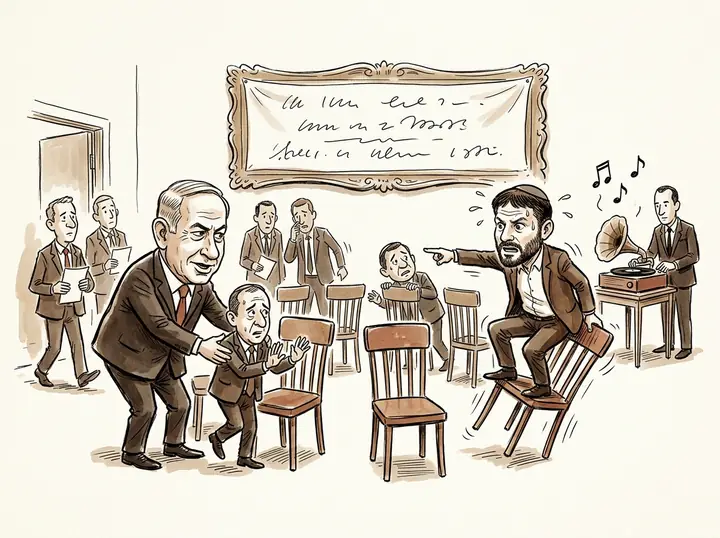
In Israel, Prime Minister Netanyahu’s Likud and its allies are pressing smaller right-wing parties to quit the 27 October election, fearing votes lost below the 3.25 percent threshold. A candidate on Ofer Winter’s slate withdrew on 13 October, and a newly formed party is reportedly under pressure too; it replied that “there is no point in pressuring” it. Among those showing others the exit is Bezalel Smotrich, whose own party is standing in it.
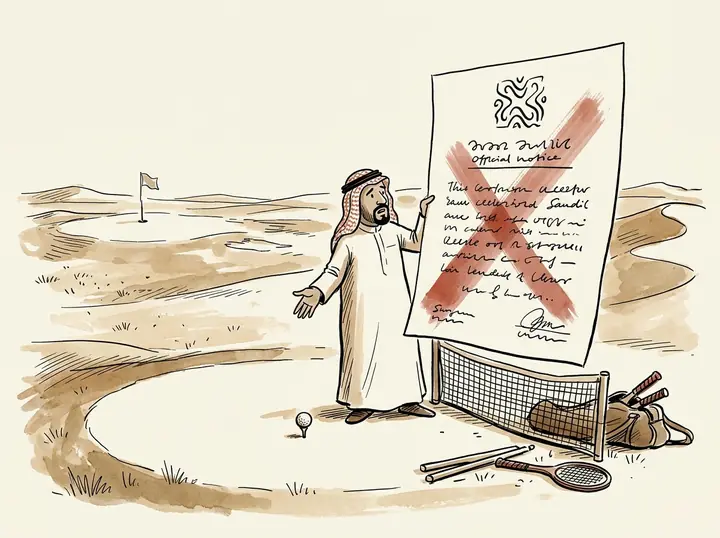
Saudi Arabia’s Saudi International, the Asian Tour’s season finale, due in Riyadh from 18 to 21 November, has been postponed with no new date; the organisers cited “logistical challenges.” A day earlier, the Six Kings Slam tennis exhibition was moved to December. Two fixtures, one excuse. The excuse, at least, was ready on time.
Five months after Iraq’s government was approved, nine ministries, interior and defence among them, are still empty. On 15 October parliament was due to vote on filling them and on four new deputy prime minister posts, a rank abolished in 2018. The prime minister says the new posts carry no salaries; a rival coalition calls that “an attempt to mislead the public.” Iraq cannot find a defence minister, but has found four deputies to help look.
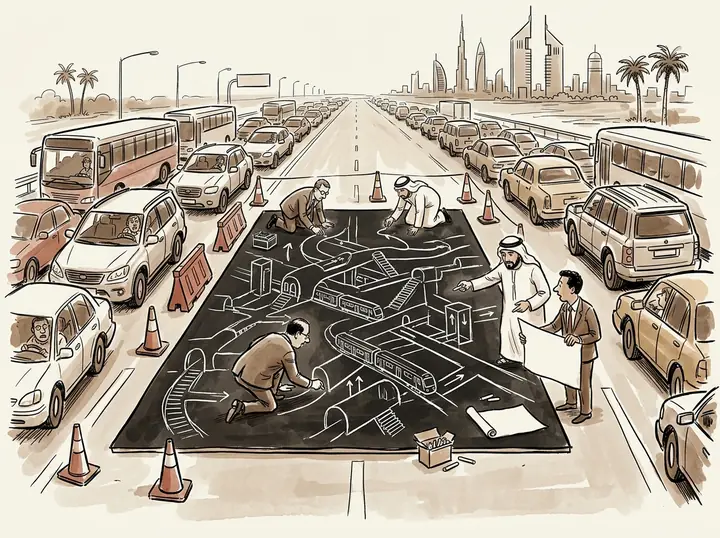
Dubai’s transport chief has unveiled plans for an integrated underground network to move people, goods and services, which a team at the roads authority is now examining. “The Dubai of the future will be a city that moves in three dimensions,” he said. The city already logs more than 11 million road journeys a day. For the moment, the third dimension is a study.
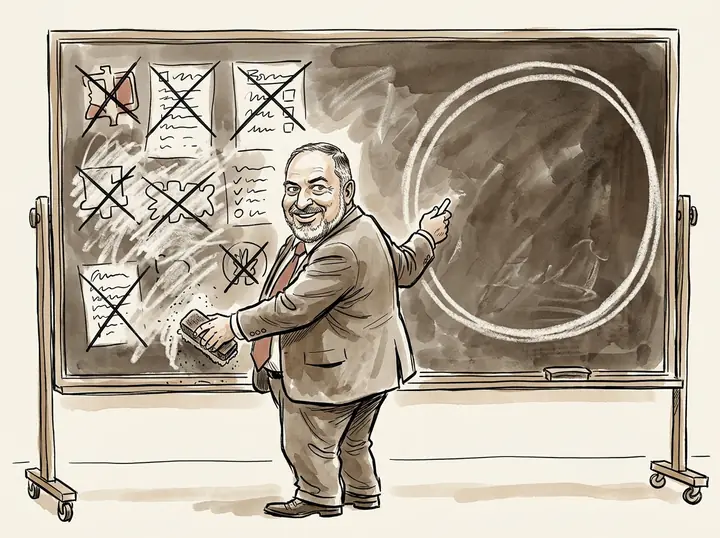
Avigdor Liberman’s Yisrael Beytenu promises a coalition of “Zionist parties only,” rules out a minority government, and will not sit with Netanyahu “even if the world turns upside down,” though Likud without him could be a partner. Polls show neither bloc near 61 of the Knesset’s 120 seats before the 27 October election. He predicts a solid majority anyway. Coalition arithmetic in Israel: subtract everyone, then announce the total.
Saudi Arabia’s cabinet has merged the kingdom’s foreign trade authority with the Saudi Export Development Authority, to form the General Authority for Foreign Trade and Export. Anything needing regulatory changes must be submitted within 180 days. Two authorities became one, and the first efficiencies were the words “Saudi” and “Development.”
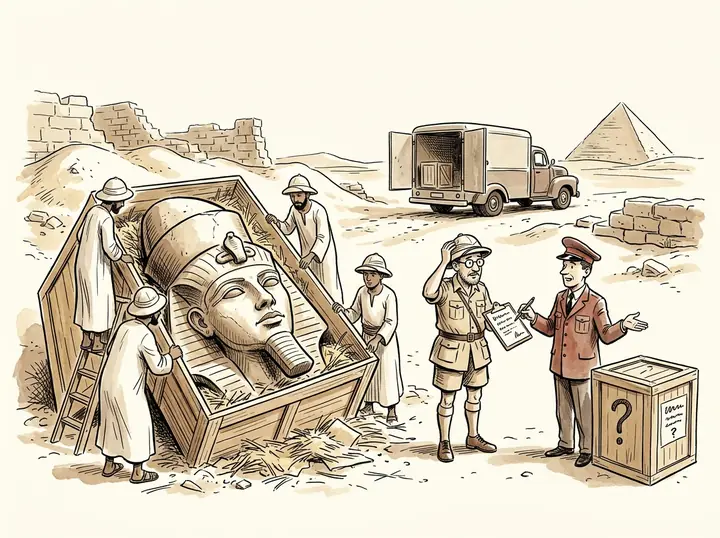
A dig in Egypt’s Gharbia has found pieces of two colossal statues of Ramses II, one head 1.60 metres tall, the second statue still missing its legs. The pharaoh is arriving in instalments.
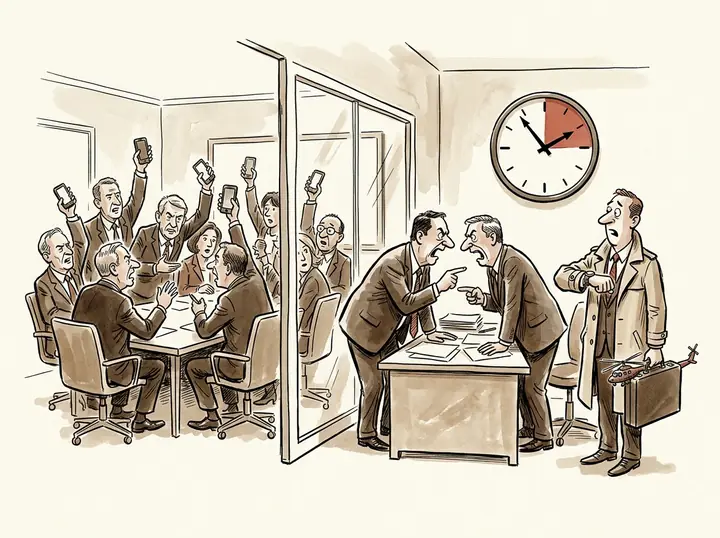
Israel’s ministers approved, by telephone vote, nearly NIS 1 billion for an “urgent classified procurement” of 12 Apache helicopters, taken from the five-year investment plan for the country’s Arab community. Reports say the defence and finance ministries argued long enough to miss Boeing’s deadline, so delivery may slip by years. The purchase was urgent enough to fund by phone and not urgent enough to sign on time.
Israel’s prime minister, who had called it fake news, now confirms that Egypt’s then intelligence chief visited Israel before 7 October 2023, but says they did not meet: “He didn’t meet with me because I was attending a memorial ceremony for fallen IDF soldiers.” He added: “Since when does an intelligence chief speak with a head of state?” The story went from false to true but irrelevant in one interview, which in an election month counts as a ceasefire.
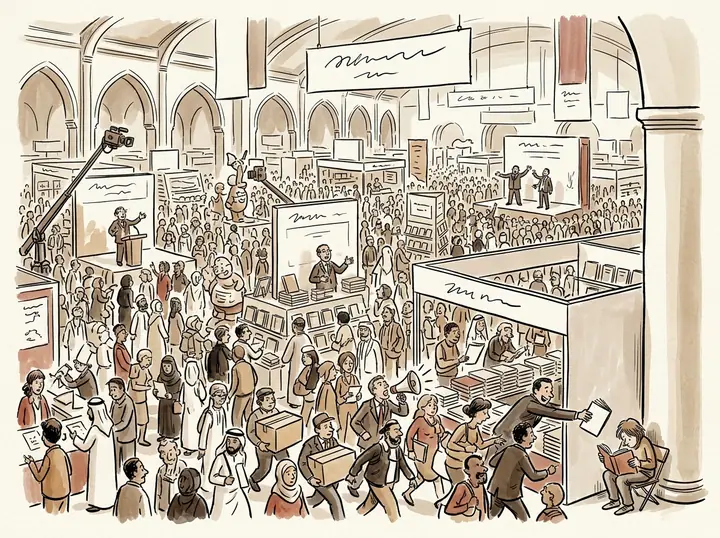
The Sharjah Book Fair expects 2,673 publishers and exhibitors from 124 countries and 1,500 events in twelve days. No hour appears to have been set aside for reading.
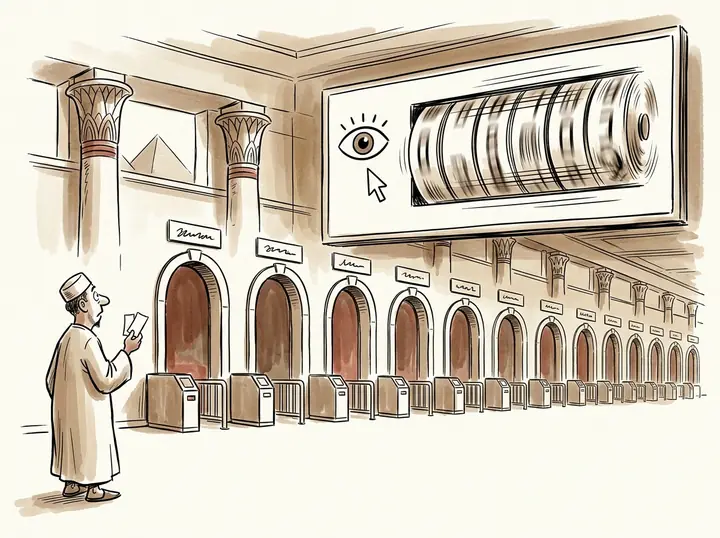
The website for Egypt’s national forum has passed 12 million views. Citizens may attend up to two of its 13 sessions, and the government promises an exchange of views. The exchange rate has been fixed at two sessions.
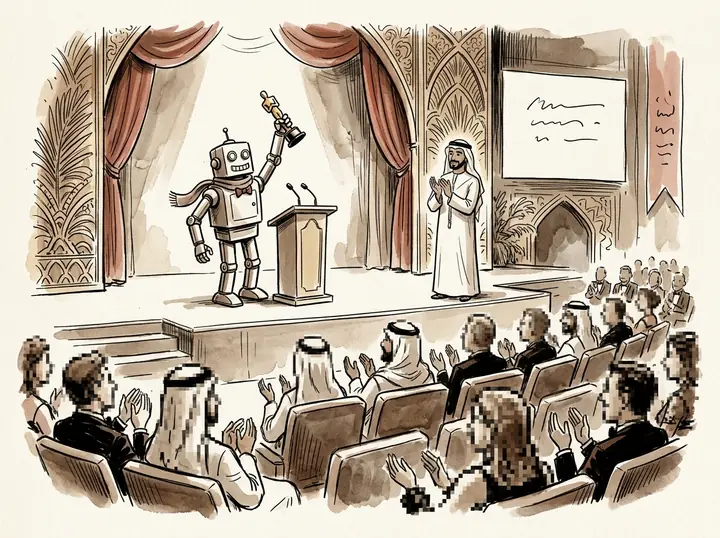
A $1 million award for AI-made films is open for entries. At least 70 percent of each film must be generated by AI, and one of the themes is fake news and misinformation. A strong field is expected, much of it convincingly real.
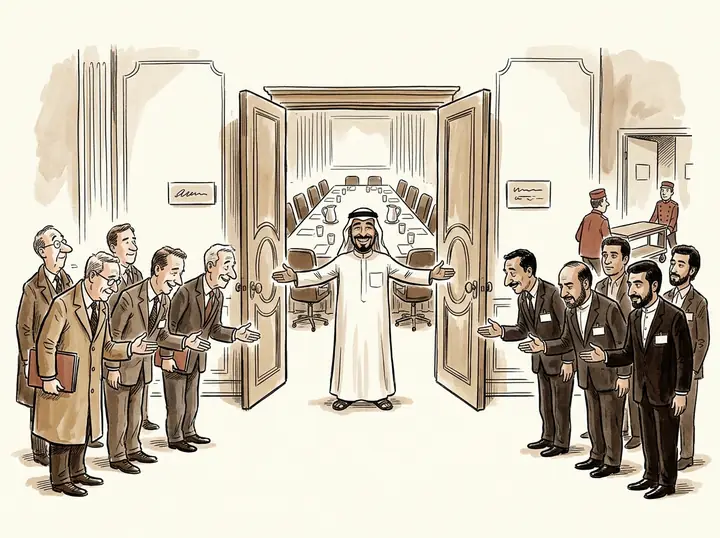
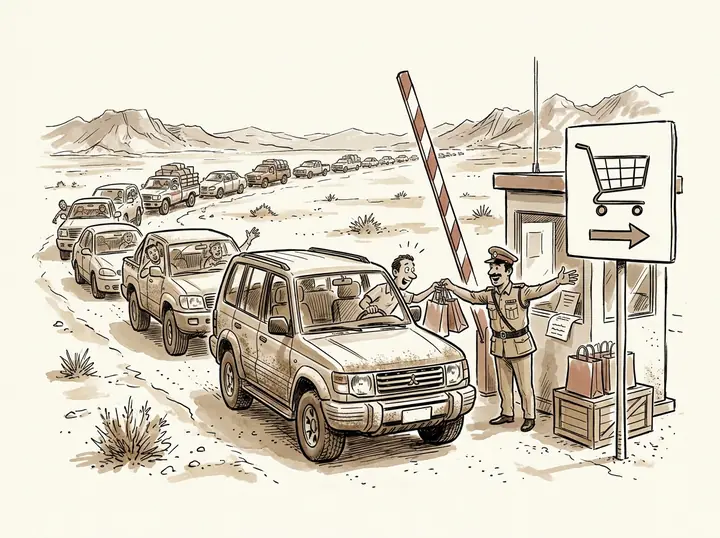
Oman will open duty-free markets at three land crossings, two on the border with the UAE and one with Saudi Arabia, under a decision signed by the inspector general of police and customs. The stated aims are economic diversification, investment and tourism. The head of customs has diversified the economy by announcing where customs will not apply.
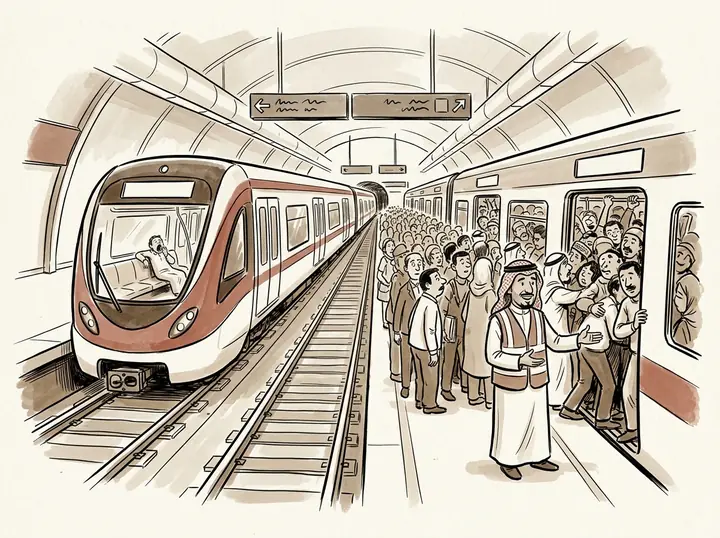
Riyadh is buying 94 metro trains for nearly 5.5 billion riyals. Capacity on the Red Line will rise 142 percent; on the Purple Line, 16. The Purple Line has been asked to be patient, and to stand a little closer together.
Syria’s president decreed in January that Kurdish is a national language and may be taught in schools in Kurdish-populated areas. Students and teachers in Hasakah, Qamishli and Kobani are now protesting an Education Ministry decision limiting that teaching. Raising decentralisation in Syria, a Kurdish member of parliament says, is “like we’re talking about the devil.” Damascus has granted a right and assigned a ministry to ration it.
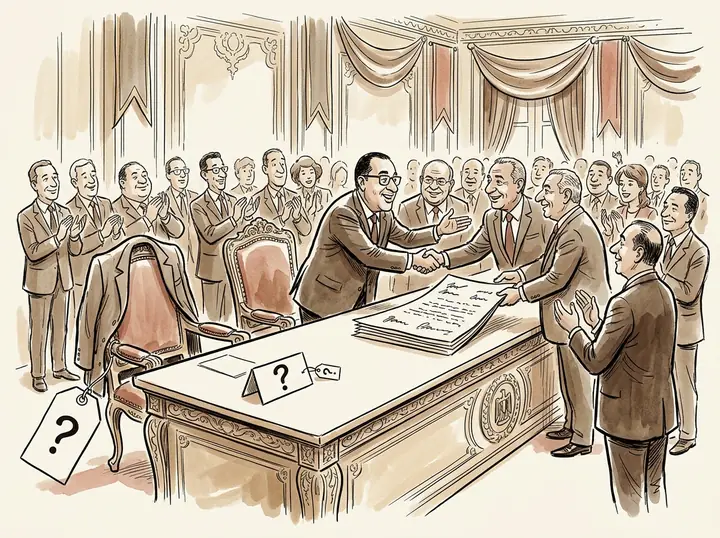
Egypt’s Prime Minister Mostafa Madbouly attended the signing of a deal handing 415 feddans of long-stalled land in 6th of October City, the old Dreamland site, to Hyde Park Developments, from a company owned by two state banks. The housing minister said it “resolves a longstanding issue.” No price, investment figure, unit count or timeline was disclosed. The prime minister came to witness a sale. The price stayed home.
President Trump has revoked four US determinations, from 1985 to 2007, restricting flights between the United States and Lebanon. President Joseph Aoun called it “a sign of confidence in the measures taken by the Lebanese state to guarantee the security of civil aviation.” Direct commercial flights will not resume immediately. After 41 years, Lebanon has permission for a flight it does not have.
Israel’s Channel 12 has aired what it says is a transcript of the prime minister’s chief of staff, Tzachi Braverman, asking a stenographer in January 2024 to move a logged call with Netanyahu on 7 October from 6:40 to 6:29. “Tzachi, I’m prohibited from changing it,” the stenographer replied, the report says. Braverman has not been charged in this matter and says he never claimed a 6:29 call. The only unbending thing in the building was the stenographer.
Mohsen Rezaei, Iran’s top security official, calls the US reply to Tehran’s seven conditions for reopening the Strait of Hormuz “insufficient,” and announces: “We are no longer in the process of responding to the Americans.” In the next breath: “They must clarify the issues that remain ambiguous to us.” The talks are over, and Washington’s homework is now overdue.
Iraq’s Moqtada al-Sadr dissolved his Saraya al-Salam and Promised Day Brigade on 30 September, the day US troops left; the fighters are expected to join the state’s security forces. The disarmament deadline for every other armed group has slipped to next June. Folding fighters into government institutions, says a Chatham House analyst, “does not necessarily resolve questions over their loyalties.” In Iraq a militia is never abolished. It is put on salary.
Forty mayors from Turkey’s main opposition CHP have been arrested since the March 2024 local elections, by one channel’s count, some since released; on 6 October courts ordered four more held pending trial, including Mersin’s. The next day the CHP mayor of İzmir joined the ruling AKP. The government says the courts are independent. An opposition mayor in Turkey now has two career paths, and only one requires a lawyer.
Turkey’s ruling AKP and its MHP ally voted down all five opposition requests for a parliamentary inquiry into the 131 investment funds ordered liquidated in September, affecting 455,758 investors. Investigations were already under way, an AKP deputy chair argued. Prosecutors’ findings, reported the same day, say 214 investors who sold in time gained about $3.8 billion; their names have not been disclosed. Parliament declined to look, because someone else was looking.
Four of the world’s ten megaprojects costing $100 billion or more are in the Gulf, The National reports from a Statista ranking: Neom and King Abdullah Economic City in Saudi Arabia, Kuwait’s Silk City and the GCC railway. The figures are estimated costs, not money spent. Neom was announced in 2017 at $500 billion. In the Gulf a project’s size is measured by what it will cost, and its progress by what it might.