Consensus, surpluses and very polite scandals, from Copenhagen to Nuuk. The happiest countries on earth, audited.
Monday, November 2, 2026
Copenhagen
Free Votes, Results Supplied
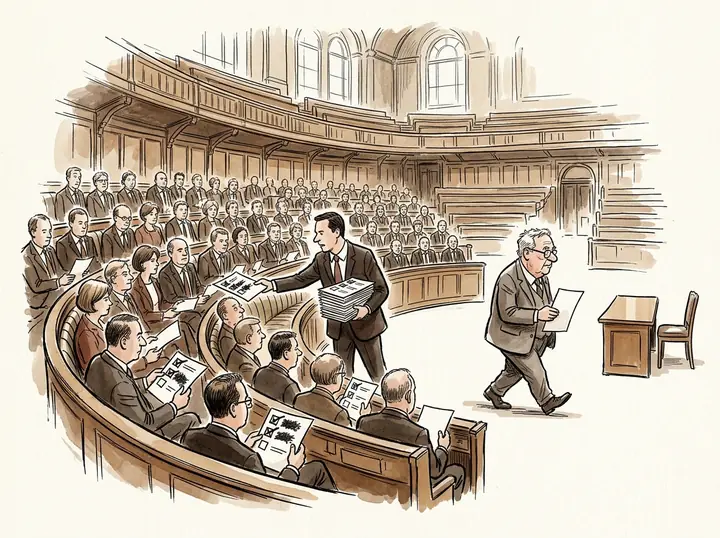
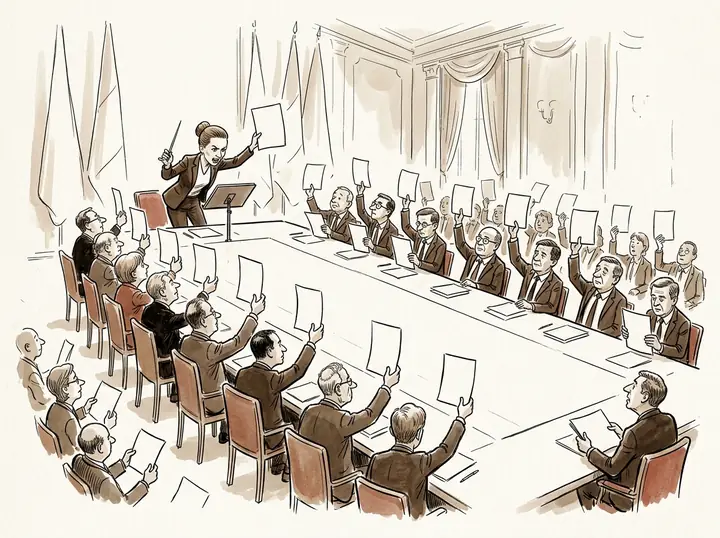
Denmark’s Liberal Party has expelled senior MP Preben Bang Henriksen after he refused to promise to follow the party line in future votes; he stays in the Folketing as an independent. “The conclusion after a vote was that I should be excluded,” he said. The party has nothing against voting, provided it is told the result beforehand.
Eight Nordic government leaders have signed the “Marienborg Manifesto” to protect children and young people from tech giants they say harm concentration, learning and well-being, and it goes to the Nordic Council of Ministers in Helsinki. The plan is to coordinate law proposals and present a united front. Screens, the leaders agree, ruin concentration. Their remedy is a meeting of eight governments.
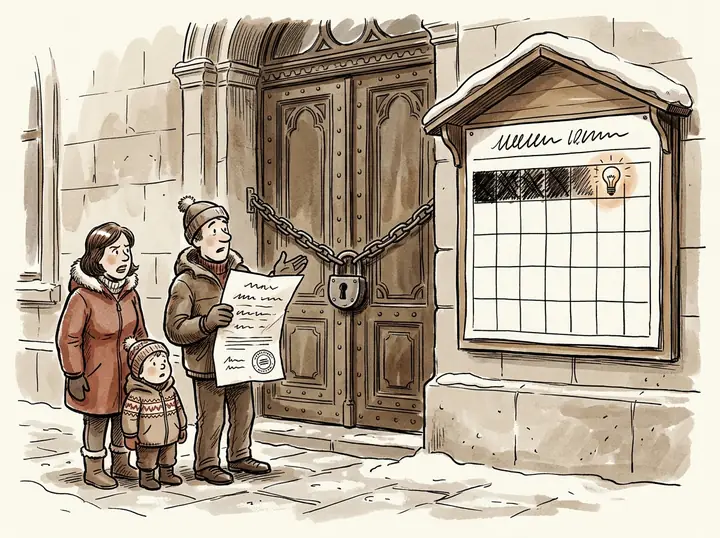
Norway’s Norgespris scheme fixes household electricity at 40 øre per kWh and saved families almost 4.5 billion kroner against spot prices in the third quarter. Current agreements expire on 31 December and do not renew automatically; sign-ups for 2027 open on Tuesday, 5 January. Energy Minister Terje Aasland credits it with “more predictable electricity bills.” The scheme for predictable bills begins its year with four days nobody can predict.
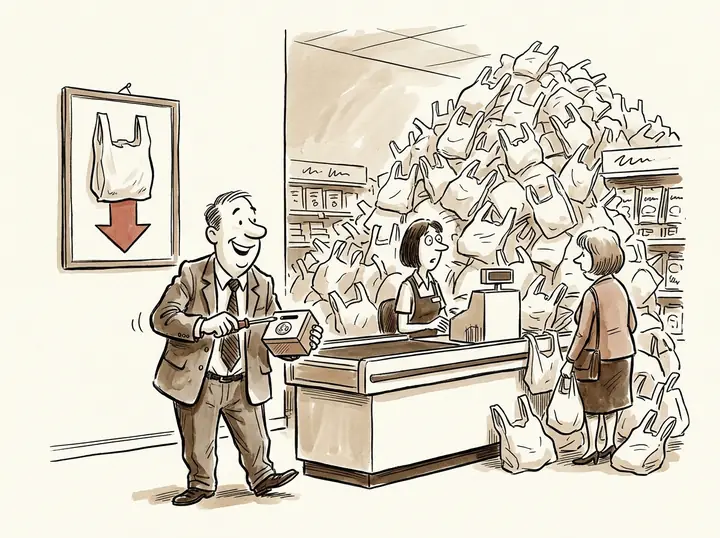
Sweden abolished its plastic bag tax in November 2024. In 2025 shoppers used 248 million of the carrier bags covered by the national reduction target, a 45 percent rise on 2023, the clean-up group Håll Sverige Rent reports. Sweden still keeps its target for reducing plastic bags; it has removed only the part that reduced them.
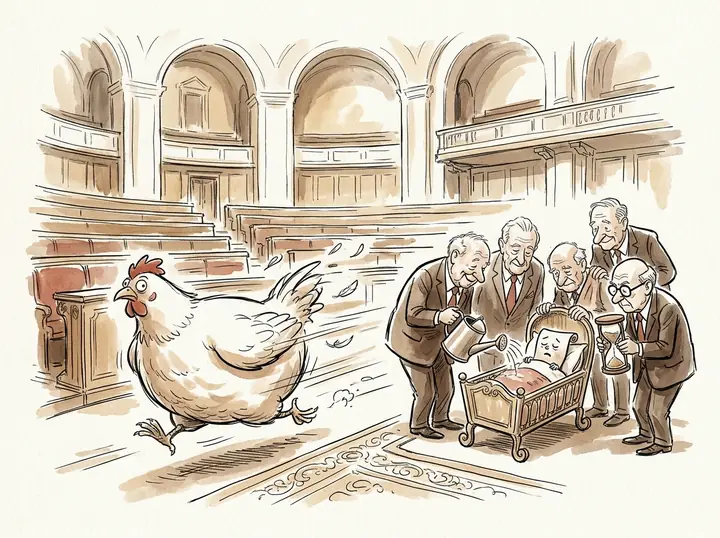
Denmark’s parliament now has a broad majority for banning turbo chickens, whose most popular breed grows from about 50 grams to 2 kilograms in 33 days. The minister says he wants to “work towards a national ban,” with no start date given. A similar proposal failed in 2024. The ban has since spent two years on the slow-growth plan the chickens were denied.
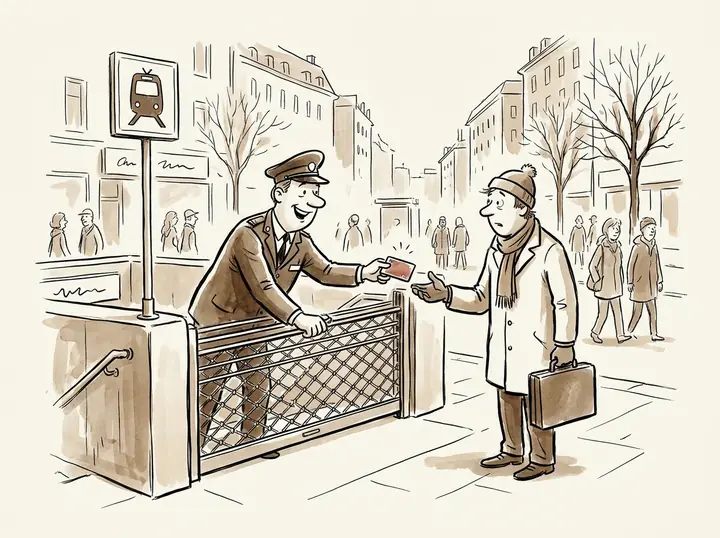
Oslo’s zone 1 monthly transport pass falls from 655 to 495 kroner on 1 November, The Local reports, though whether the price survives into 2027 depends on Norway’s budget talks. From 19 to 22 November, 63 of the city’s 101 metro stations close while Sporveien tests a new signalling system, and Ruter asks residents to avoid travel where possible. For four days the cheapest pass in years comes with a polite request not to use it.
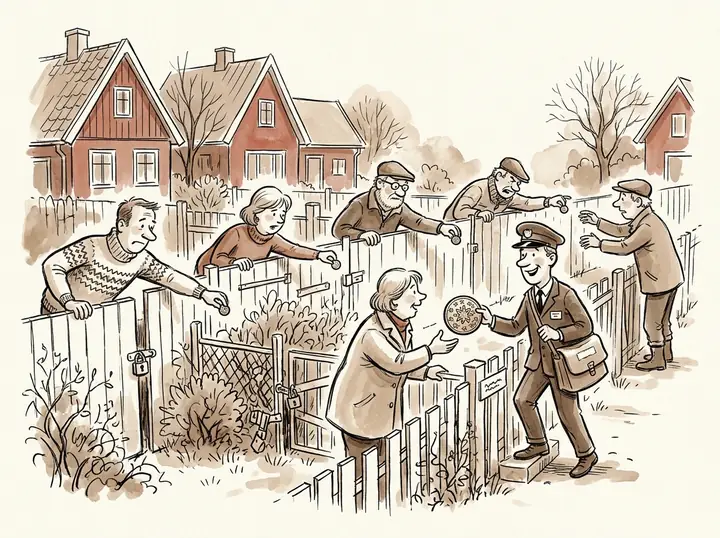
Denmark’s central bank and its Nordic counterparts find that payments between their countries are still slow and costly, The Local reports, and that sending euros is often cheaper, because EU rules cap fees on euro transactions. “The Nordic economies are tightly linked, but that is not sufficiently reflected in cross-border payments,” said Ulrik Nødgaard of Danmarks Nationalbank. The cheapest way to pay a Nordic neighbour is in a currency four of the five have declined.
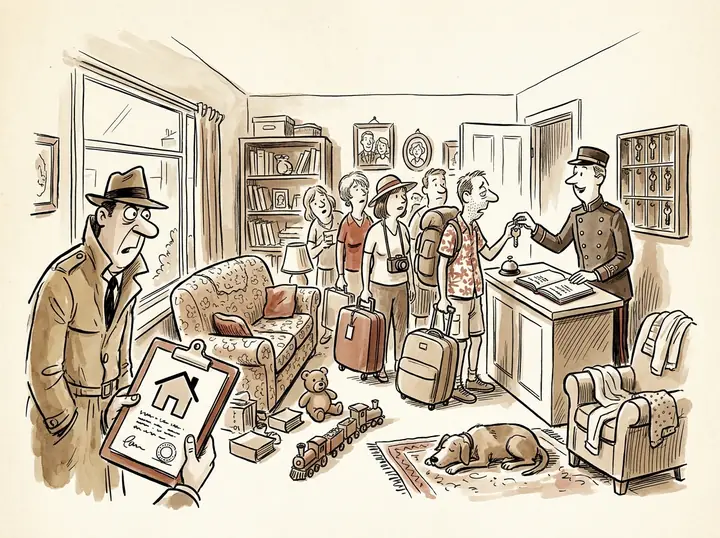
Norway’s business daily E24 has found 65 properties in Oslo, Bergen, Stavanger and Tromsø, mainly owned by companies, linked to more than 300 Airbnb listings and run as short-term rentals or apartment hotels while holding only residential permits, The Local reports. Tromsø’s council is setting up a task force. Norway has acquired a hotel chain of more than 300 listings, every one of them, on paper, somebody’s home.
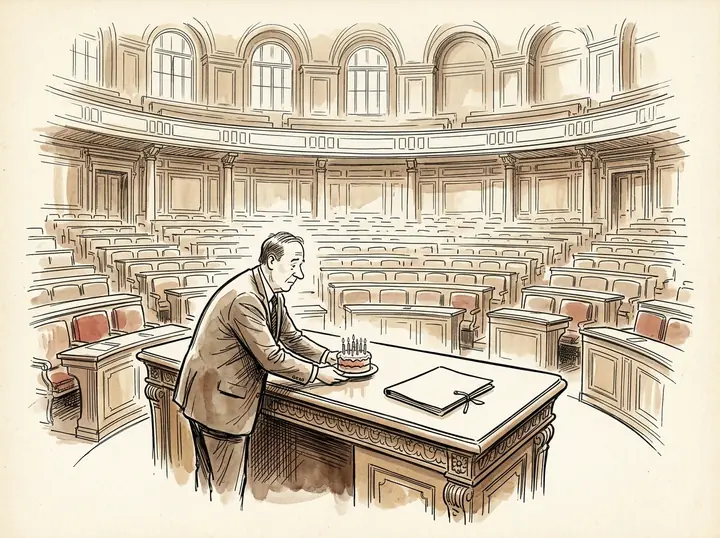
Sweden still has no new prime minister, so outgoing Finance Minister Elisabeth Svantesson will present a caretaker budget with no election pledges and no new spending, with two exceptions, The Local reports: more for the Armed Forces, and 4 million kronor for Crown Princess Victoria’s 50th birthday celebrations. “She only turns 50 once, and that’s next year,” Svantesson said. Stockholm cannot yet say who will govern next year, only who will be fifty.
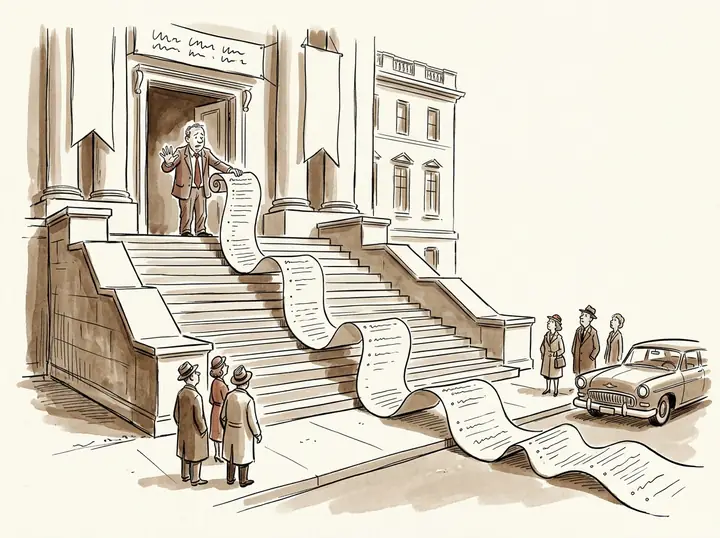
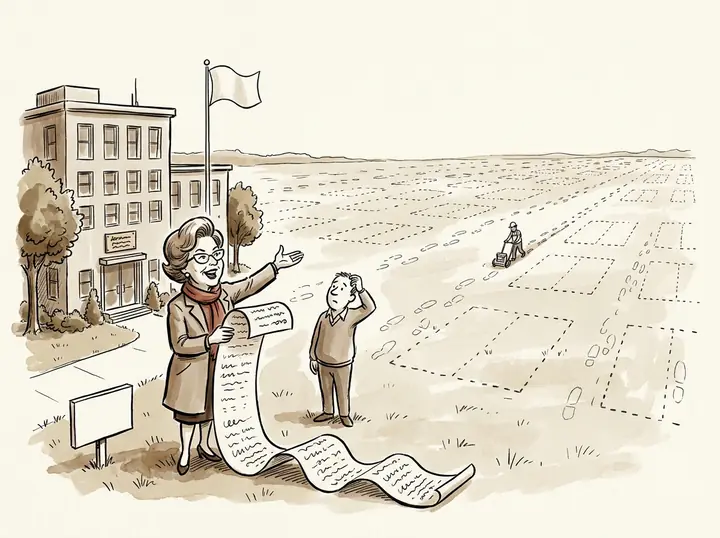
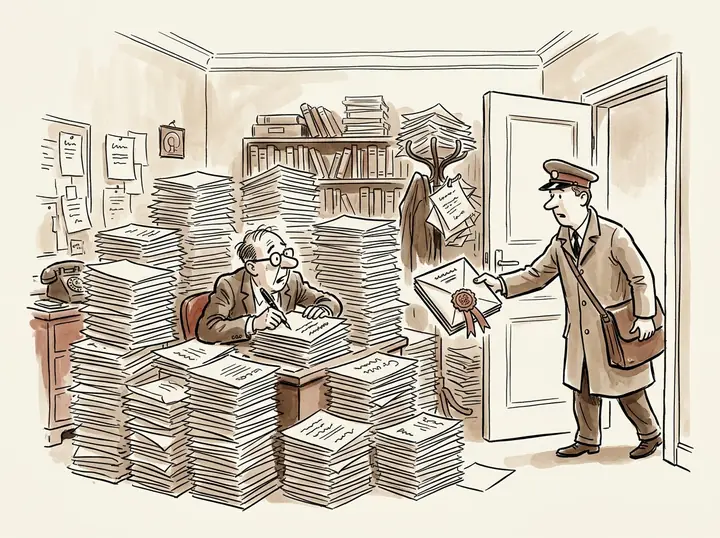
Finland’s Ministry of Finance has published about 400 ways to mend public finances for the parties that form a government after April’s election, from abolishing child benefits to cutting ministries from 12 to nine, Yle reports. Its press release says the list is “not a recommendation of the Ministry of Finance or a proposal for what measures to implement.” The ministry has made about 400 proposals, none of which, it stresses, is a proposal.
Ten Norwegian media groups, NRK among them, have asked Oslo District Court to block Meta’s new terms for business accounts, which would let it collect their articles, photos and videos, paywalled ones included, for AI products, Euronews reports. The only way to opt out is to delete the account. Meta has postponed the launch “to explain to our partners and stakeholders what’s changing and what’s not.” Among what’s not: the opt-out, which is still the delete button.
Iceland’s National Audit Office says the University of Akureyri ended merger talks with Bifröst University on its own, citing their different legal forms, without consulting the ministry that should have led them. The same audit counts 143 government institutions, more than a quarter with 20 positions or fewer, and asks the government to find ways to strengthen the small ones. Two of the small ones had found a way, and one of them walked out.
Finland’s Finns Party has unveiled about €8 billion in cuts for the next parliamentary term, its way of meeting the debt brake most parties agreed earlier this year. One line abolishes the National Agency for Education, saving €10 million. That is one eight-hundredth of the target. At that rate, Finland would need eight hundred education agencies, and it has only the one.
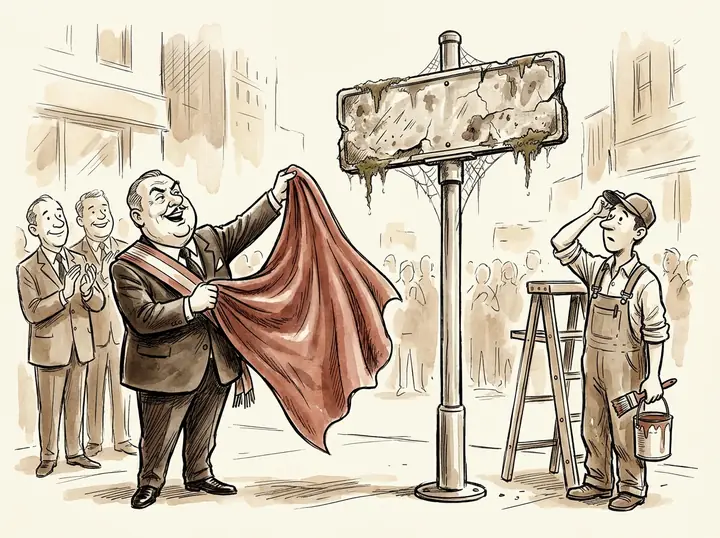
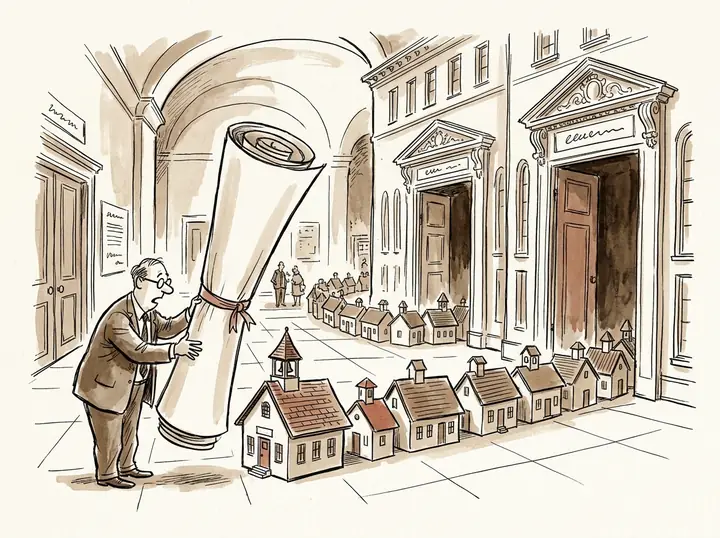
Oslo City Council has adopted names for the capital’s eight new districts, which come into use from 2028. The Greens and the Red Party proposed numbers instead, and at the Red Party’s request the County Governor will examine whether the decision was lawful. The list includes Gamle Aker and Gamle Oslo, gamle being Norwegian for old. Two of Oslo’s eight new districts are called Old.
Denmark has banned mink production from 7 August 2027, with a transition until 7 August 2029, The Local reports. Minister Christian Rabjerg Madsen explained that “an industry should not continue just because it has existed for a long time.” Under that principle, the industry has been granted almost three more years in which to exist for a long time.
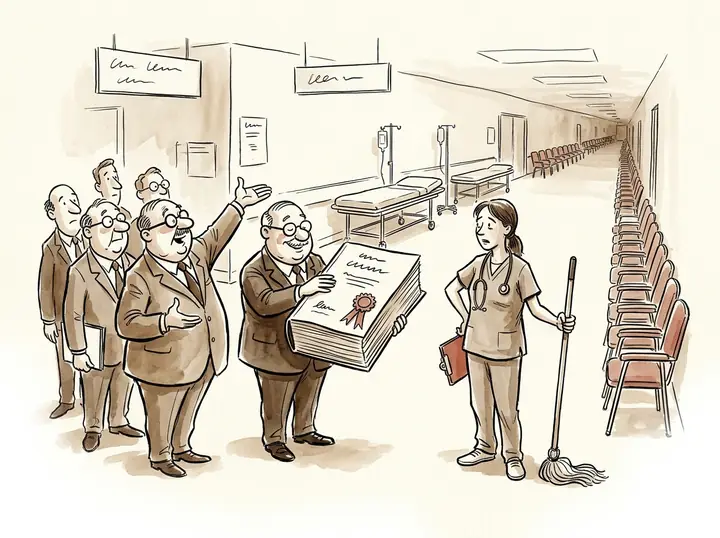
Immigrants are 27.3% of Norway’s healthcare assistants, Statistics Norway’s figures show, The Local reports, with a projected shortfall of about 42,400 full-time posts by 2040. The labour ministry warns that heavy reliance on foreign labour leaves public services “more vulnerable during international crises or war.” A government commission advises against relying on international staff, advice the sector would need about 42,400 extra people to follow.
Iceland’s education ministry will give municipalities and compulsory schools their own PISA 2025 results on request, Iceland Review reports, though it sets no delivery date. The ministry cautions that PISA is “designed to describe national performance,” and only two compulsory schools met the size criterion for its earlier municipal comparison. Every school may now ask for its score; two are big enough to read it.
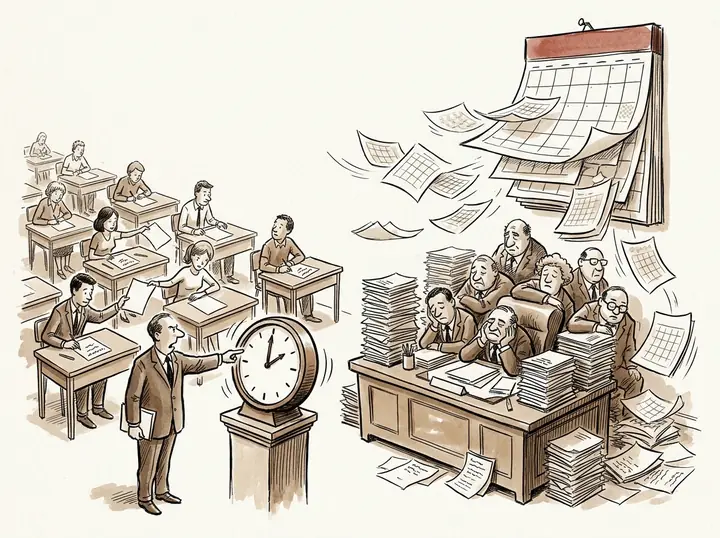
Sweden’s first citizenship test, sat on 15 August, has been marked: about 80 percent of the 875 candidates passed, The Local reports. They had 90 minutes for 60 multiple-choice questions. The Council for Higher Education took over two months for the results and has asked to postpone the language test from 2027 to 2029. The time limit applied to one side of the desk.
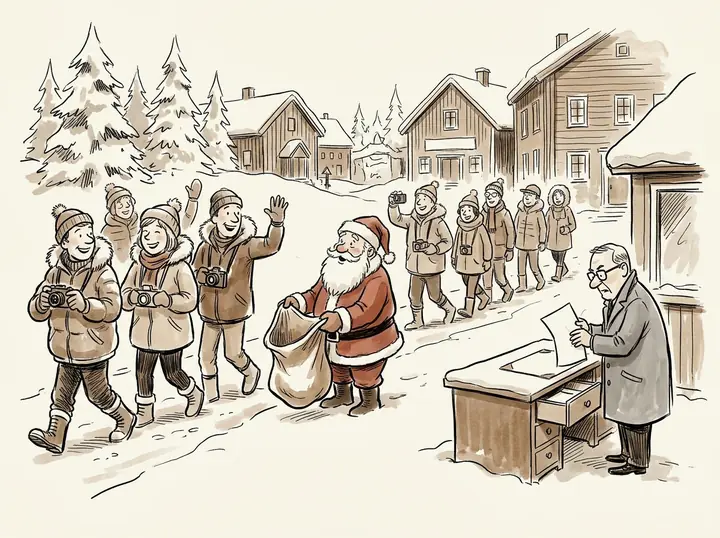
Finland’s tourist tax, aimed mainly at Lapland destinations such as Rovaniemi, will not reach parliament this term because the coalition parties could not agree, Finance Minister Riikka Purra said, Yle reports. The ministry had said it could raise “millions of euros in tax revenue.” In Santa’s self-styled home town, the presents will keep going in one direction only.
Norway says its planned under-16 social media ban, to reach parliament this year, will also cover potentially harmful games and messaging services, with tech companies verifying users’ ages. The children’s minister, Lene Vågslid, says the government is also protecting children’s “right to participate”, without explaining how. The right to participate survives, provided it can show identification.
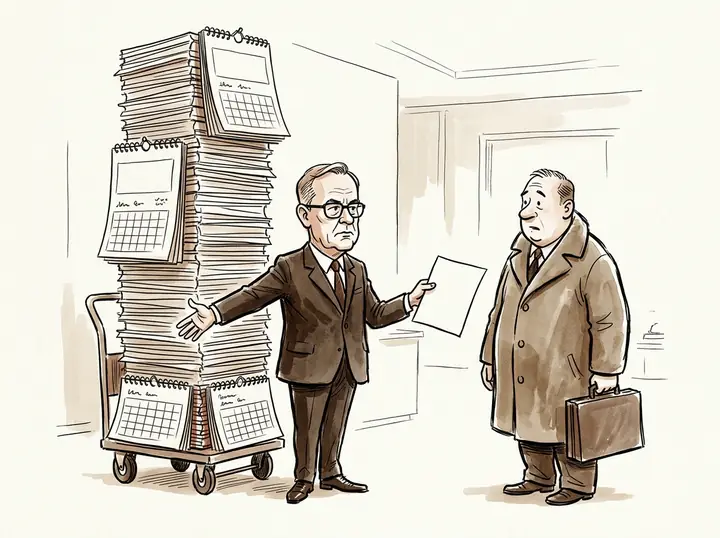
The European Commission has sent Denmark a reasoned opinion, the second step of an infringement case, for failing to notify that it has transposed Directive 2024/2839. The directive reduces reporting requirements. Denmark is now expected to explain, in writing, why it has not yet written less.
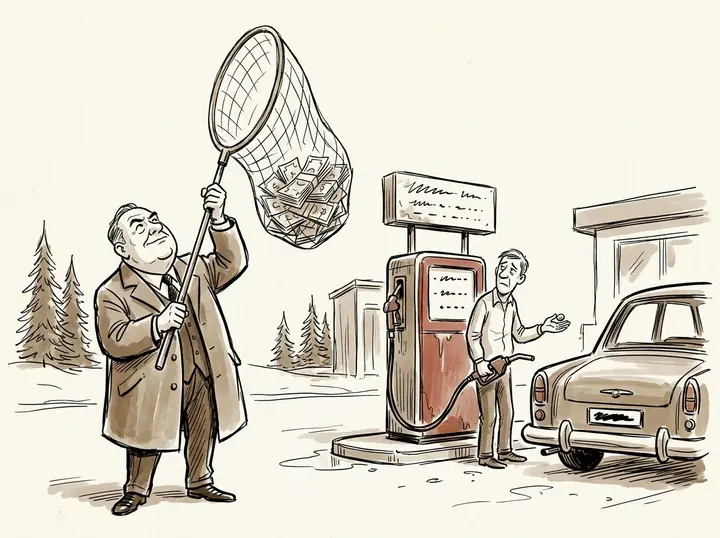
Finland’s government has agreed a €60 million package to ease fuel prices, which its climate minister admits will do little at the pump. Its vehicle-tax cut, by one chamber of commerce estimate, saves eligible motorists about €12 a year. Forty million euros comes from unused funding for biogenic carbon capture. The carbon was never captured, so the government has captured the money.
Greenland’s parliament has unanimously asked the government to draft a law banning deep-sea mining and exploration through at least 2029, which WWF Greenland called an “important step in the right direction.” Fisheries drive the economy, and the minerals below them stay where they are. The government may extend the moratorium in two-year increments. The seabed has won a permanent reprieve, renewable every two years.
Iceland has a bill to replace its 2012 climate law. If the country is off track, the government must cost the shortfall, report it in the state accounts and propose stronger measures. It also orders a review, before the end of 2027, of how the 2040 carbon-neutrality goal is defined. The shortfall gets a line in the accounts before the goal gets a definition.
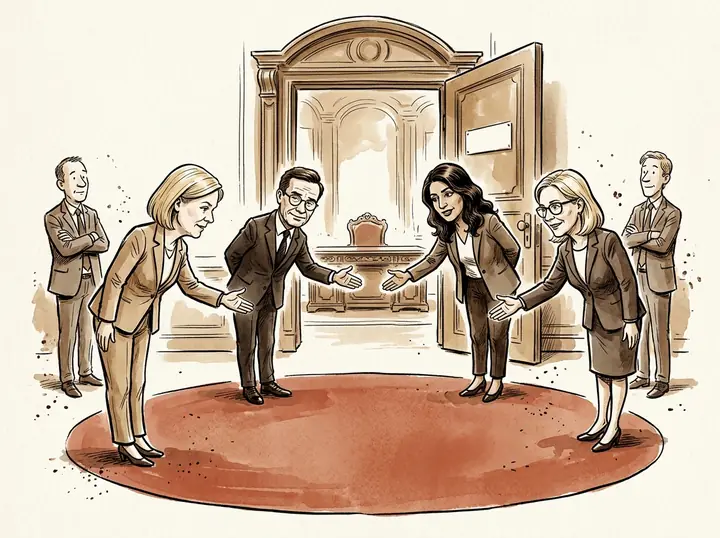
Sweden has no new government 34 days after its election. Magdalena Andersson wants Ulf Kristersson to try next; Kristersson says the centre-left has the majority; the Left Party’s Nooshi Dadgostar wants the Centre Party’s Elisabeth Thand Ringqvist to try; Thand Ringqvist wants Kristersson. Every leader in Stockholm has a nominee for prime minister, and every nominee is somebody else.
Denmark’s Mette Frederiksen spent the EU summit accusing Spain, which plans to regularise about 600,000 undocumented migrants, of doing “almost the exact opposite” of other EU countries. Denmark was among the most active in seeking changes to the conclusions, tabling what one diplomat called “outlandish amendments.” Consensus, in Copenhagen’s version, is everyone else agreeing with Copenhagen.
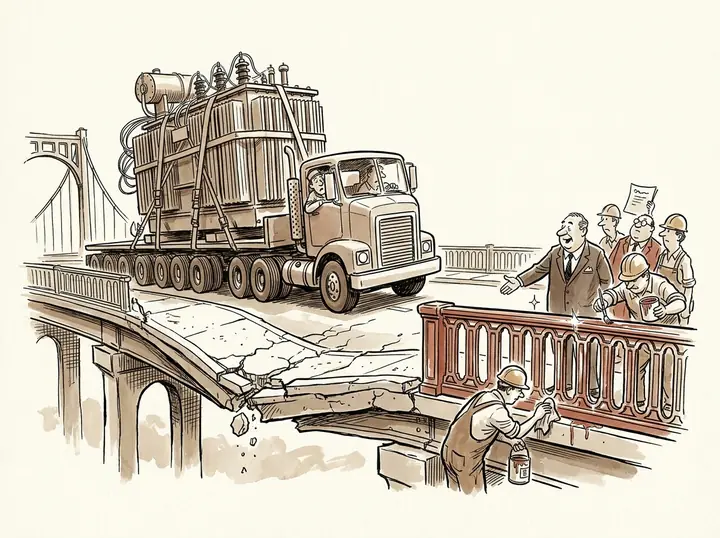
A 100-tonne truck carrying a 60-tonne transformer to Norway has finally left Strömsund Bridge, where it had been stuck since the deck lifted and broke beneath it on 29 September. The 1950s bridge was renovated until 2025, but not the parts that failed. The renovation was thorough everywhere the truck did not go.
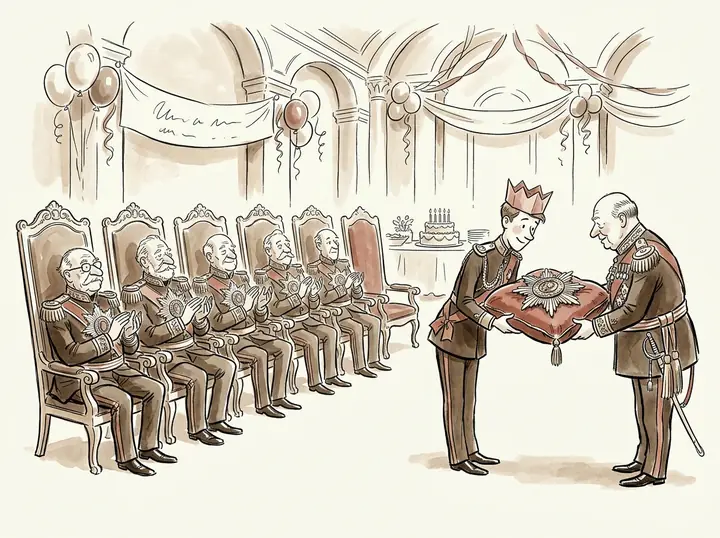
On the crown prince’s 21st birthday, Denmark’s king made him a Grand Commander of the Order of the Dannebrog, the monarchy’s highest order, held for life. Only eight exist, and seven Grand Commanders are now alive. The kingdom’s most exclusive honour is open to all, provided the applicant was born for it.
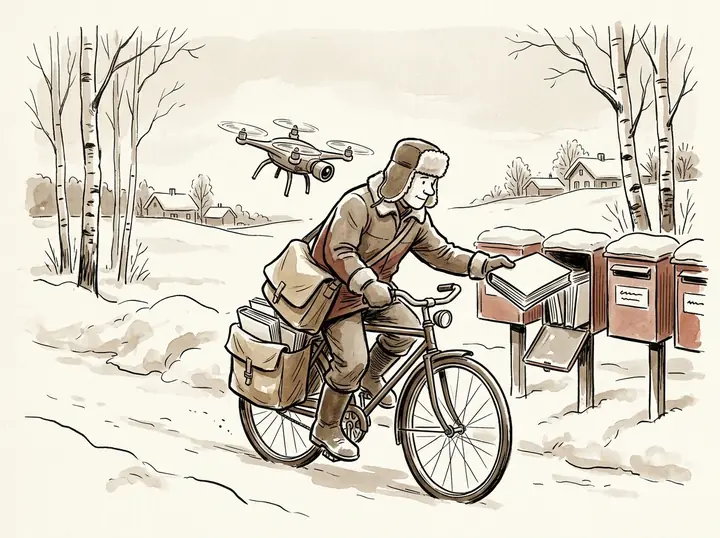
Finland’s Interior Ministry will print and post about 3.5 million emergency preparedness guides in January, at roughly 2 million euros, because advice online alone is not enough. It includes guidance on drones and remains guidance, not a requirement. “The aim is for everyone to be able to read it from cover to cover.” The plan for when the internet fails begins, sensibly, with the post.
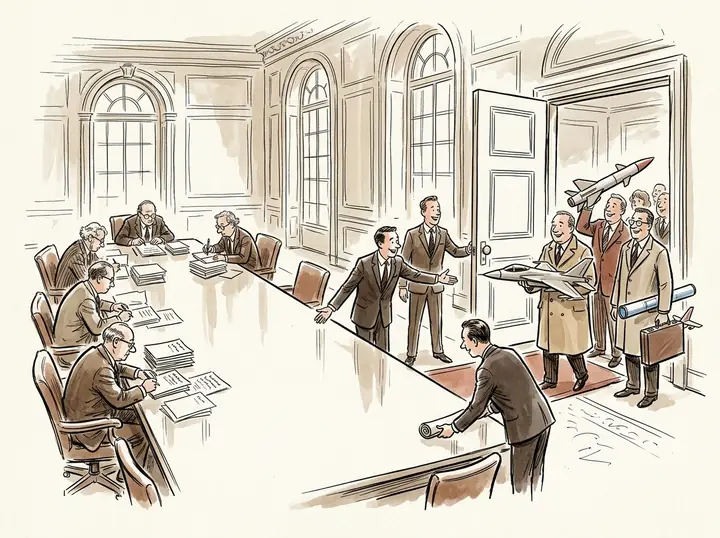
A government commission says Norway’s $2.3 trillion wealth fund should be allowed back into Western arms makers it excluded over nuclear weapons, among them Airbus, Boeing and BAE Systems. Its Council on Ethics would still analyse breaches but stop recommending sales. “It will continue to be ethical,” the finance minister said, “but it’s a question of how we are ethical in a changing world.” The ethics stay. Their job is now to watch.
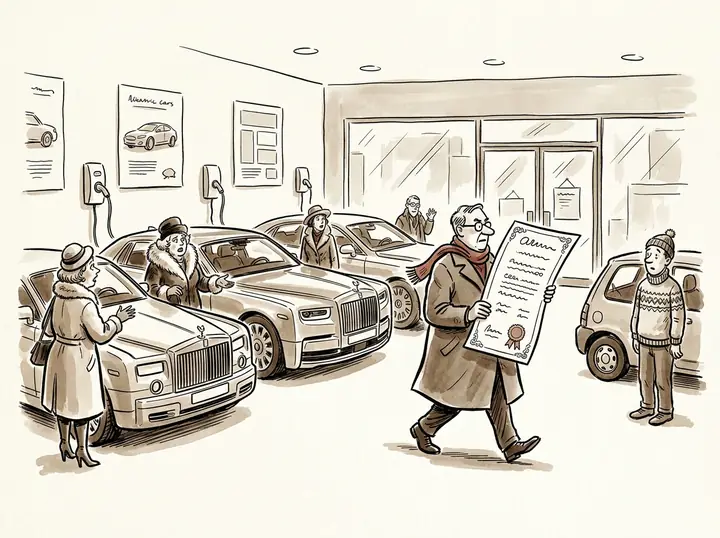
Iceland is cutting its electric car grant from ISK 500,000 to ISK 400,000 on 1 November and lowering the maximum eligible price from ISK 10 million to ISK 8 million, because past grants “have largely benefited higher-income groups.” After years of payments, the subsidy has discovered who buys new cars.
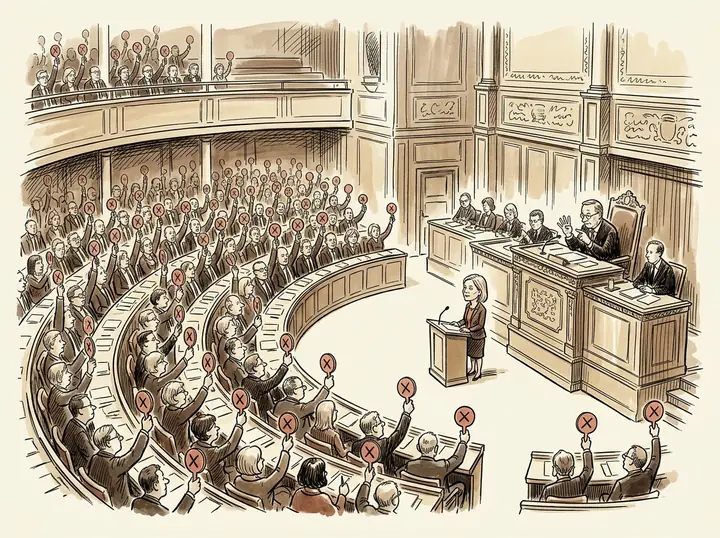
Sweden’s parliament rejected Magdalena Andersson as prime minister by 248 votes to 99; every member voted no except her own Social Democrats and two absentees. The speaker may nominate up to four times before a snap election. The Left Party, a support party for decades, announced that “those days are now over.” Swedish consensus survives intact: 248 people agreed completely.
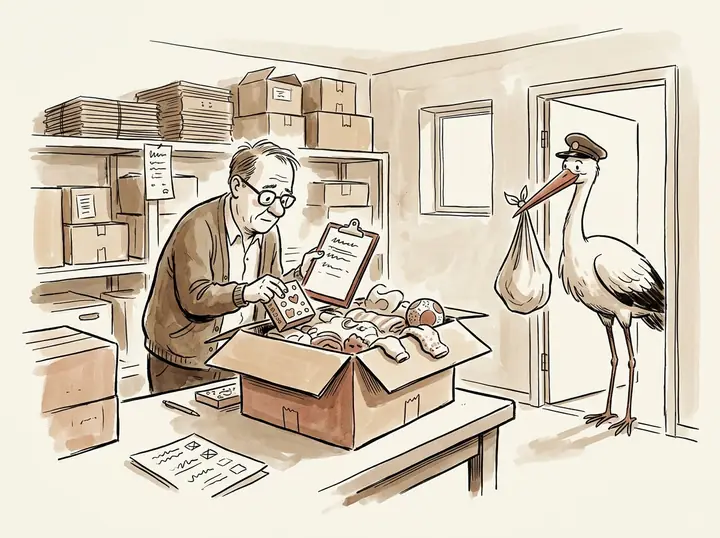
Finland’s state baby box now holds 52 items, up from 38, after the maternity grant rose from 170 to 210 euros. New this year is a soft ball, promised in the government programme’s physical activity initiative. Condoms and lubricant are back after a year away. The welfare state thinks ahead: the box now plans for the next box.
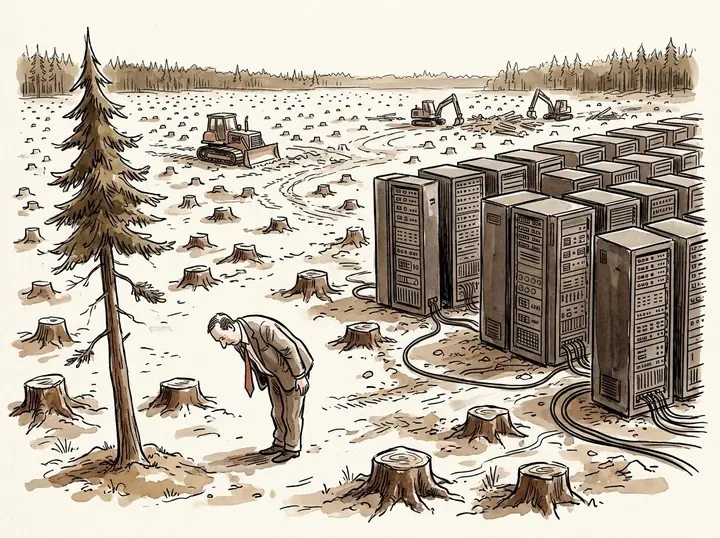
Google cleared about 330 hectares of forest in Muhos and nearly 200 in Kajaani for data centres, and a state agency ordered the work suspended; campaigners say no environmental assessments were done. A month after Google announced a 13 billion euro investment in Finland, its country manager said, “I am extremely sorry.” He declined to name the authorities Google believed it had told. The trees received the apology.
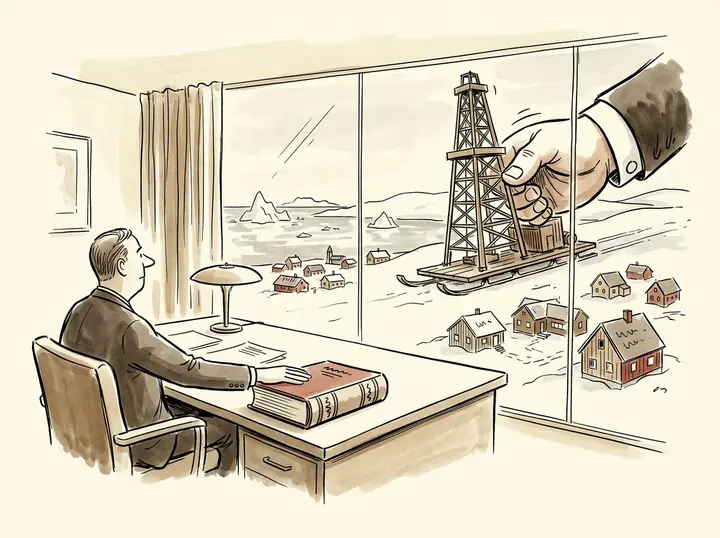
Donald Trump posted that “Massive Oil, Gas, and Mineral Exploration is getting ready to begin” in Greenland, which banned new oil exploration in 2021. The security deal signed in September grants no drilling or mining rights, and the one Texas firm planning to drill in 2027 has no permit. Greenland’s government declined to comment. Its law already had.
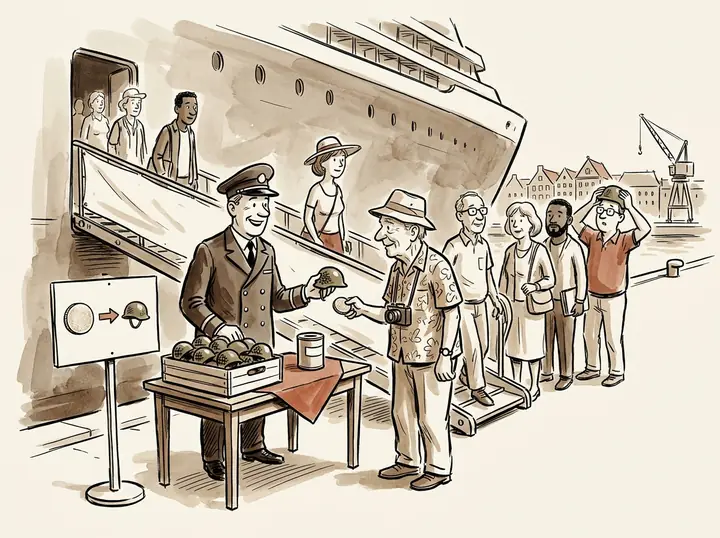
Denmark’s 2027 budget proposal is titled “A stronger defence of Denmark, a strengthened Denmark to defend” and declares the country “in top shape.” It aims to lift defence spending to 3.5 percent of output by 2030, keeps a 2 billion kroner reserve for other parties’ wishes, and adds a 200 kroner levy on every cruise passenger from 2028. The tourists have been enlisted, at 200 kroner a head.