The bloc that would remake the world order, one joint statement at a time: summits, the bank, the currency that is always nearly ready.
Monday, November 2, 2026
New Delhi
The Only Common Currency
A report from the policy platform BRICS+ Thinking, co-written by Jim O’Neill, the former Goldman Sachs economist who coined the term BRICS, urges the bloc to build a shared payments system before any currency, BW Businessworld reports. “The initial prognosis for the possibility of a BRICS+ currency is not hopeful,” the authors write. India and Russia have already downplayed the idea. The acronym remains the only thing every member accepts.
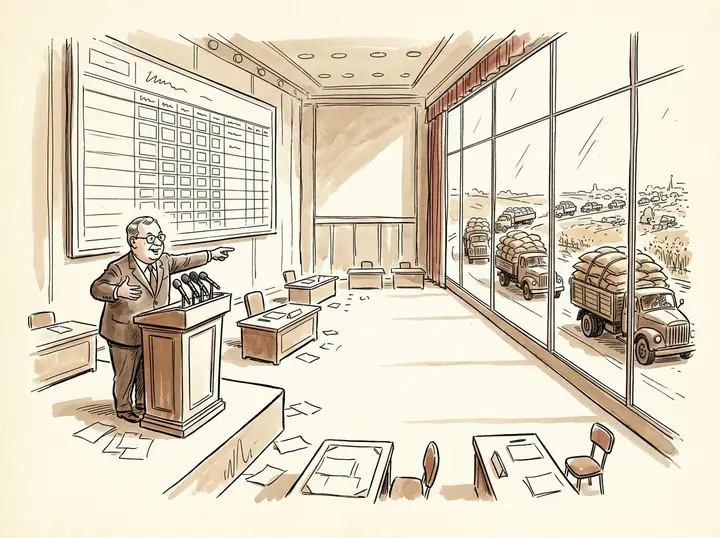
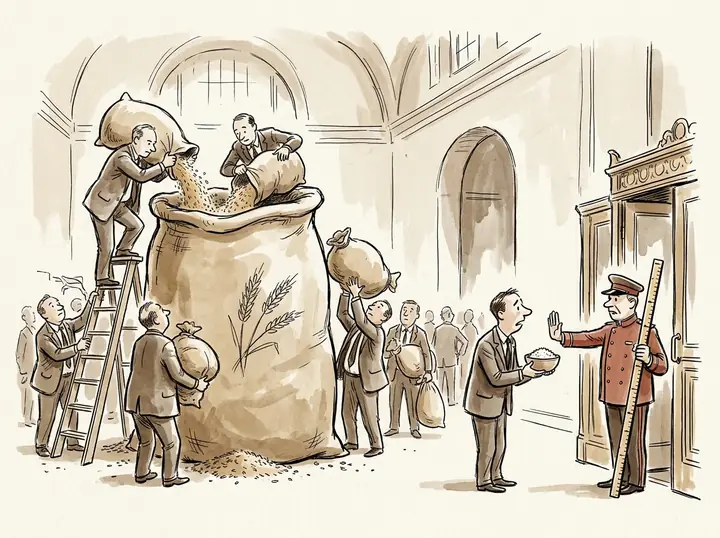
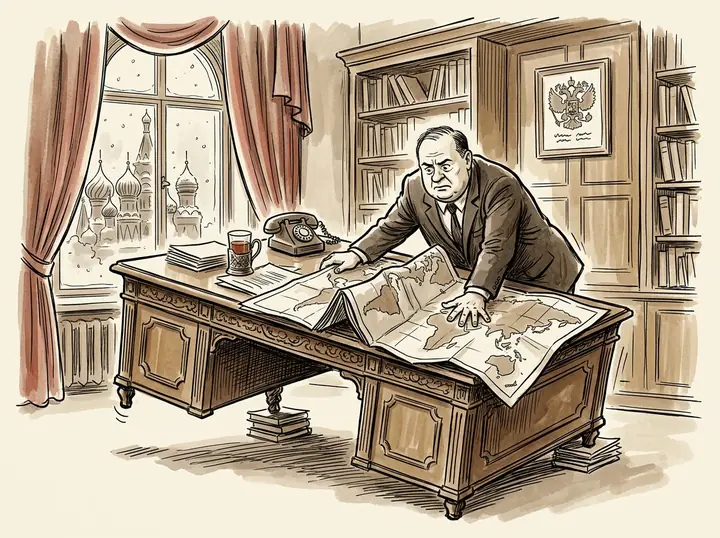
At a BRICS session in Moscow this week, Russia’s economy minister Maksim Reshetnikov said that “recently, BRICS has been becoming a more operational group,” African Times reports. Among the instruments he described as still in development was a grain exchange, which the bloc endorsed at Kazan in 2024. Since then two harvests have gone to market without waiting for it.
The BRICS lender in Shanghai, the New Development Bank, raised its local-currency lending from 24.2% of annual approvals in 2024 to 45.9% in 2025, two academics write in Diplomatist. India, which chairs the bloc this year and hosted its summit on local-currency trade, settles about 2% of its exports in rupees. The bank now uses its owners’ money more readily than its chair does.
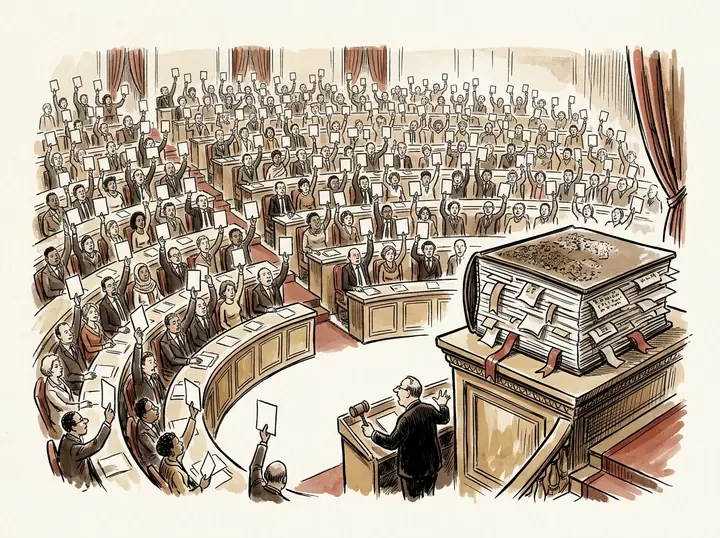
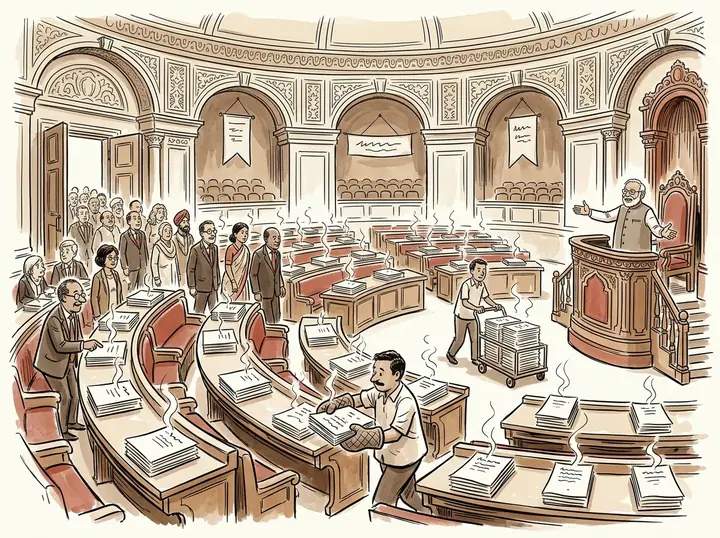
The BRICS Parliamentary Forum closed in New Delhi on Tuesday with its joint declaration, The Hans India reports. The parliaments endorsed Security Council reform by citing Paragraph 13 of the New Delhi Declaration their leaders signed in September, condemned cross-border terrorism by citing Paragraph 40, and unanimously supported India’s chairship. The legislatures met for two days, amended nothing and approved their governments by paragraph number.
Mohammad Bagher Qalibaf, speaker of Iran’s parliament, will not attend the twelfth BRICS Parliamentary Forum, now meeting in the Indian capital, UNI reports; Iran’s embassy cited “unforeseen circumstances” and said a delegation would go in his place. The embassy added that Iran “remains committed to active participation in BRICS meetings.” Iran is committed to active participation, and has delegated it.
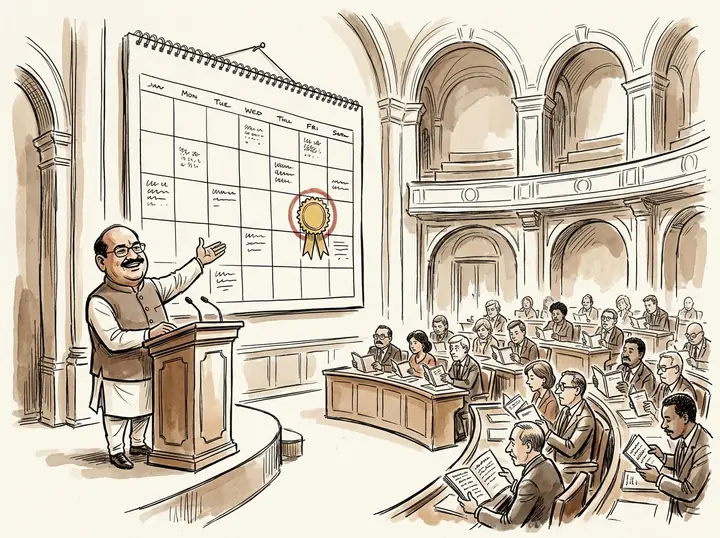
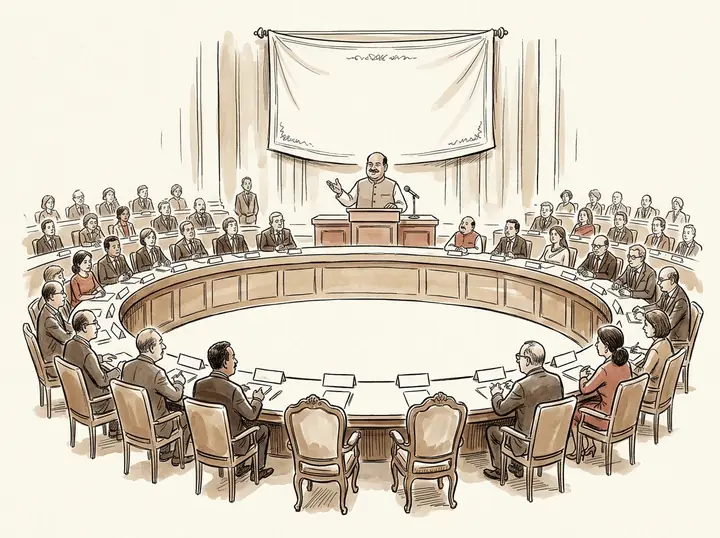
Om Birla, Speaker of India’s lower house, opened the twelfth gathering of BRICS parliaments in the capital today, before delegations from 21 countries, eleven members and ten partners. The forum’s success, he said, should be judged by its outcomes. Its outcome, a joint statement, is on Tuesday’s programme, just before the chair passes to China. Few forums know in advance the day on which they will have succeeded.
India opens this year’s gathering of BRICS parliaments on Monday in the Central Hall of Samvidhan Sadan, under the theme “Strengthening Parliaments for People-Centric Development.” Suggestions for the Joint Statement came from 18 countries, and the delegations’ secretaries met on Sunday to finalise it. The parliaments convene on Monday to adopt what their secretaries finished on Sunday.
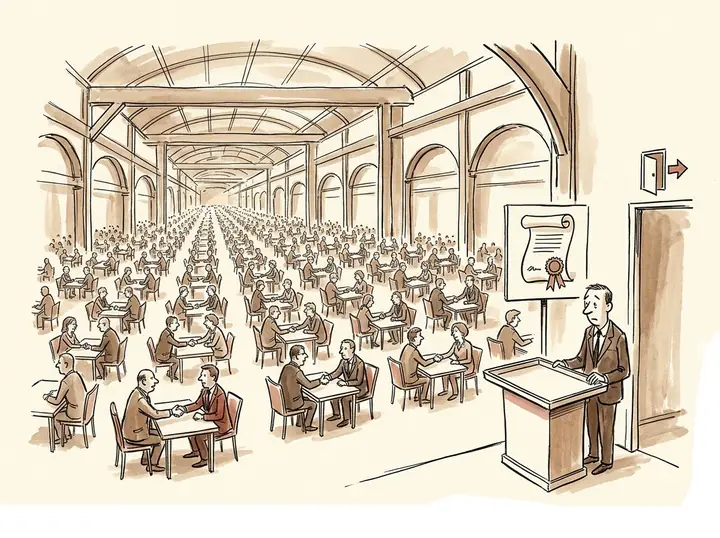
China’s Shandong province held its third “Dialogue with BRICS” trade and investment conference in Jinan this week: over 100 delegates from 30 countries and regions and more than 500 one-on-one matchmaking meetings, according to the organisers’ release. The release reports no signed deals. Five hundred introductions, no weddings: Shandong has perfected the first date.
BRICS backed its proposed grain exchange again in the New Delhi Declaration; members grow an estimated 44% of the world’s grain, Business Standard reports. India’s own role would be limited, experts say, because rice is not included in the global definition of grains. One concluded the exchange is “unlikely” to “see the light of day.” India chaired the summit that endorsed it, and its staple is not on the list.
India’s Lok Sabha Speaker Om Birla says most countries have confirmed for the bloc’s twelfth parliamentary forum, in New Delhi on 26 and 27 October, ThePrint reports, but “Saudi Arabia and Ethiopia are not coming.” One of its four sessions covers cooperation for “a more representative global governance architecture.” That session will be held with two of the bloc’s chairs empty.
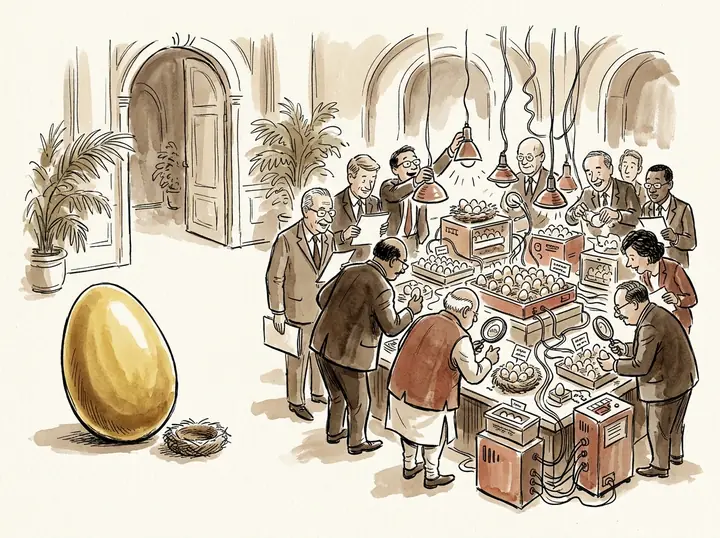
The BRICS New Investment Platform, first discussed at Kazan in October 2024, still has no launch date, IOL reports; the New Delhi Declaration commits members only to more technical-level work. The one tool launched so far, Invest Navigator, is an interactive map of the bloc’s special economic zones. Two years on, the platform for moving money has produced a map of where it might go.
Twenty-five years after Goldman Sachs paper No. 66 named Brazil, Russia, India and China, its author, Jim O’Neill, says the bloc “has become utterly dependent on the ‘ICs’”. Since 2000, income per head has grown 554% in China and 246% in India. He has now founded a London think tank, BRICS+ Thinking, which keeps every letter and adds a plus.
At twenty, BRICS “is not simply a dialogue platform for member countries but a genuine mechanism for coordinating positions”, Andrey Denisov, chair of the Russian Federation Council’s foreign affairs committee, said at an anniversary discussion reported by TV BRICS. The same week, China backed Malaysia’s bid for full membership. Twenty years in, the mechanism’s main output is more positions to coordinate.
India’s September BRICS summit in New Delhi, with Egypt, Ethiopia and Indonesia now at the table, promoted linking payment systems and trading in local currencies, Fair Observer recounts, but no formal launch of BRICS Pay was announced. In August the dollar still accounted for 89% of foreign exchange transactions. The bloc’s own currency remains the declaration, issued once a year and accepted only at summits.
The New Development Bank, the BRICS bloc’s lender, priced its first bond in Macao in June: a three-year Lotus bond of USD 50 million, paying SOFR, the dollar’s overnight benchmark, plus 30 basis points. The bank called it a milestone in its efforts “to diversify its funding sources.” Diversified in every respect but the currency.
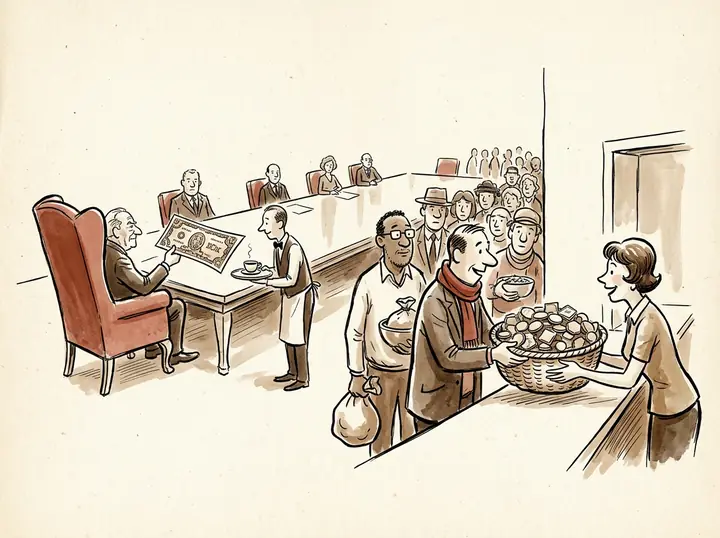
At its September board meeting in Shanghai, the BRICS bloc’s New Development Bank approved up to USD 200 million for a bulk water scheme in South Africa’s Limpopo and up to USD 395 million for two elevated expressways in Hyderabad, built on top of existing roads. Both borrowers are founders and shareholders. The alternative to Western finance keeps the money at the family table.
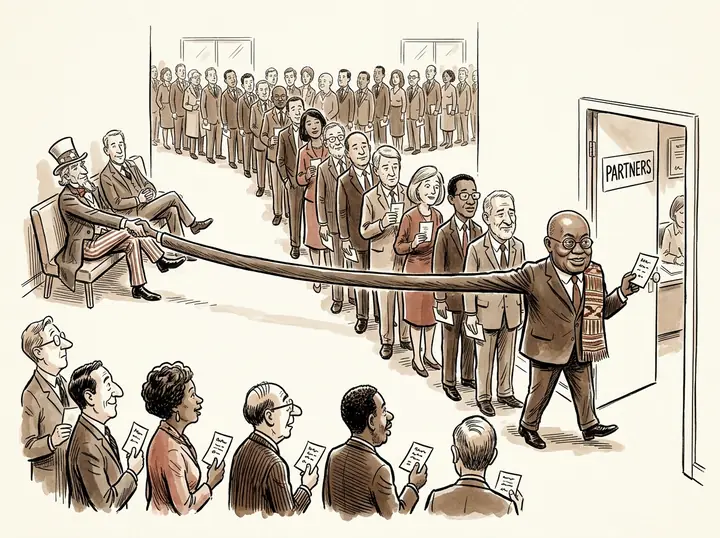
Ghana’s president says the application “reflects our determination to broaden our development partnerships”; about 40 countries have shown interest and 23 have formally applied. His foreign minister cautions that membership brings no automatic loans or seat at the bloc’s bank: “We are not going to walk away from our traditional partners.” Ghana is joining something while promising to leave nothing.
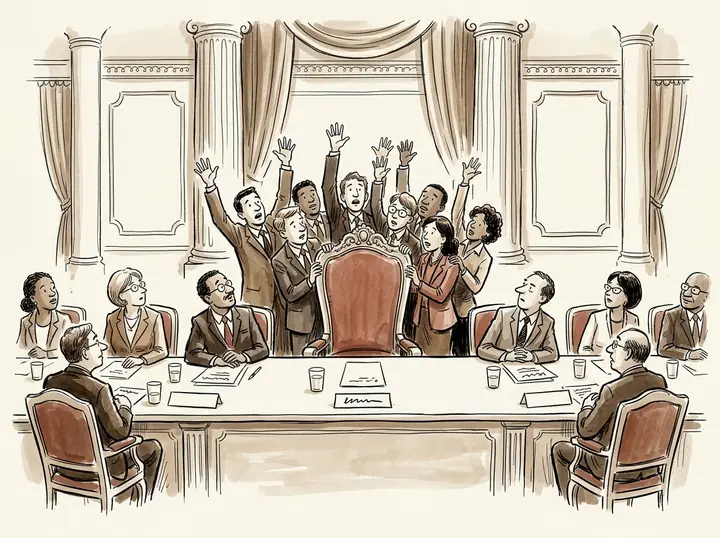
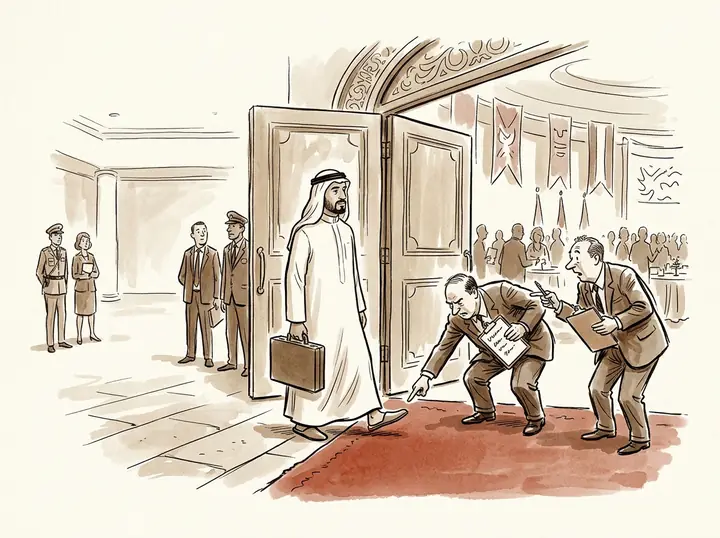
India’s government counts Saudi Arabia among the bloc’s 11 members. The Saudi Press Agency said its foreign minister attended the summit “as an invited country,” and the Kremlin’s list of delegation heads leaves the kingdom out entirely. A prediction market gives about 13 percent odds of a new member joining this year. The bloc cannot yet agree whether it already has one.
India will host the 12th BRICS Parliamentary Forum for three days from October 25, with the prime minister opening it on the 26th. Delegation secretaries will finalize the declaration or joint statement before the formal sessions begin. No theme has been announced. The legislators may debate freely; the outcome has already passed.
Russia’s deputy foreign minister called BRICS “a significant factor in stabilizing international relations,” praising its “unique atmosphere of open and mutually respectful dialogue.” His example was the first high-level contact between Tehran and Abu Dhabi since February. Stability, in this telling, is something other members achieve with each other.
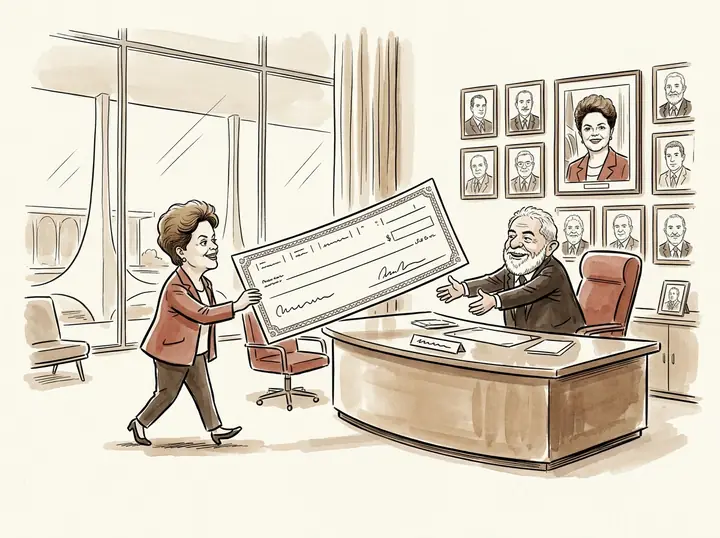
The New Development Bank has approved about R$23.95 billion for Brazil since its president, herself a former Brazilian president, took office in 2023; she expects some 20 member countries by mid-2027. “We respect the sovereignty of countries,” she said, and of Brazil’s current president: “A president who has this commitment makes our work easier.” The bank’s due diligence includes the old friendship.
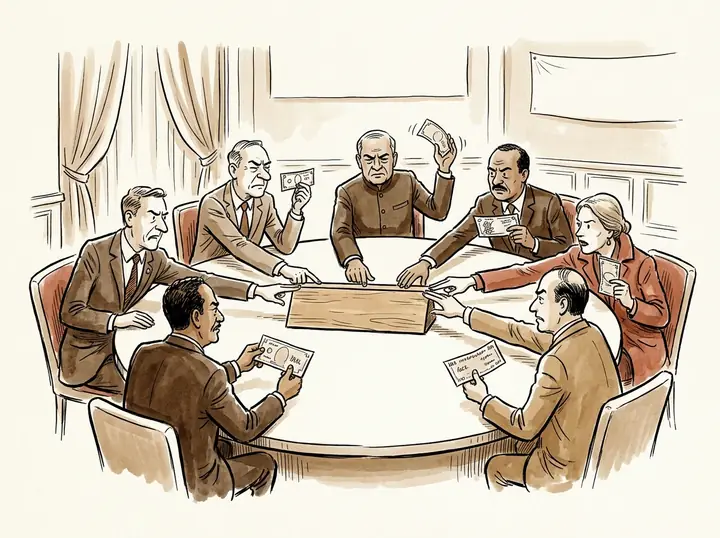
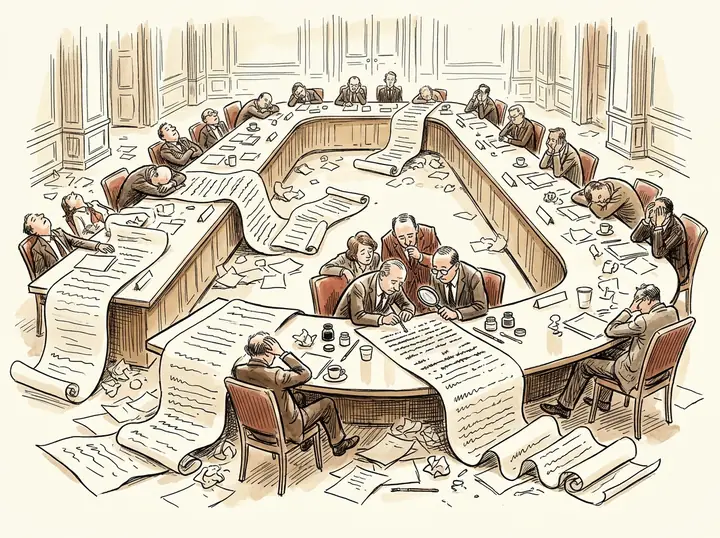
The New Delhi Declaration runs 140 paragraphs. Paragraph 28 addresses the dispute between Iran and the United Arab Emirates without naming Iran, the UAE, the United States or Israel, after nearly 100 hours of negotiation, by one account. The host also proposed a mechanism so that past, present and future chairs can track the timetables. A hundred hours, to agree on whom not to mention.
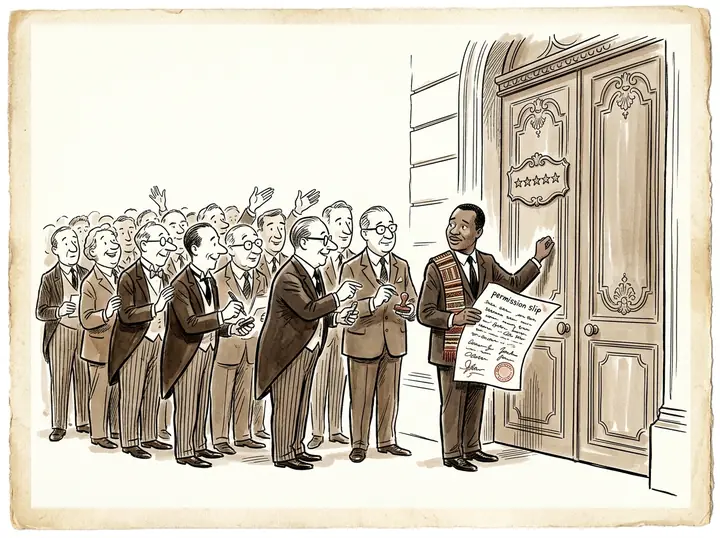
Ghana will apply to be a BRICS partner rather than a full member, its foreign minister said, after first consulting European Union member states about it. Washington still threatens an extra 10 percent tariff on countries aligned with BRICS “anti-American policies,” a term it has never defined. Accra has asked India for support. Joining a bloc is easier with references from the other one.
A Tokyo analysis notes the bloc “again declined to endorse a common currency” at its New Delhi summit, approving instead an Incubator Network, a Startup Innovation Fund, a grain exchange framework and two working groups on taxation and transfer pricing. It still has no permanent secretariat. The host’s rupee sat near a record low of about 97 to the dollar. Plenty of new institutions, and nowhere to keep them.
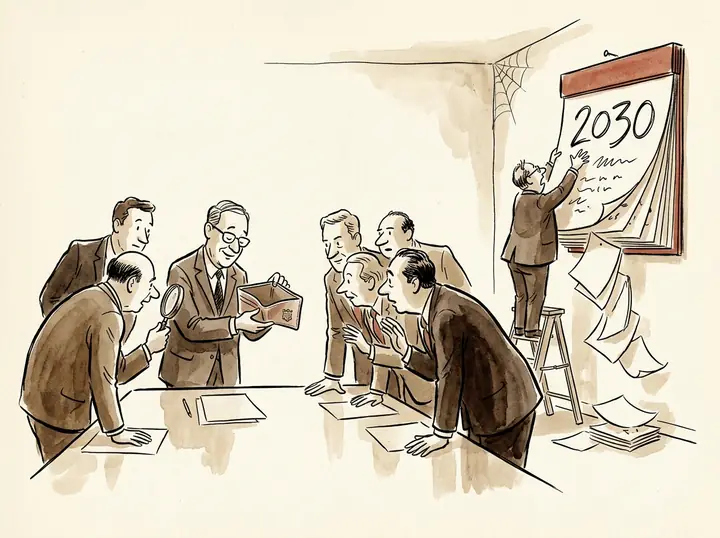
Members agreed to keep the BRICS Payment Task Force and “continue studying interoperability,” a forum chairman reported, with implementation aimed at “around 2030.” The first pilot linking India’s UPI with Russia’s Faster Payments System covers only consumers paying businesses. “BRICS Pay is just a name,” he said, adding: “We are not talking about de-dollarisation.” The name, at least, has cleared settlement.